 Hin
 En


Morning & Night Skin Care Routine: Dermatologist Tips & Online Treatment
Medically reviewed by Dr. Karma Patel, Dermatologist
⭐⭐⭐⭐⭐ 4.9 Rated | 15,000+ Online Dermatology Consultations Completed | Certified Dermatologists Available 24/7
Introduction
Your feed is full of 10-step routines, “skin cycling” videos and viral hacks, yet more people than ever are dealing with breakouts, irritation, dark spots and damaged skin barriers. The problem is rarely too little skincare. It is usually the wrong skincare, in the wrong order, for the wrong skin type.
Heat, humidity, pollution, air-conditioned rooms, long screen hours and disrupted sleep all stress your skin daily. A good skin care routine is now basic protection for your skin barrier, not a luxury.
This guide covers:
- A dermatologist-approved morning skin care routine and night skin care routine
- 15 skin care tips that work, including what to skip
- Routines for oily, dry, combination and sensitive skin
- The most common skin problems and when to see a dermatologist
- How to consult a dermatologist online at NeoDermatologist
Quick answer: A basic routine has four morning steps (cleanse, treat, moisturize, sunscreen) and three night steps (cleanse, treat, moisturize). Sunscreen in the morning and a gentle cleanse at night are the two steps that matter most. If a problem lasts more than 4 to 6 weeks, don’t keep experimenting. See a dermatologist.
Key Takeaways
- A simple, consistent routine beats a long, complicated one.
- Sunscreen is the most important anti-aging and anti-pigmentation product.
- Introduce one new active (retinol, acids, vitamin C) at a time, and patch test first.
- Social media trends are not medical advice. Many popular DIY hacks damage the skin barrier.
- Persistent acne, spreading rashes, intense itching and changing moles need a professional diagnosis.
- Online dermatology consultations let you get a diagnosis and treatment plan from home.
What Do Dermatologists Say About a Skin Care Routine?
Dermatologists consistently give the same core advice:
- Keep it simple. Cleanser, moisturizer and sunscreen cover the essentials for most people.
- Protect before you correct. Sunscreen and barrier care come before serums and treatments.
- Go slow with actives. Most irritation comes from using too many strong products too fast.
- Be consistent. Most treatments need 6 to 12 weeks to show results.
- Treat medical problems medically. Acne, eczema, fungal infections and pigmentation
Hi, I’m Dr. Karma Patel, a dermatologist specializing in skin health and evidence-based skincare. Through my daily consultations, I’ve seen how the wrong products and overly complicated skincare routines can sometimes worsen skin concerns. I believe that understanding the underlying skin condition and following the right treatment plan is far more effective than constantly adding new products to your routine.
As I often tell my patients, “Most patients come to me after trying too many products at once. Simplifying the skincare routine and treating the actual diagnosis usually works better than adding another serum.”
Morning Skin Care Routine: Step by Step
| Step | Product | Why it matters | What to look for |
| 1 | Gentle cleanser | Removes overnight oil and sweat | Mild, pH-balanced, sulfate-free |
| 2 | Antioxidant serum (vitamin C) | Defends against pollution and UV-related damage, helps with dullness | Stable vitamin C formulas |
| 3 | Moisturizer | Supports the skin barrier | Gel for oily skin, cream for dry skin |
| 4 | Sunscreen (SPF 30+) | Prevents tanning, pigmentation and premature aging | Broad-spectrum, water-resistant |
Morning Routine Tips
- Use enough sunscreen. A common guide is about two finger-lengths for the face and neck.
- Reapply every 2 to 3 hours if you’re outdoors or sweating.
- Wear it indoors near windows. UVA passes through glass.
- If your skin is dry, a water rinse may be enough. Not everyone needs a cleanser every morning.
Night Skin Care Routine: Step by Step
| Step | Product | Why it matters | What to look for |
| 1 | Double cleanse (oil or balm, then gentle cleanser) | Removes sunscreen, makeup and pollution | Only double cleanse if you wore sunscreen or makeup |
| 2 | Treatment (retinoid, azelaic acid, salicylic acid, niacinamide) | Targets acne, texture and pigmentation | Start 2 to 3 nights a week |
| 3 | Night cream or moisturizer | Reduces overnight water loss | Ceramides, glycerin, hyaluronic acid |
| 4 | Spot treatment (optional) | Targets individual pimples | Use on the spot only, not the whole face |
Night Routine Tips
- Never sleep with sunscreen or makeup on. It can clog pores and trigger breakouts.
- Don’t mix strong actives (such as retinol with exfoliating acids) on the same night unless a dermatologist advises it.
- Change your pillowcase weekly.
- Retinoids increase sun sensitivity, so use them at night and wear sunscreen the next day.
Morning vs Night Skin Care Routine: Quick Comparison
Quick Comparison | Morning Routine | Night Routine |
| Main goal | Protect | Repair and treat |
| Key product | Sunscreen | Retinoid or targeted treatment |
| Cleansing | Gentle or water rinse | Thorough, often double cleanse |
| Best actives | Vitamin C, niacinamide | Retinoids, azelaic acid, exfoliating acids |
| Texture | Lightweight | Richer |
| Time needed | 3 to 5 minutes | 5 to 8 minutes |
| Can’t skip | SPF | Cleansing |
What Gen Z Is Asking About Skin Care (And What Dermatologists Think)
Trend | What it is | Dermatologist’s take |
| Skinimalism | A short, minimal routine | Often a good approach, especially for sensitive skin |
| Skin cycling | Rotating exfoliation, retinoid and recovery nights | Can reduce irritation if done carefully. Not suitable for every skin condition |
| Slugging | Sealing skin with a petrolatum layer at night | Helpful for dry skin, but can worsen acne-prone skin |
| Glass skin / 10-step routines | Many layered products | More products mean more irritation risk. Usually unnecessary |
| DIY hacks (lemon juice, toothpaste on pimples, baking soda) | Home remedies from social media | Avoid. They can cause burns, irritation and dark marks |
| Ingredient stacking | Using many actives together | Often damages the barrier. Introduce one at a time |
| Steroid “fairness” or “quick-fix” creams | Unregulated creams with hidden steroids | Dangerous. Can cause thinning, acne flares and dependence |
| Using trending products without diagnosis | Copying influencers’ skin routines | Their skin isn’t yours. A diagnosis comes first |
15 Skin Care Tips for Healthy Skin
- Wear sunscreen daily, even on cloudy days and indoors near windows.
- Patch test every new product on your inner forearm or behind the ear for 48 hours.
- Don’t over-cleanse. Washing twice a day, and after heavy sweating, is enough for most people.
- Moisturize even if your skin is oily. Dehydrated skin can produce more oil.
- Introduce one new active at a time, and wait 2 to 4 weeks before adding another.
- Don’t pick or pop pimples. It raises the risk of scars and dark marks.
- Use retinoids gradually. Start with a low strength, 2 to 3 nights a week.
- Match products to your skin type, not to what’s trending.
- Sleep 7 to 9 hours. Poor sleep is linked with dull skin and flare-ups.
- Drink water, but don’t expect it to fix skin on its own. Topical care and medical treatment matter more.
- Eat a balanced diet. Some people notice acne flares with high-sugar or high-glycemic diets, but this varies.
- Clean your phone, makeup brushes and pillowcases regularly.
- Protect your skin from pollution. Cleanse at night and use antioxidants in the morning.
- Manage stress. Stress can aggravate acne, eczema and psoriasis.
- See a dermatologist early. Early treatment prevents scarring and pigmentation.
Skin Care Routine by Skin Type
| Skin Type | Morning | Night | Ingredients to look for | Avoid |
| Oily | Gel cleanser, niacinamide, light gel moisturizer, SPF | Cleanser, salicylic acid or retinoid, light moisturizer | Niacinamide, salicylic acid, zinc | Heavy oils, harsh scrubs |
| Dry | Creamy cleanser or rinse, hydrating serum, rich moisturizer, SPF | Gentle cleanser, moisturizer, optional occlusive | Ceramides, hyaluronic acid, glycerin | Foaming cleansers, hot water |
| Combination | Gentle cleanser, lightweight moisturizer, SPF | Cleanser, treatment on oily zones, moisturizer | Niacinamide, hyaluronic acid | Over-drying products |
| Sensitive | Fragrance-free cleanser, simple moisturizer, mineral SPF | Cleanser, barrier cream | Ceramides, panthenol, zinc oxide | Fragrance, strong acids, essential oils |
| Problem | Typical signs | Common triggers | Can a routine fix it? |
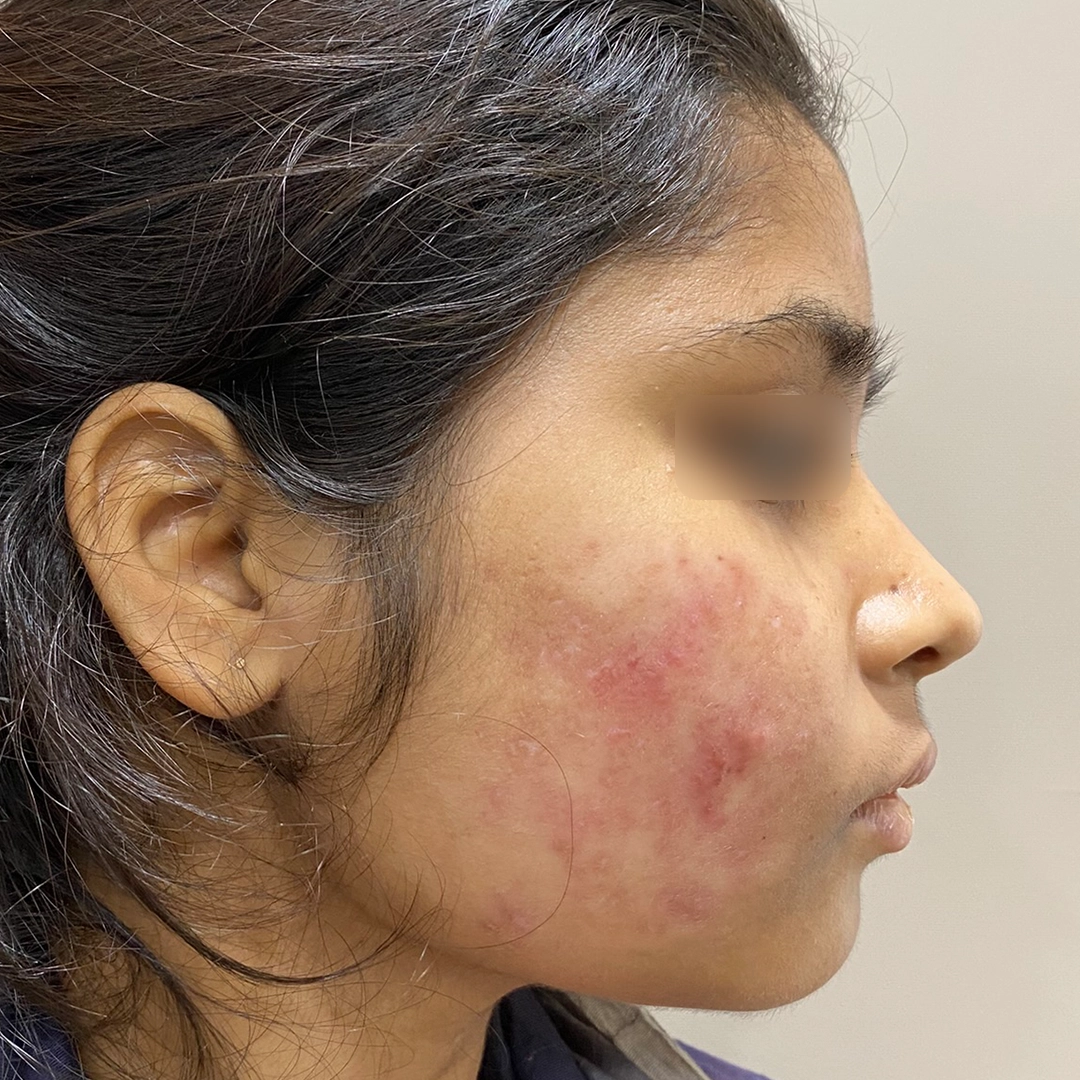
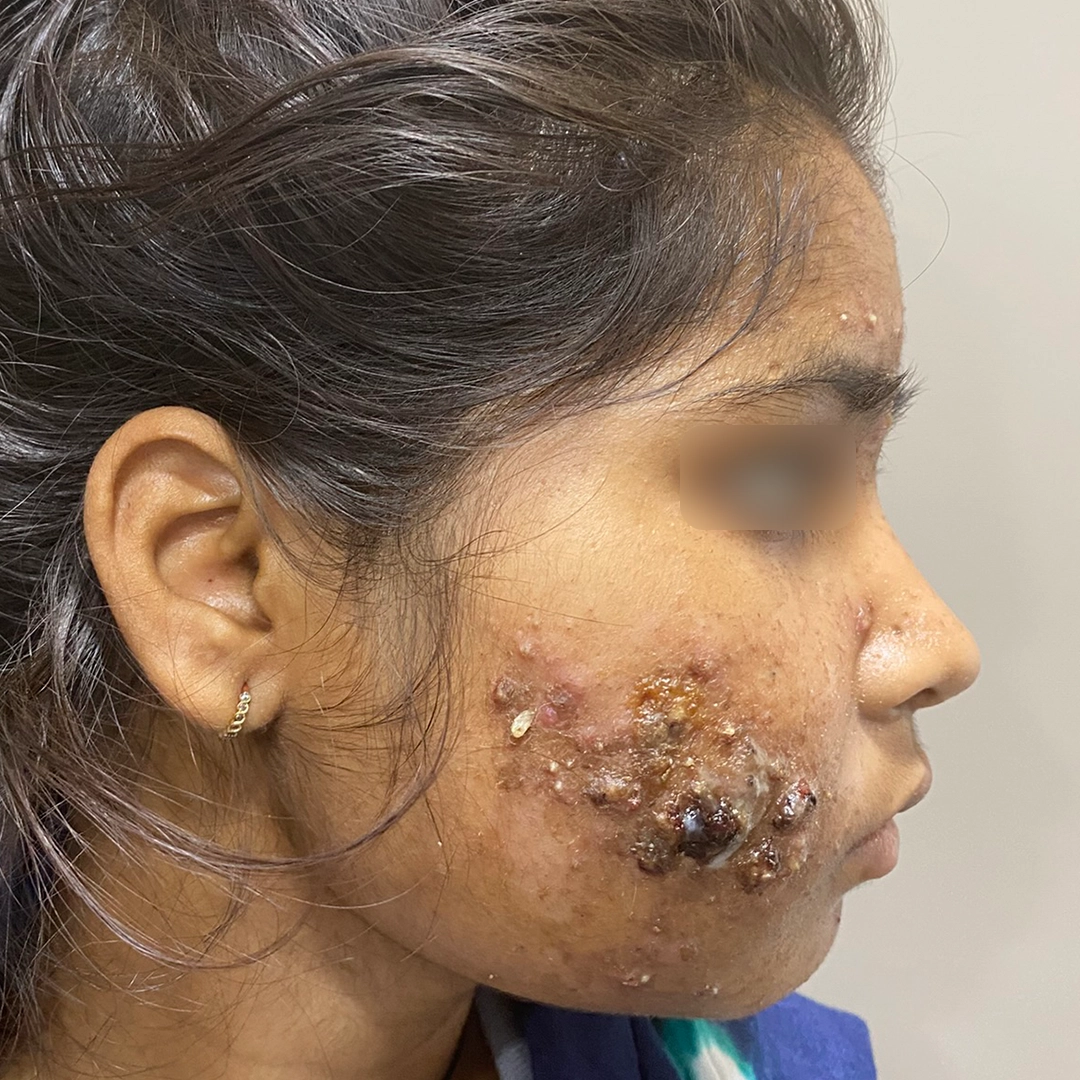
| Acne | Pimples, blackheads, painful cysts | Hormones, oil, stress, wrong products | Mild acne, often. Moderate to severe acne needs medical treatment |
| Dryness | Tight, flaky skin | Weather, hot water, harsh cleansers | Usually yes |
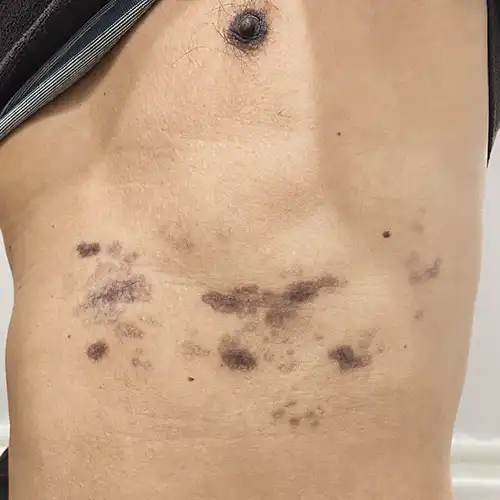
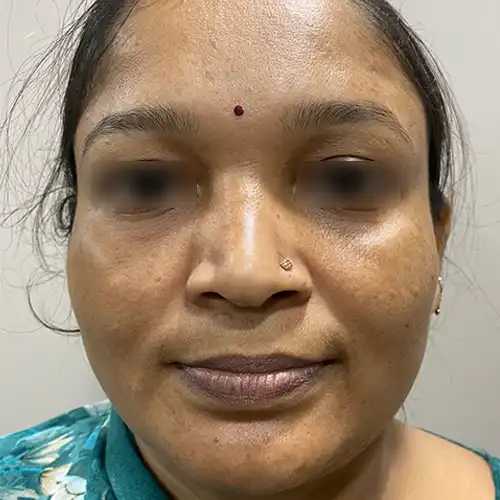
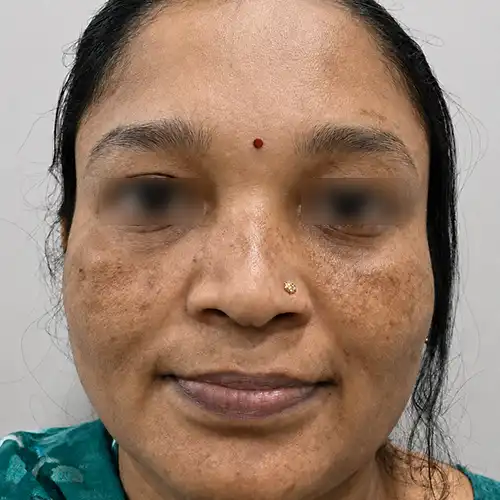
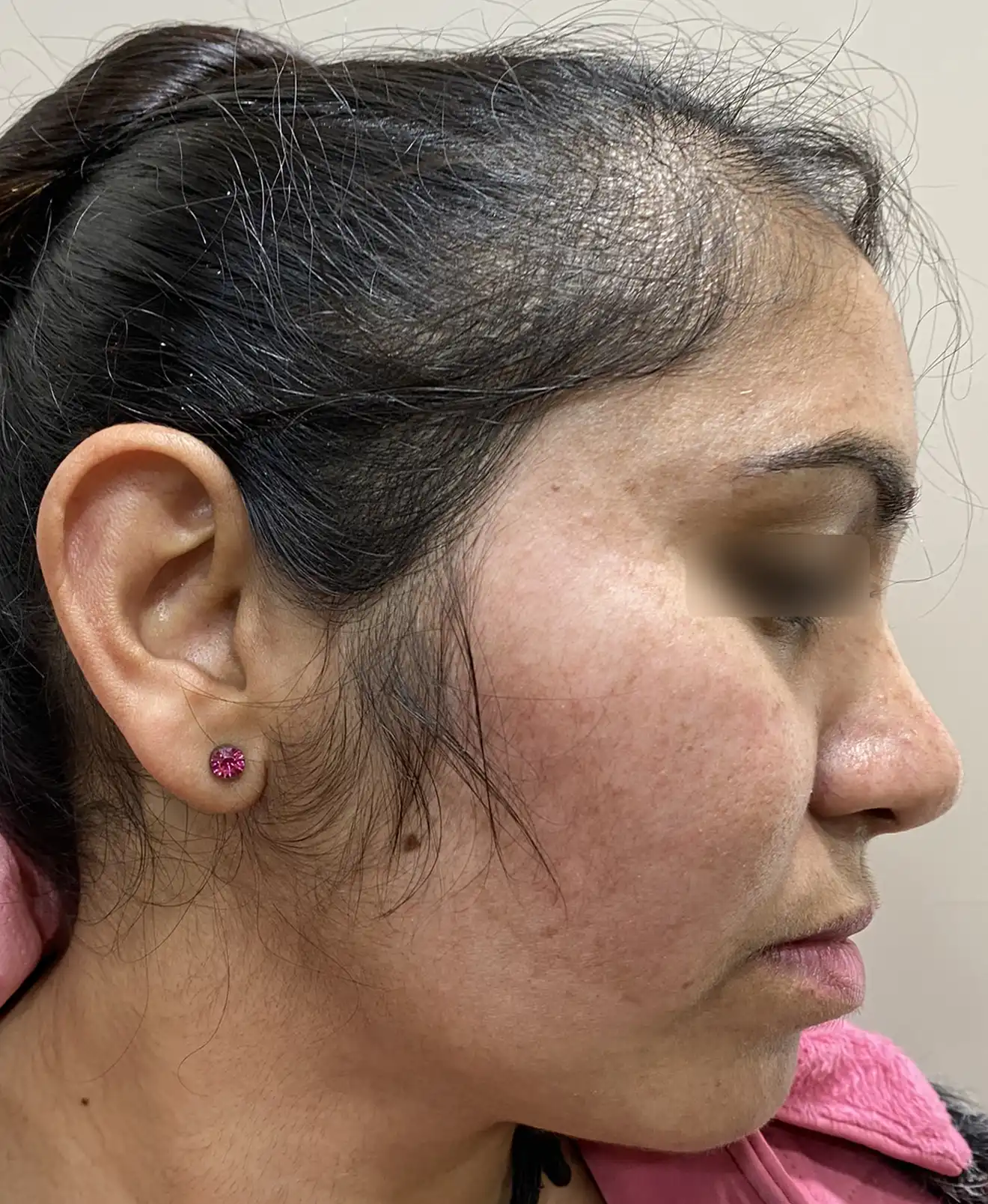
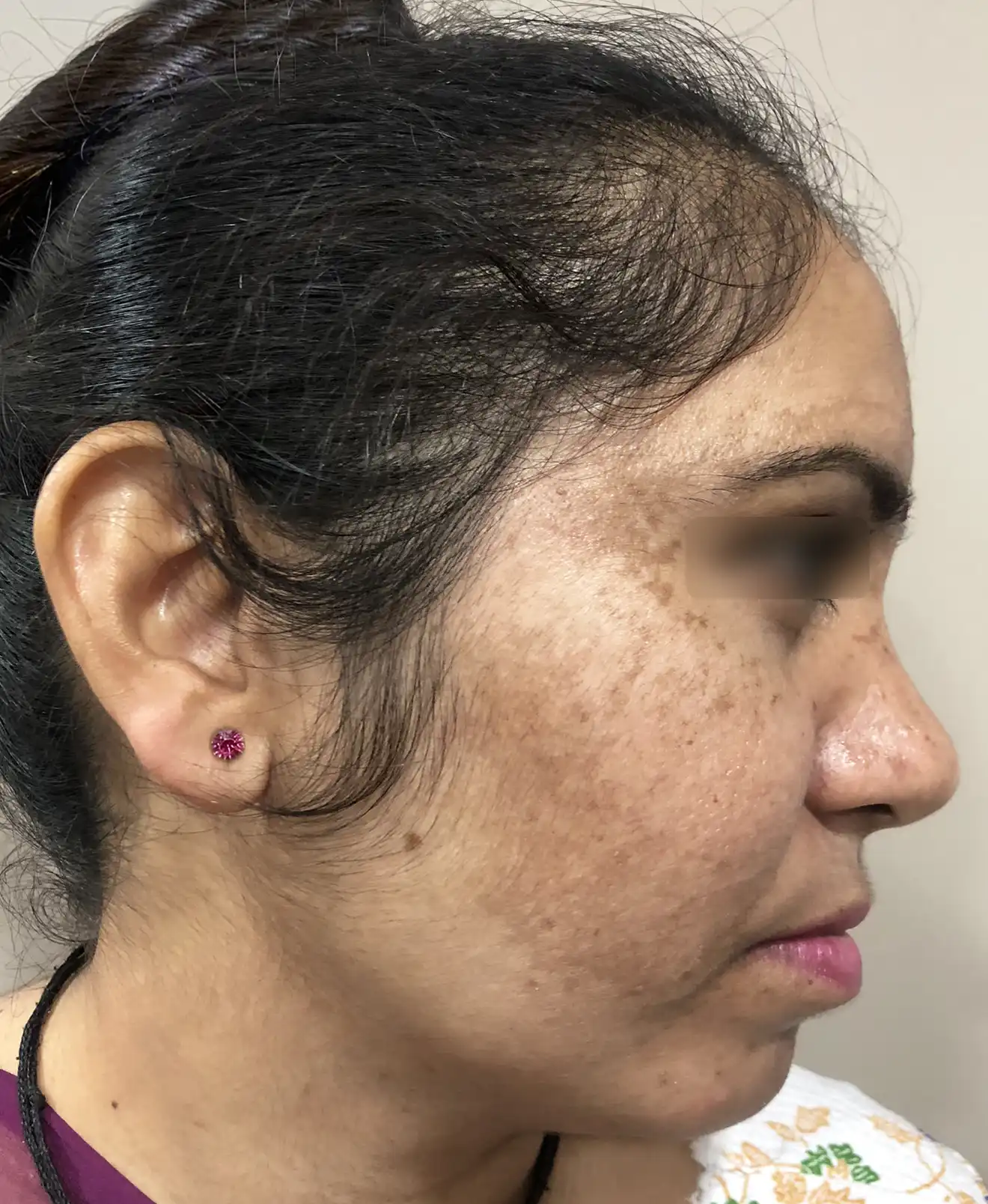
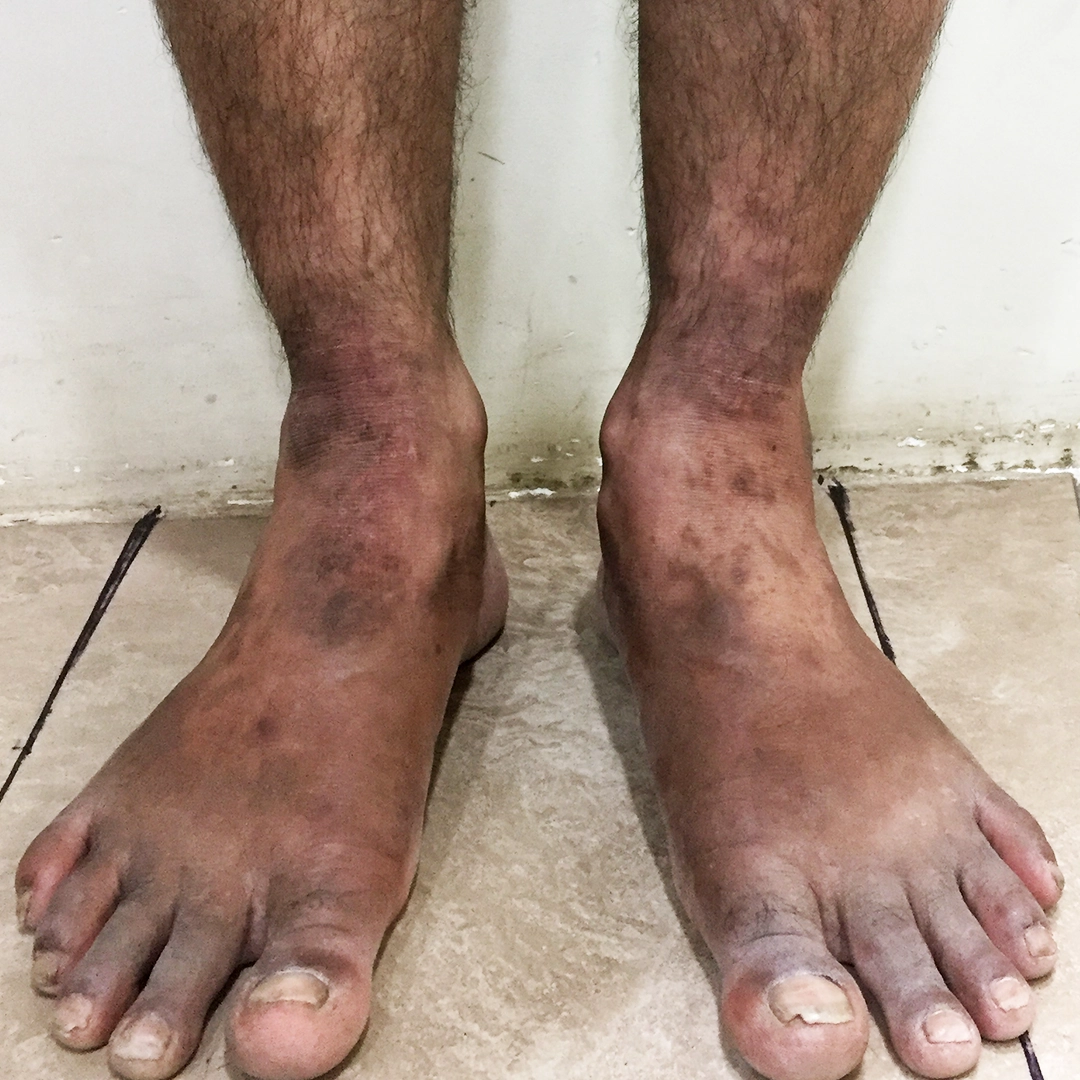
| Pigmentation / dark spots | Brown patches, marks after pimples | Sun, hormones, inflammation | Partly. Persistent cases need diagnosis |
| Eczema | Itchy, red, dry patches | Allergens, irritants, genetics | Needs medical management |
| Rashes / allergic reactions | Redness, swelling, itching, hives | New products, fabrics, foods | Stop the trigger and consult a doctor if it persists |
| Fungal infections | Ring-shaped, itchy, spreading patches | Heat, sweat, humidity | Needs antifungal treatment. Steroid creams can worsen it |
| Fungal acne | Uniform small itchy bumps | Sweat, humidity, occlusive products | Often mistaken for regular acne |
| Dandruff / seborrheic dermatitis | Flakes, oily red patches | Yeast overgrowth, stress | Medicated products often needed |
When Should You Consult a Dermatologist?
- Breakouts that persist for more than 4 to 6 weeks despite a consistent routine
- A rash that is spreading, painful or blistering
- Intense or constant itching
- A mole that changes in size, shape, color or border, or that bleeds
- Dark patches that are getting worse
- Skin reactions after using a product (swelling, burning, hives)
- Acne leaving scars or dark marks
- Sudden hair loss or scalp problems
- Any skin condition affecting your confidence or mental well-being
How Online Dermatologist Consultation Works at NeoDermatologist
- Book your appointment online on NeoDermatologist
- Share your concern: describe your symptoms, how long they’ve lasted and what you’ve tried.
- Upload clear photos of the affected area.
- Consult a certified dermatologist by video, call or chat.
- Receive a diagnosis and personalized treatment plan, including a routine suited to your skin.
- Follow up to track progress and adjust treatment.
- Take photos in natural daylight, without filters or heavy makeup
- Photograph the area from close up and from a distance
- Note when it started and what makes it better or worse
- List all products, medicines and supplements you use
- Mention allergies, past skin conditions and family history
Online vs in-clinic dermatology
| Online consultation | In-clinic visit | |
| Convenience | From home, anytime | Travel and waiting required |
| Wait time | Short | Often days or weeks |
| Best for | Acne, pigmentation, rashes, eczema, routine planning, follow-ups | Procedures, biopsies, suspicious lesions needing a physical exam |
| Privacy | High | Moderate |
| Follow-ups | Easy | Requires new visits |
| Cost | As low as 100.rs | Usually higher once travel is included |
Benefits of Consulting a Dermatologist Online
- Faster access to certified specialists
- Accurate diagnosis instead of trial and error
- Personalized plan rather than generic advice
- Privacy for sensitive skin concerns
- Convenient follow-ups to monitor progress
Struggling with acne, pigmentation, a rash or irritation?
[Book Your Online Dermatology Consultation Appointment at NeoDermatologist →] Certified dermatologists available 24/7 | 4.9 rated | 15,000+ consultations completed
For Instant Appointment - Book Your Online Appointment With Dermatologist On Whatsapp.
Final Thoughts
A good routine is simple, consistent and tailored to your skin. Protect in the morning, repair at night and stay away from risky trends. When something doesn’t improve, a dermatologist’s diagnosis saves time, money and your skin.
Medical disclaimer: This article is for general educational purposes and is not a substitute for professional medical advice, diagnosis or treatment. Always consult a qualified dermatologist about your specific condition.
M.B.,F.M.D.C. | GMC Reg: G-53014
A dermatologist specializing in online consultations for skin, hair, and nail concerns. Offers expert care for acne, pigmentation, eczema, scabies, ringworm, scalp infections, dandruff, psoriasis, vitiligo, hives, and hair loss, providing effective, personalized treatment solutions from the comfort of home.










Post a comment