 Hin
Hin En
En


Types of Alopecia Hair Loss: Causes in Males & Females and How to Treat It
Finding more hair in your brush or shower drain can be worrying, especially when it happens suddenly or in patches. Alopecia is the medical term for hair loss, and it isn’t a single condition. There are several types of alopecia hair loss, each with different causes, patterns and treatments. Knowing which type you have is the first step toward effective treatment.
Content Medically reviewed by Dr. Karma Patel, Dermatologist
⭐⭐⭐⭐⭐ 4.9 Rated | 15,000+ Online Dermatology Consultations Completed | Certified Dermatologists Available 24/7
Quick answer: The main types of alopecia hair loss are alopecia areata, androgenetic alopecia (pattern hair loss), telogen effluvium, anagen effluvium, traction alopecia and scarring (cicatricial) alopecia. Many types are treatable, and early diagnosis by a dermatologist gives the best chance of regrowth.
What Is Alopecia?
Alopecia means partial or complete loss of hair from the scalp or body. It can be temporary or permanent, and it can affect anyone regardless of age or gender. Depending on the cause, it may be linked to genes, hormones, nutrition or the immune system. Because it can reflect an underlying medical problem, alopecia is often described as an alopecia hair loss disease rather than just a cosmetic concern, and it deserves proper medical attention.
Types of Alopecia Hair Loss Explained
| Type | What it looks like | Common cause |
| Alopecia areata | Round, smooth bald patches | Autoimmune |
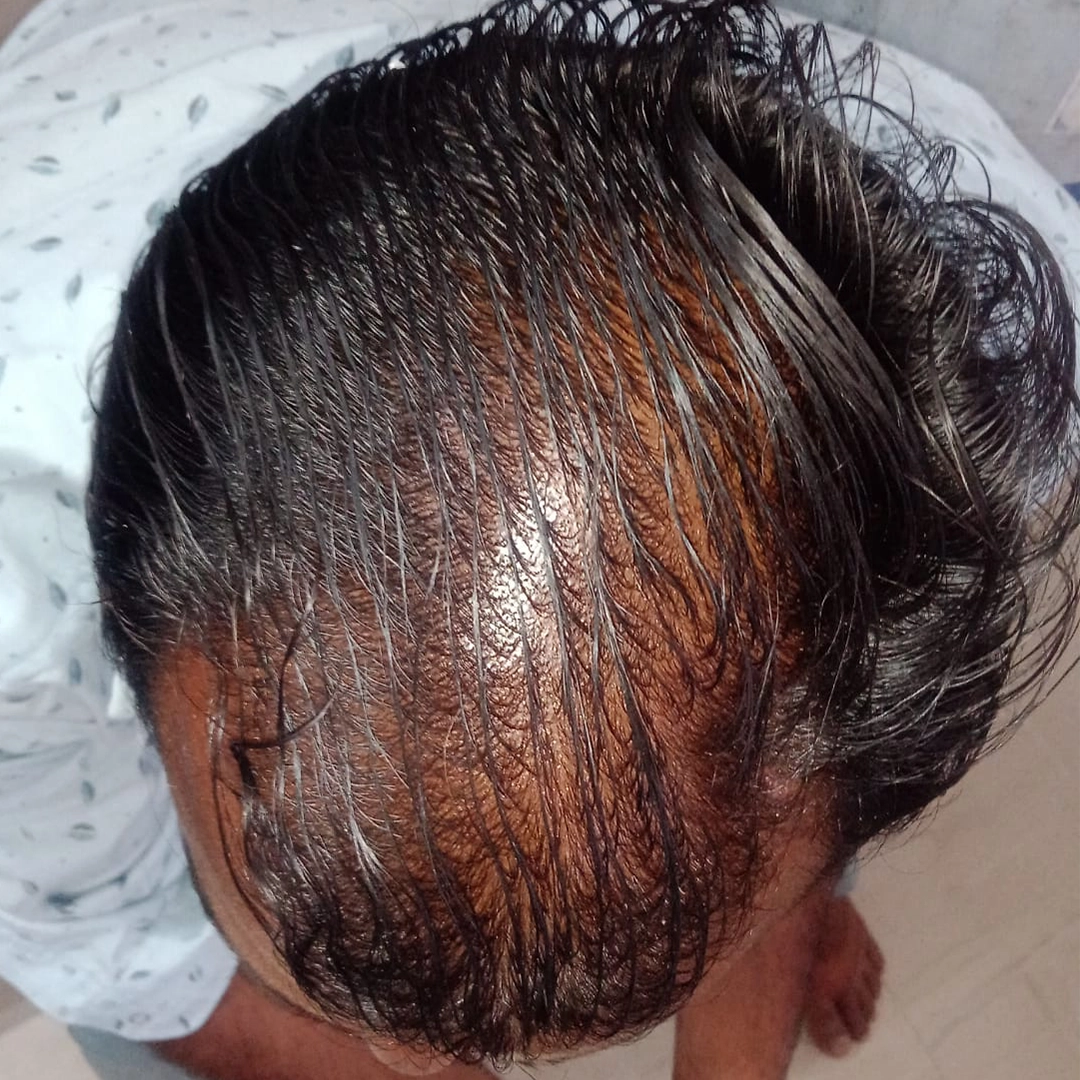
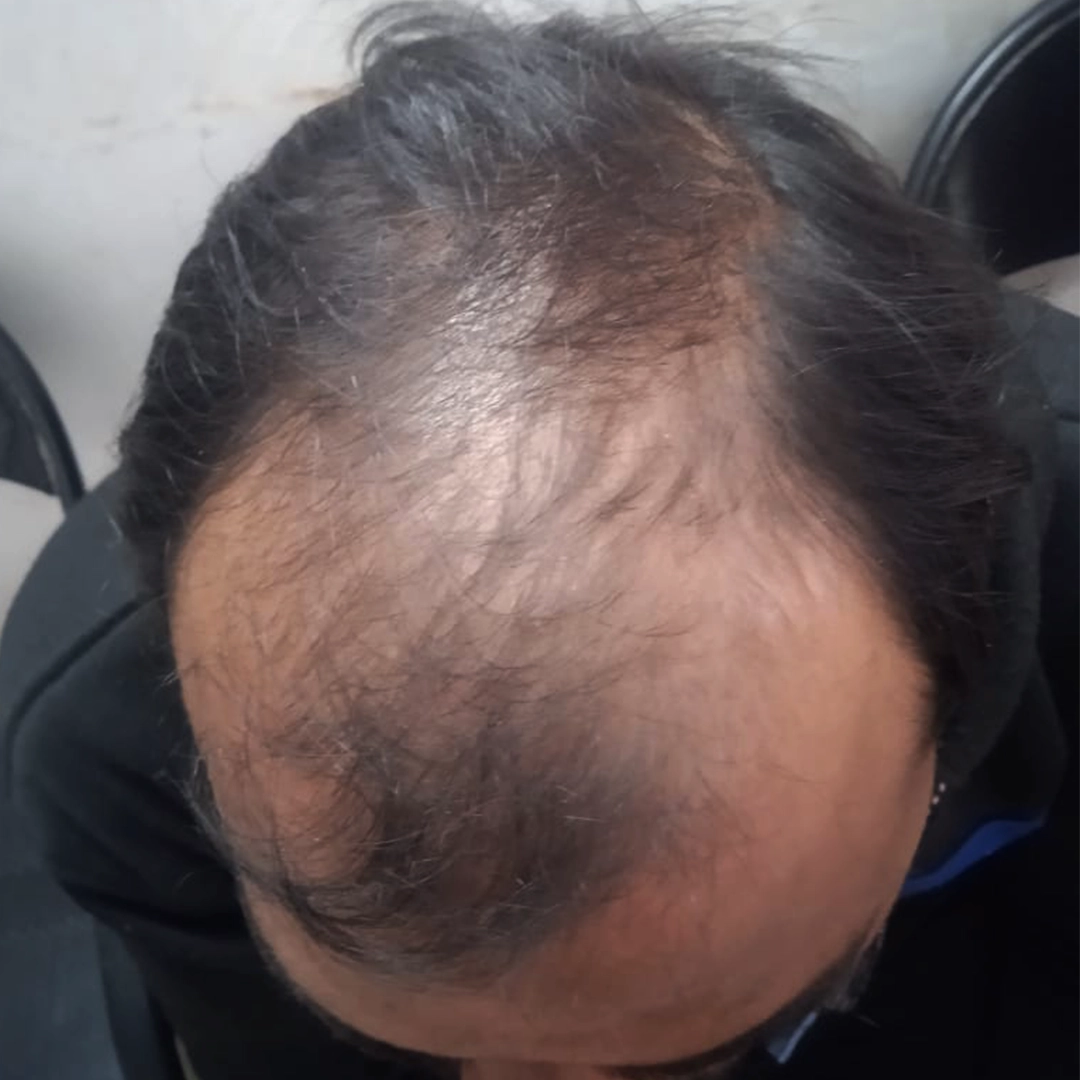
| Androgenetic alopecia | Thinning crown or receding hairline | Genetics and hormones |
| Telogen effluvium | Sudden, widespread shedding | Stress, illness, nutrition |
| Anagen effluvium | Rapid hair loss | Chemotherapy, toxins |
| Traction alopecia | Loss along the hairline or parting | Tight hairstyles |
| Scarring alopecia | Patchy loss with scalp changes | Inflammation damaging follicles |
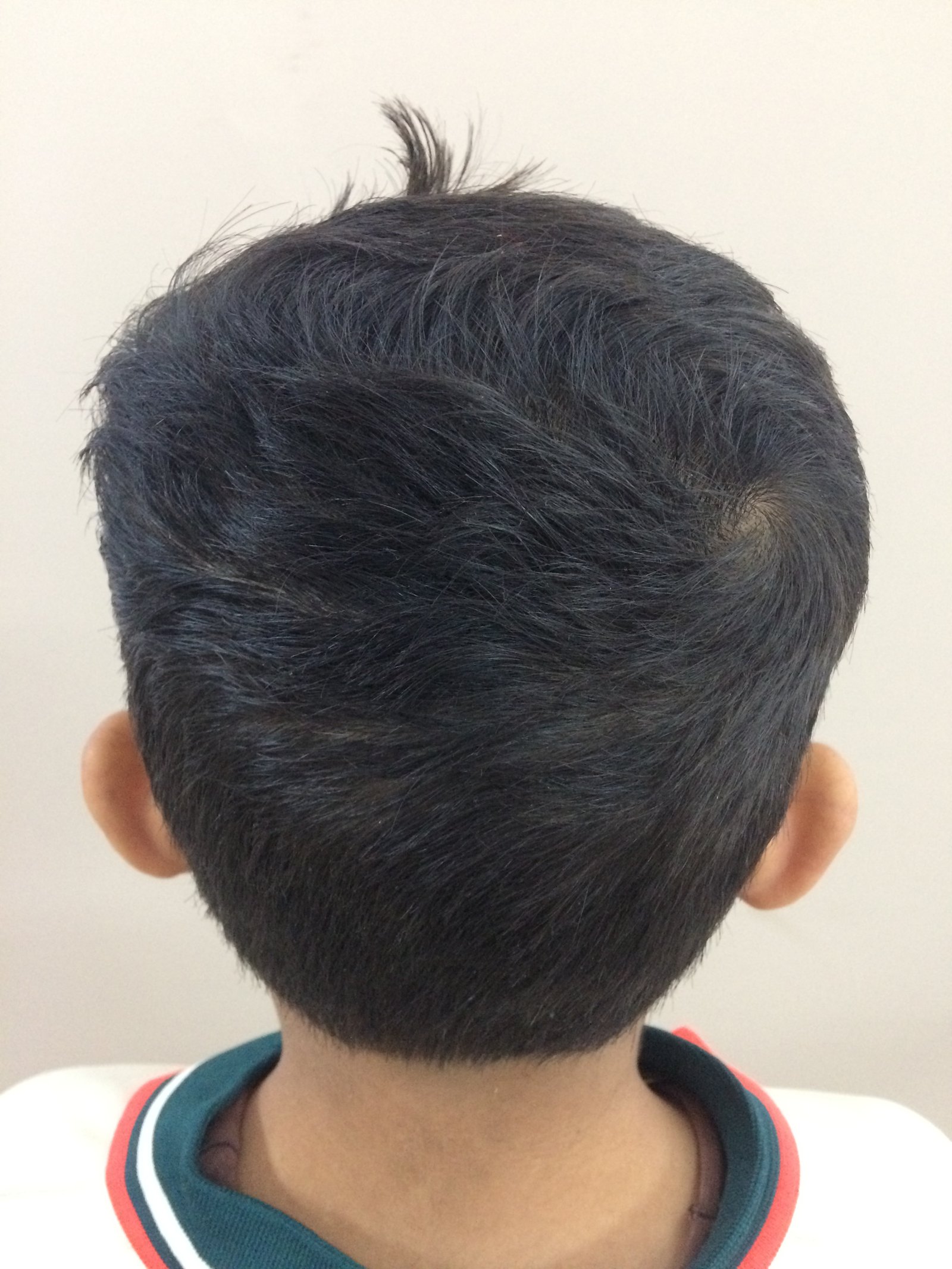
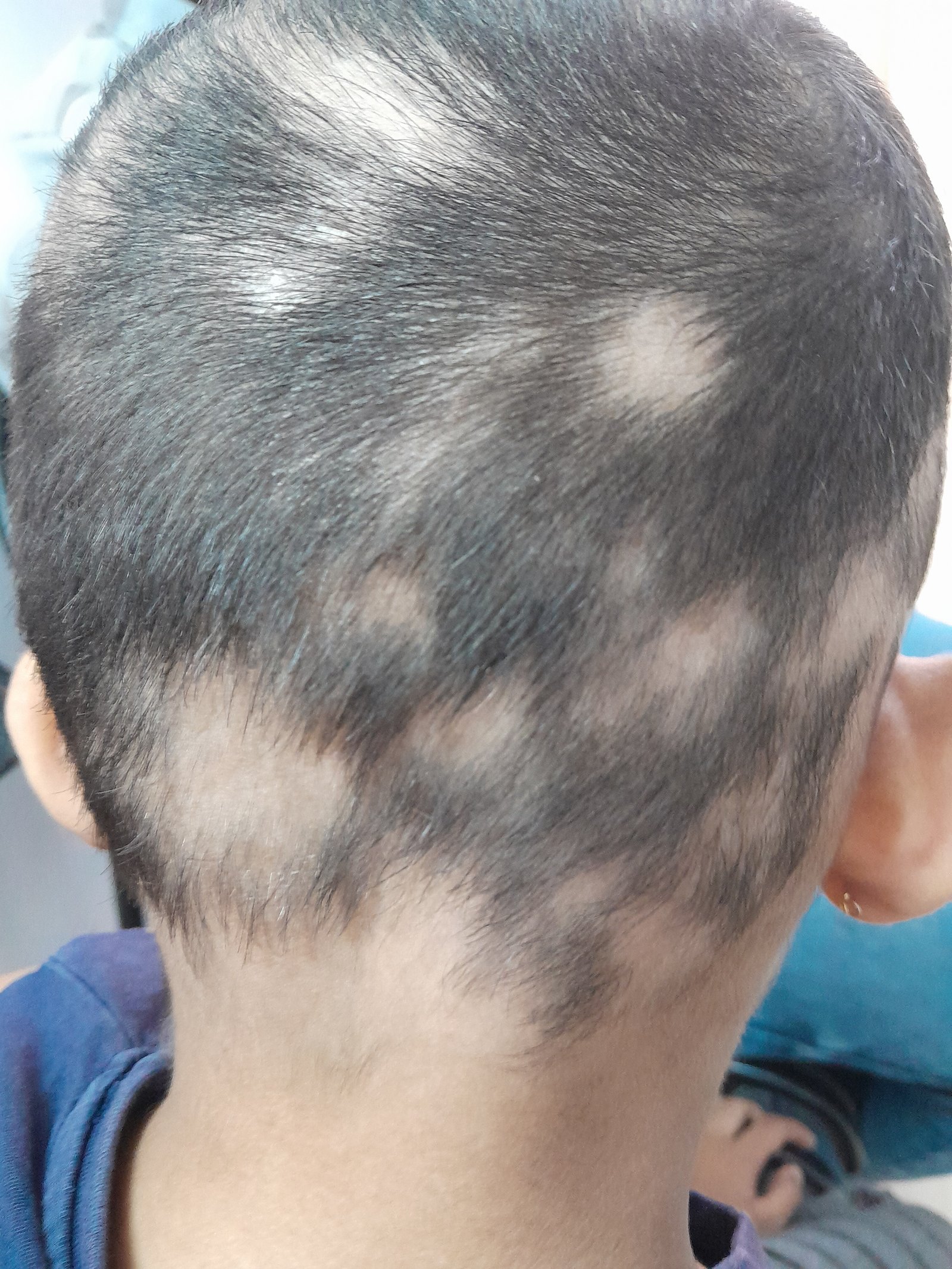
1. Alopecia Areata
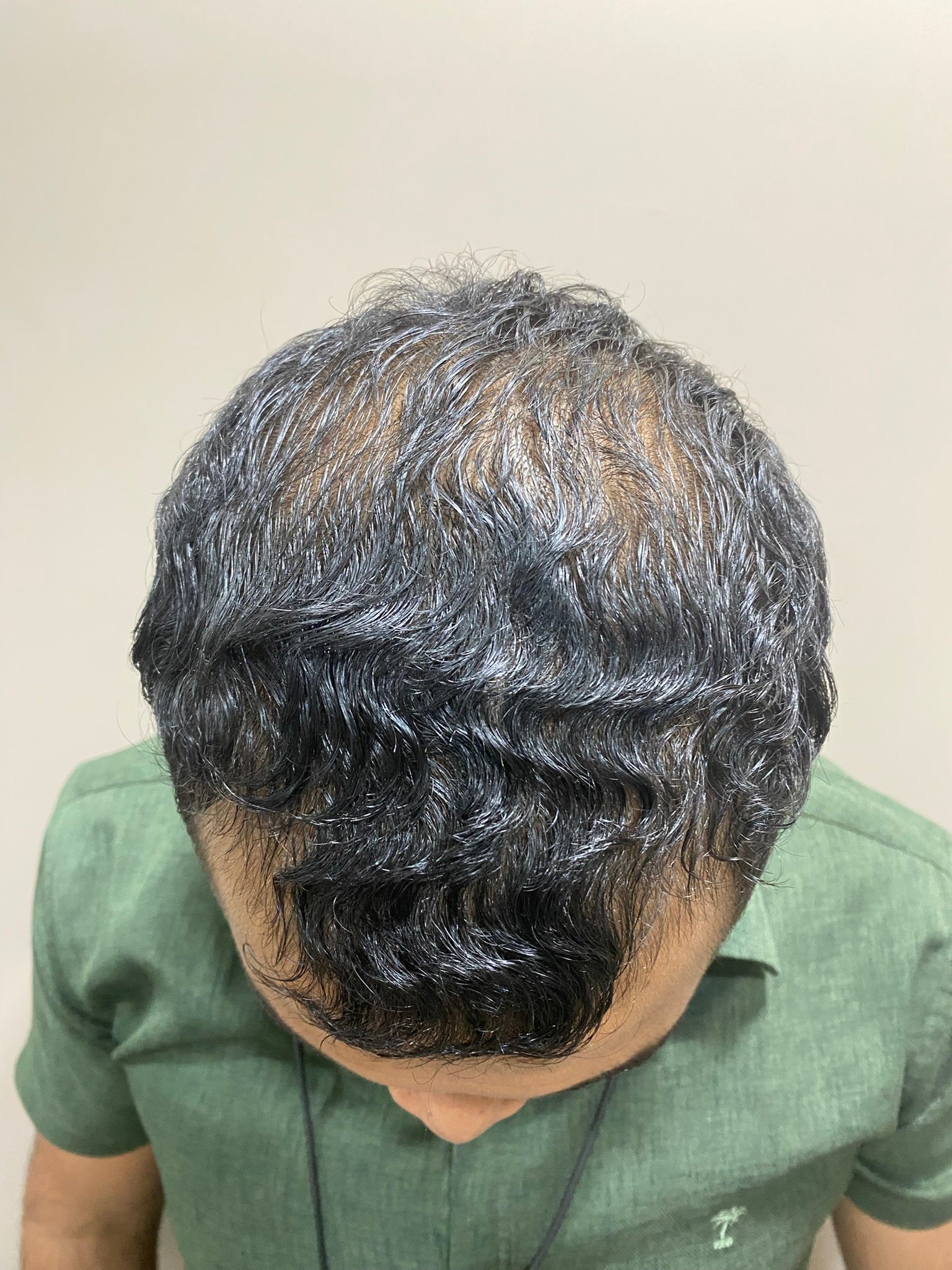
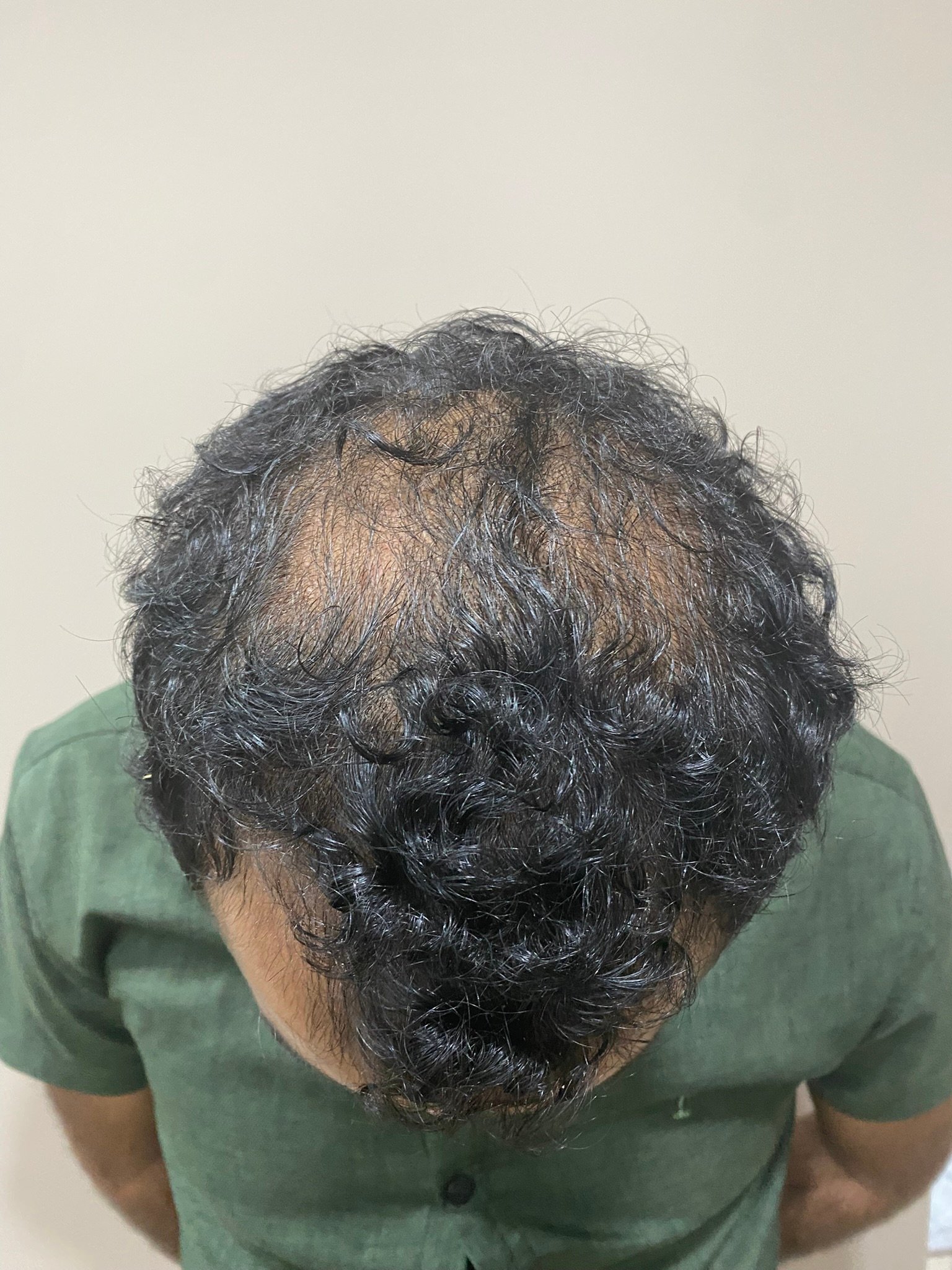
2. Androgenetic Alopecia (Pattern Hair Loss)
3. Telogen Effluvium
4. Anagen Effluvium
5. Traction Alopecia
6. Scarring (Cicatricial) Alopecia
Alopecia Causes in Females
- Hormonal changes: pregnancy, the postpartum period, menopause and conditions like PCOS
- Thyroid disorders: both underactive and overactive thyroid can cause thinning
- Nutritional deficiencies: low iron (ferritin), vitamin D, vitamin B12 or inadequate protein
- Autoimmune disease: such as alopecia areata or lupus
- Genetics: female pattern hair loss often runs in families
- Stress and illness: physical or emotional stress can trigger sudden shedding
- Hair practices: tight styles, frequent heat styling and harsh chemical treatments
Alopecia Causes in Males
- Genetics and DHT sensitivity: hair follicles gradually shrink in response to dihydrotestosterone (DHT), leading to male pattern baldness
- Autoimmune conditions: alopecia areata can cause patchy loss on the scalp and in the beard
- Stress, illness or rapid weight loss: these can cause sudden shedding
- Medications: some drugs list hair loss as a side effect
- Scalp conditions: fungal infections or severe dandruff can contribute to thinning
How to Treat Alopecia Hair Loss
There is no single treatment that works for everyone. The right hair loss treatment depends on which of the types of alopecia hair loss you have, what is causing it and how far it has progressed. A dermatologist may recommend:
- Topical minoxidil: stimulates follicles and is widely used for pattern hair loss in both men and women
- Finasteride or dutasteride: reduce DHT in men with pattern hair loss (prescription only)
- Anti-androgen therapy for women: options such as spironolactone in selected cases, under medical supervision
- Corticosteroids: topical, injected or oral forms to calm the immune attack in alopecia areata
- JAK inhibitors: newer prescription medicines approved for severe alopecia areata
- Treating the root cause: correcting thyroid problems, iron or vitamin deficiencies, or changing a medication that triggers shedding
- PRP and low-level laser therapy: supportive options that may help some patients
- Hair transplant: may be considered for stable, long-standing pattern hair loss
Hair grows slowly, so most treatments need three to six months of consistent use before improvement is visible. Stopping early or switching products too often is one of the most common reasons treatment appears to fail.
Lets dive in deep to check more about Alopecia Medicine treatment
Alopecia Medicine: What Dermatologists Commonly Prescribe
There is no single alopecia medicine that works for every person. The right choice depends on your type of alopecia, how active it is, your age, your gender and your medical history. Here are the main options, grouped by type.
Medicines for Androgenetic Alopecia (Pattern Hair Loss)
- Topical minoxidil (2% and 5%): Applied to the scalp, it prolongs the growth phase of hair and improves follicle size. It is available over the counter and works for both men and women.
- Oral minoxidil (low dose): Sometimes prescribed by dermatologists for people who cannot use the topical form consistently. It needs medical supervision, as it can cause side effects such as unwanted facial hair or fluid retention.
- Finasteride: A prescription tablet for men that lowers DHT levels and slows further hair loss. It is not suitable for women who are pregnant or planning pregnancy.
- Dutasteride: A stronger DHT blocker, used in selected cases under medical guidance.
- Spironolactone: An anti-androgen sometimes used for women with pattern hair loss, especially those with hormonal imbalance such as PCOS.
Medicines for Alopecia Areata
- Topical corticosteroids: Creams, foams or lotions that reduce inflammation around the follicles in mild patchy cases.
- Intralesional steroid injections: Small injections into bald patches to calm the immune response locally.
- Oral corticosteroids: Short courses for rapidly spreading cases, used carefully because of side effects.
- Topical immunotherapy: A treatment applied to the scalp that stimulates regrowth in extensive alopecia areata.
- JAK inhibitors: Newer prescription medicines, such as baricitinib and ritlecitinib, approved in several countries for severe alopecia areata. They are prescribed only after a specialist assessment.
Medicines for Telogen Effluvium and Scarring Alopecia
- Telogen effluvium: Treatment mainly focuses on the cause, such as correcting iron, vitamin D or B12 deficiency, treating thyroid problems or recovering from illness. Minoxidil may be added to speed up regrowth.
- Scarring alopecia: Doctors may use anti-inflammatory medicines such as topical or injected steroids, oral antibiotics like doxycycline, or hydroxychloroquine to stop further follicle damage. Early treatment is critical because lost follicles cannot grow back.
Supplements: Helpful Only If You Are Deficient
Iron, vitamin D, vitamin B12, zinc and biotin are widely marketed for hair growth, but they help mainly when a blood test shows a deficiency. Taking them without testing rarely improves hair and can sometimes cause harm, so check your levels first.
Important Things to Know Before Starting Any Alopecia Medicine
- Be patient: Most medicines need three to six months before visible results, and stopping suddenly can lead to hair loss returning.
- Expect an initial shed: Minoxidil may cause temporary shedding in the first few weeks, which is usually normal.
- Do not self-medicate: The wrong medicine for your type of alopecia wastes time and can allow the condition to progress.
- Follow up regularly: Your dermatologist may adjust the medicine based on your response and any side effects.
When Should You See a Dermatologist?
- Sudden or patchy hair loss
- Thinning that keeps progressing
- Redness, pain, itching, burning or scaling on the scalp
- Hair loss along with fatigue, weight changes or irregular periods
- Hair loss after starting a new medication
Choose how you want to consult on NeoDermatologist:
- Free Photo Consultation: Upload clear photos of your scalp and hairline, and get a personalised prescription without a video call.
- Video Consultation: Discuss your hair fall pattern, family history, diet and medications directly with a dermatologist.
Consult a Dermatologist Online with Neodermatologist
- Book your consultation and share your hair loss history, medications and any past reports.
- Upload clear photos of your scalp, hairline and affected areas.
- Get a personalised assessment from a dermatologist, including the likely type of alopecia and what may be causing it.
- Receive a treatment plan with prescribed medicines where appropriate, plus any tests and follow-up needed.
Conclusion
M.B.,F.M.D.C. | Registration No.: G-53014
A dermatologist specializing in online consultations for skin, hair, and nail concerns. Offers expert care for acne, pigmentation, eczema, scabies, ringworm, scalp infections, dandruff, psoriasis, vitiligo, hives, and hair loss, providing effective, personalized treatment solutions from the comfort of home.



Post a comment