 Hin
Hin En
En


How To Control Hair Fall: Treatment, Causes, Solutions & Care for Men & Women
Introduction
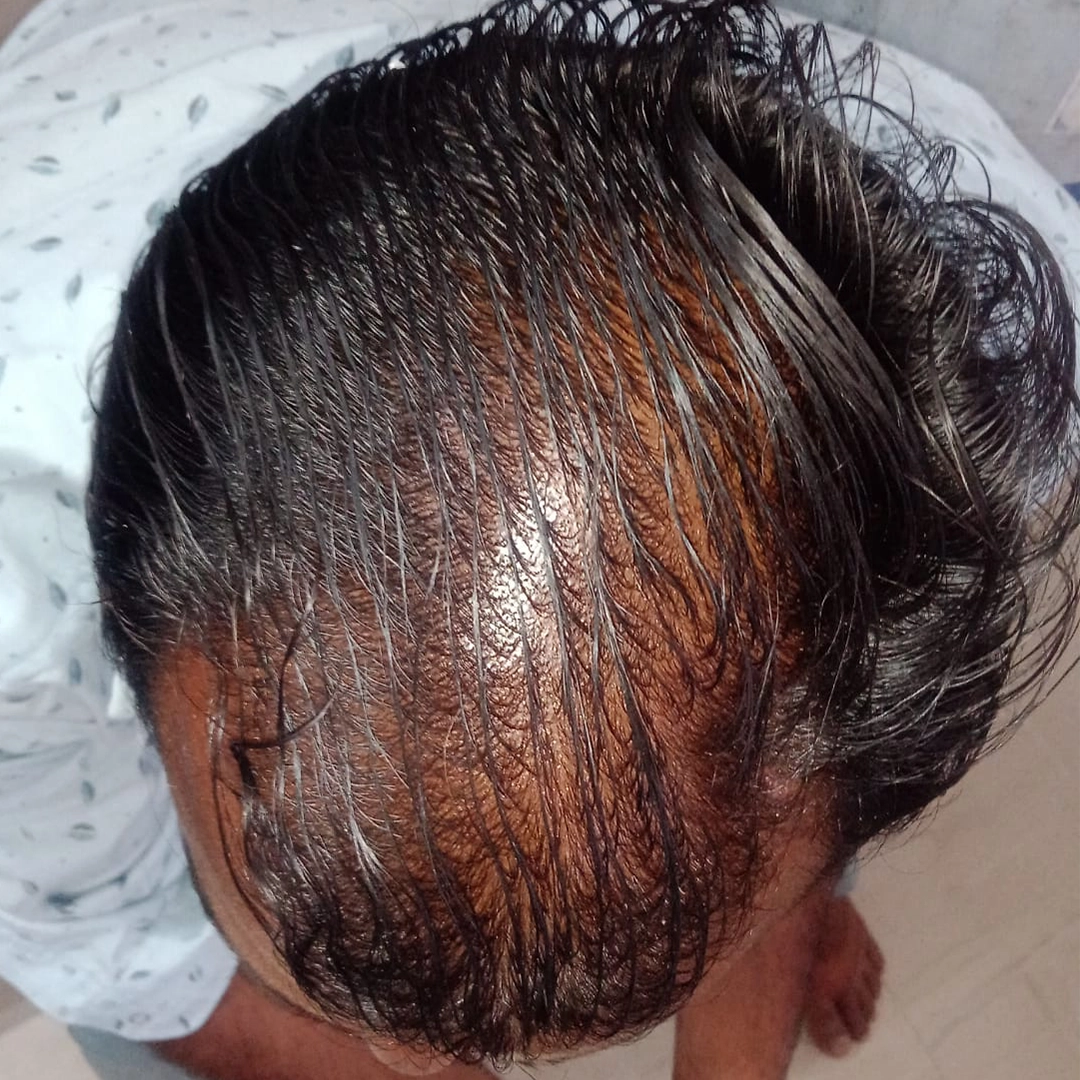
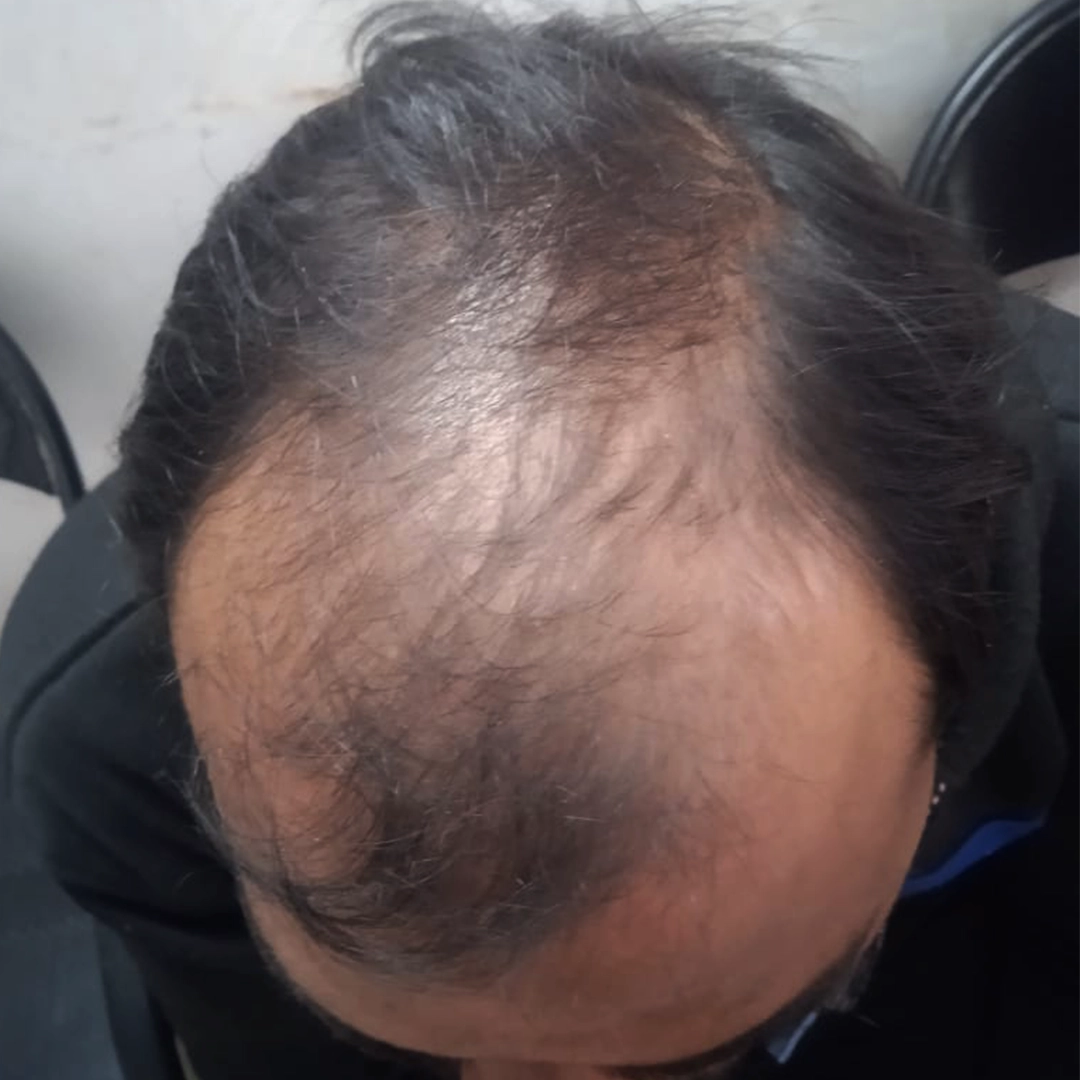
Hair fall is the excessive shedding or thinning of hair beyond the normal 50–100 strands a day. If you're noticing a widening hair part, a receding hairline, bald patches, or clumps of hair after washing or combing, it could point to an underlying medical cause rather than ordinary seasonal shedding.
The good news: most hair fall is treatable once you know the cause. This guide walks you through a complete hair fall control treatment plan - from identifying why you're losing hair, to the home-care habits that help, to the medical treatments dermatologists actually recommend for men and women. If you're searching for how to stop hair fall, trying to build a hair loss treatment plan, or wondering which doctor to consult, you're in the right place.
Reviewed by Dermatologist - Dr. Ruchir Shah (M.B., D.V.D)⭐ 10,000+ Online Dermatology Consultations Completed
This article is medically reviewed to ensure accurate, evidence-based information about the causes, spread, symptoms, and treatment of ringworm infections.
⭐⭐⭐⭐⭐ Trusted Skin Care by Experienced Dermatologists
Many patients now prefer online dermatologist consultation for hair fall because it offers:
- Faster diagnosis
- Personalized treatment plans
- Prescription-based care
- Regular follow-ups from home
If you are searching for online hair consultation, hair fall control, hair fall treatment for men or women, or which doctor to consult for hair loss, a dermatologist-led treatment plan provides the safest and most effective solution. With the rise of advanced online dermatology consultation platforms, getting accurate hair fall treatment has become easier, more accessible, and highly personalized.
In this blog, we explain how hair fall is diagnosed, what treatment options are available, and how early intervention can help restore scalp health and improve hair density.
Let’s dive into the blog content
Common causes of hair fall include:
Several underlying factors can drive excessive shedding, including:
- Genetic hair loss - Androgenetic alopecia
- Sudden stress-related shedding - Telogen effluvium
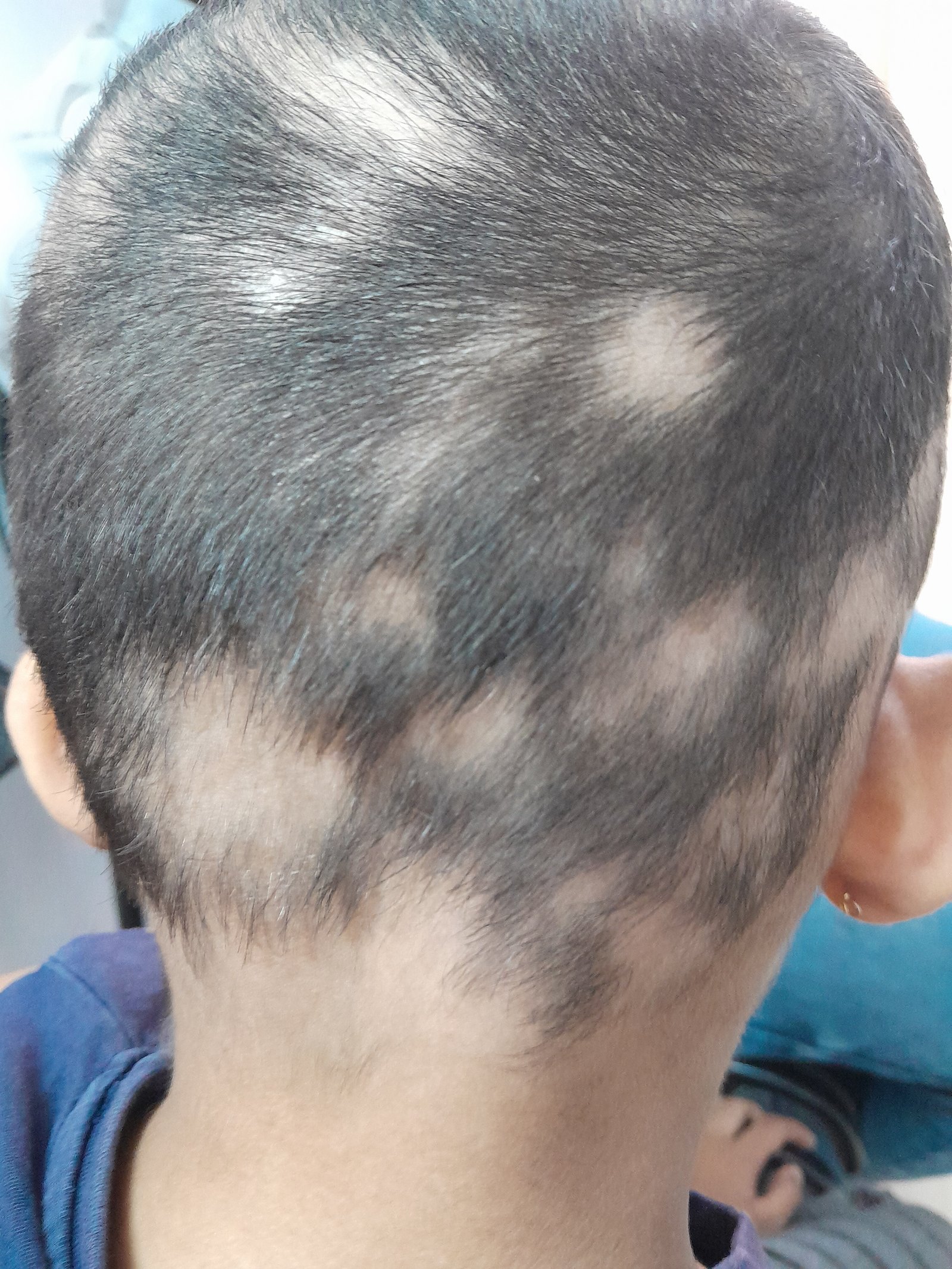
- Autoimmune hair loss - Alopecia areata
- Hormonal imbalance - PCOS, thyroid disorders
- Severe dandruff or scalp inflammation
- Nutritional deficiencies - iron, vitamin D, B12
- Poor scalp hygiene or over-styling - heat tools, tight hairstyles, harsh chemical treatments
Early diagnosis matters. Delayed treatment can lead to permanent follicle damage and reduced regrowth potential - which is why the first step of any treatment plan is figuring out exactly what's causing your hair fall, not guessing.
Hair fall treatment depends entirely on the cause. Dermatologists may recommend topical medications, oral treatments, scalp therapy, nutritional correction, or advanced procedures based on individual scalp assessment.
How to Build a Hair Fall Treatment Plan
There's no single “best” hair fall treatment - the right plan depends on your specific cause, hair type, and how advanced the shedding is. Here's how dermatologists typically approach it:
- Diagnose the underlying cause - a dermatologist reviews your medical history, scalp condition, and sometimes blood work (iron, thyroid, vitamin D/B12) to confirm or rule out hormonal, nutritional, or autoimmune causes.
- Match the treatment to the cause - genetic hair loss responds differently than stress-related shedding or PCOS-linked thinning, so treatment should target the specific cause, not just the symptom.
- Combine medical treatment with home care - prescription or over-the-counter treatments work best alongside consistent scalp care, a balanced diet, and stress management.
- Track progress over 3-6 months - hair growth cycles are slow. Most treatment plans need at least 3-4 months before visible improvement, so regular follow-ups help adjust the plan early.
- Reassess and adjust - if shedding continues, a follow-up consultation lets your dermatologist add or switch treatments before hair loss progresses further.
This is also where online dermatology has changed the process - you can now get an entire plan built around photos and a case history, without visiting a clinic, and follow up whenever you need to.
Hair Fall Control Treatment at Home
Home care alone won't reverse conditions like androgenetic alopecia or alopecia areata, but it does support medical treatment and can meaningfully slow everyday shedding.
Scalp & Hair Care Habits
- Wash with a mild, sulfate-free shampoo 2–3 times a week - over-washing and under-washing can both worsen shedding.
- Avoid tight hairstyles, frequent heat styling, and harsh chemical treatments (keratin, bleach) that stress the follicle.
- Massage the scalp for a few minutes daily to support blood circulation.
- Use a wide-tooth comb and detangle gently, starting from the ends.
Diet & Nutrition for Hair Fall Control
Iron, zinc, biotin, protein, and vitamin D deficiencies are among the most common - and most fixable - causes of diffuse hair thinning. A diet with enough protein (eggs, legumes, dairy), leafy greens, nuts, and seeds supports the hair growth cycle. Our dermatologists generally recommend confirming a deficiency with a blood test before starting any supplement, since more isn't always better. Watch our Hair Loss & Diet Solutions video (linked below) for a fuller breakdown.
When Home Care Isn't Enough
If you've been consistent with home care for 8-12 weeks and shedding hasn't slowed - or you notice bald patches, a widening part, or scalp redness/itching - it's time to consult a dermatologist online rather than continuing to self-treat.
The Psychological Impact of Hair Fall
Hair is often viewed as a symbol of beauty, vitality, and youthfulness in many cultures. Therefore, experiencing hair fall can lead to a range of negative emotions, including anxiety, depression, and low self-esteem. Individuals may feel self-conscious about their appearance, leading to social withdrawal and a decline in quality of life. This is true for both hair fall control in men and hair fall control for female patients, as the emotional burden can be equally significant. The psychological impact of hair fall underscores the significance of seeking treatment to address not just the physical symptoms but also the emotional distress associated with it.
Understanding the Causes of Hair Fall
Before delving into treatment options, it's essential to understand the underlying causes of hair fall. Several factors can contribute to excessive shedding, including genetics, hormonal imbalances, nutritional deficiencies, stress, medical conditions, and environmental factors. Identifying the root cause is crucial in developing an effective treatment plan - whether it’s hair loss treatment for men and women or a targeted approach like for thin hair treatment - tailored to individual needs.
The Importance of Timely Intervention
Ignoring hair fall can exacerbate the problem over time. What might start as a minor concern can escalate into significant hair loss if left untreated. Timely intervention is key to preventing further damage and promoting hair regrowth. Seeking professional advice, such as consulting a hair loss treatment for men doctor or a specialist for women, at the earliest signs of hair fall allows for early diagnosis and targeted treatment, increasing the likelihood of successful outcomes.
Promoting Scalp and Hair Health
Effective hair fall treatment focuses not only on stopping excessive shedding but also on promoting scalp and hair health. This includes adopting a holistic approach that addresses nutritional deficiencies, scalp conditions, and lifestyle factors that may contribute to hair fall. Incorporating a balanced diet rich in vitamins, minerals, and proteins, practicing stress-management techniques to control hair fall & hair loss caused by stress, and using suitable hair fall control methods can all contribute to maintaining optimal scalp and hair health.
Hair Fall Control for Men and Women
Hair carries real emotional weight for both men and women - many people report anxiety, lower self-esteem, or social withdrawal well before hair loss is visibly advanced. That emotional impact is a valid reason to seek treatment early, not just a cosmetic one. Because the underlying causes often differ by gender, treatment plans usually do too:
Hair Fall Control in Men
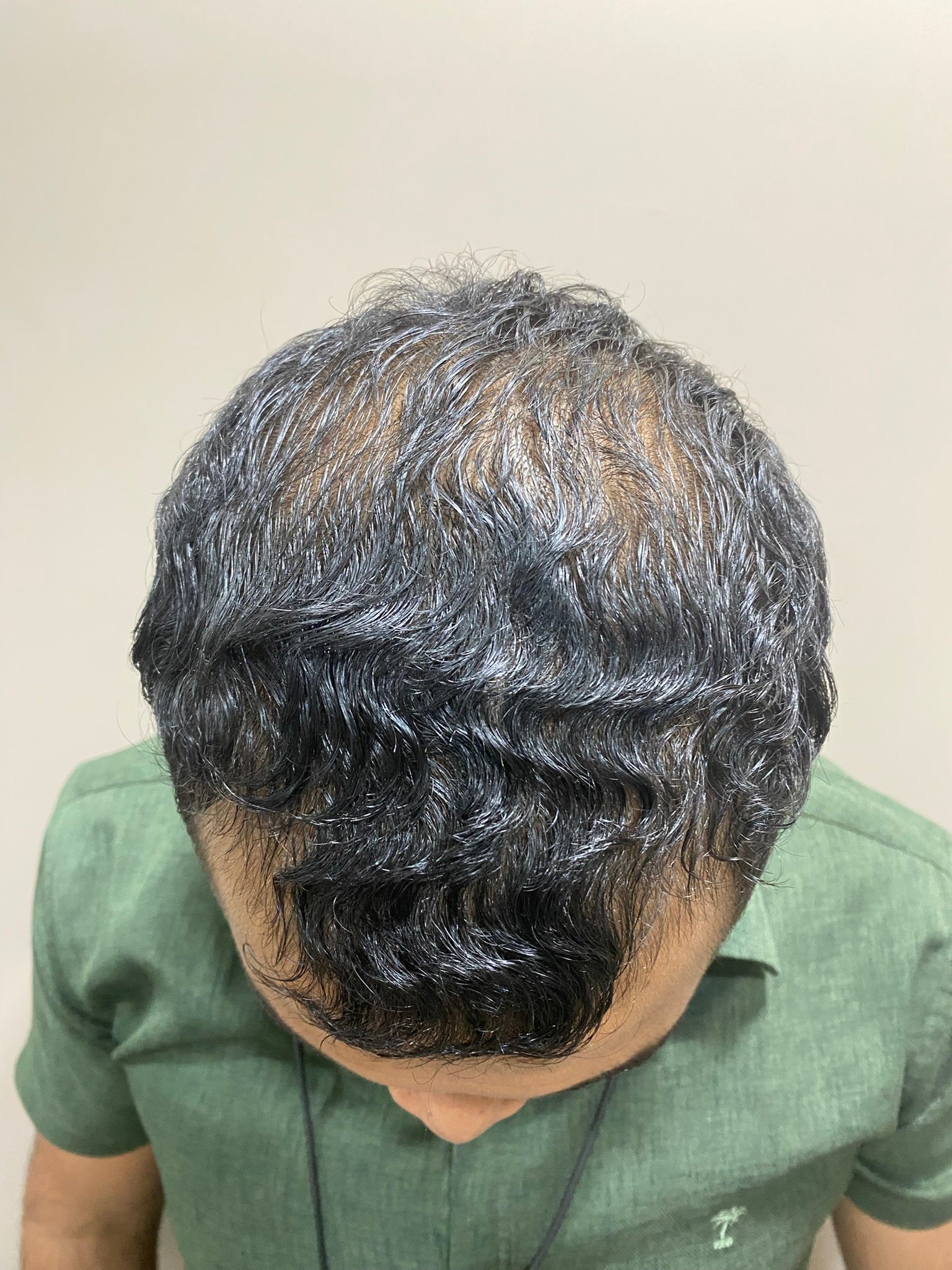
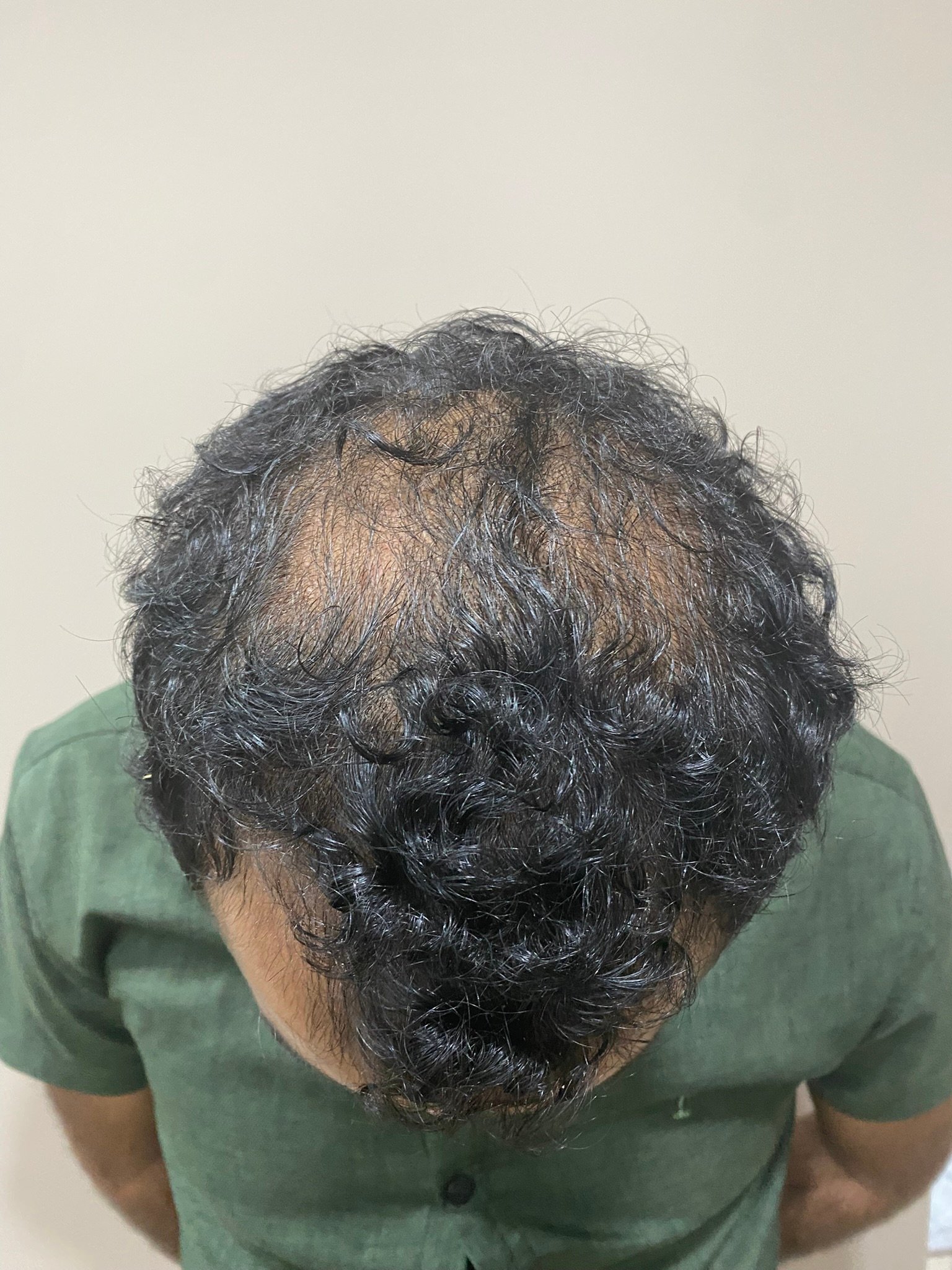
Male pattern hair loss (androgenetic alopecia) is the most common cause of hair fall in men, usually starting with a receding hairline or thinning at the crown. It's driven by genetics and sensitivity to DHT (a byproduct of testosterone) - which is why treatments like topical minoxidil and prescription oral medication (below) specifically target this pathway.
Hair Fall Control in Women
In women, hair fall is more often diffuse - thinning all over rather than a receding hairline - and linked to hormonal shifts such as PCOS, thyroid disorders, pregnancy/postpartum changes, or menopause, as well as iron deficiency. Because the causes differ from male pattern baldness, treatment plans for women are typically built around correcting the underlying hormonal or nutritional imbalance alongside topical care.
Hair Fall Treatment Options
Hair fall treatment options vary depending on the underlying cause and severity of the condition. Some common approaches include topical treatments, oral medications, laser therapy, platelet-rich plasma (PRP) therapy, and hair transplant surgery. Consulting with a dermatologist or trichologist can help determine the most suitable treatment plan based on individual needs and preferences, whether it’s hair fall control in men or hair fall control for female patients.
1. Topical Treatments
Topical treatments such as minoxidil are widely used to promote hair growth and prevent further loss. Minoxidil works by increasing blood flow to the scalp and prolonging the growth phase of hair follicles. It is available over the counter in various strengths and formulations, making it accessible to many individuals experiencing hair fall.
2. Oral Medications
In some cases, oral medications may be prescribed to address underlying hormonal imbalances or medical conditions contributing to hair fall. Finasteride, for example, is commonly used to treat male pattern baldness by inhibiting the conversion of testosterone to dihydrotestosterone (DHT), a hormone implicated in hair loss.
3. Laser Therapy
Low-level laser therapy (LLLT) is a non-invasive treatment option that stimulates hair follicles, promotes circulation, and encourages hair growth. It is often used as a standalone treatment or in conjunction with other therapies to enhance results.
4. Platelet-Rich Plasma (PRP) Therapy
PRP therapy involves injecting platelet-rich plasma derived from the patient's blood into the scalp to stimulate hair follicles and promote regrowth. This treatment has gained popularity for its potential to improve hair density and thickness with minimal side effects.
5. Hair Transplant Surgery
For individuals with advanced hair loss, hair transplant surgery offers a permanent solution by transplanting hair follicles from donor areas to thinning or balding areas of the scalp. Advances in technology and techniques have made hair transplantation more effective and natural-looking than ever before.
So if you are looking for an online hair treatment dermatologist and want to control and stop hair fall effectively, consult the Neodermatologist today for an effective solution.

Resources and Videos
Curious about effective ways to stop hair fall?
Watch our step-by-step video on Hair Fall Treatment and learn how to manage hair thinning and promote regrowth naturally and medically.
Watch the Hair Loss & Diet Solutions - Expert Advice from Neodermatologist Video Here
Need expert help for your hair loss?
Get a free online consultation with a certified dermatologist who can guide you through customized solutions for your hair concerns.
Click here to claim your free dermatologist online consultation for hair or any other skin concerns, applicable only for photo consultation.
If you're facing other skin or hair issues, we offer more than just hair loss solutions. You can also explore:
- Online Acne Treatment
- General Skin Consultation
- Online Dandruff Treatment
- Online Inner Part Itching Treatment
- Online Ringworm Treatment
- Melasma Treatment Online
We also provide targeted online treatments for chronic conditions like:
- Eczema
- Scabies
- Psoriasis
- Urticaria (Hives)
- White patches (vitiligo) treatment
All consultations are conducted from the comfort of your home - private, professional, and personalized.
Need Instant Help with Hair or Scalp Concerns?
If you’re struggling with chronic or recurring hair fall, SkinMate - our AI Dermatology Nurse, can help take your case history and book you an online consultation instantly.
Whether it’s sudden shedding, persistent thinning, or scalp irritation, you can consult a dermatologist instantly on WhatsApp, your AI-powered dermatology chatbot.
Still have questions or need personalized advice? If you’re wondering how to stop hair fall quickly and effectively, don’t wait.
Connect with our online dermatology consultation at NeoDermatologist for an accurate diagnosis and a complete, tailored treatment plan.
Why Choose Neodermatologist?
- No clinic visits
- Expert guidance from home
- Affordable and private
- Noticeable results in weeks
Your hair and scalp deserve expert care - get the right treatment, right now.
To know more about us, watch the video - Why Choose Neodermatologist? | Expert Skin & Hair Care
Conclusion
Hair fall treatment is not just about aesthetics; it's about restoring confidence, self-esteem, and overall well-being. By addressing the underlying causes of hair fall and implementing appropriate treatment strategies, individuals can reclaim control over their hair health. Whether through topical treatments, oral medications, laser therapy, PRP therapy, or hair transplant surgery, there are numerous solutions- from hair loss treatment for men and women to targeted care for thin hair treatment - that can help. Seeking professional guidance and maintaining consistency in treatment are essential steps towards achieving long-term success in managing hair fall. Remember, the journey to healthier hair begins with taking proactive steps towards addressing the issue today.
Read this page in Hindi → ऑनलाइन बाल झड़ने के उपचार और रोकथाम के तरीकों का महत्व: आत्मविश्वास और स्वास्थ्य बहाल करना
M.B.,F.M.D.C. | Registration No.: G-53014
A dermatologist specializing in online consultations for skin, hair, and nail concerns. Offers expert care for acne, pigmentation, eczema, scabies, ringworm, scalp infections, dandruff, psoriasis, vitiligo, hives, and hair loss, providing effective, personalized treatment solutions from the comfort of home.





Comments
Alpa Shah
I really appreciate this! Thank you for sharing such practical tips on enhancing hair and scalp health. It’s refreshing to see NeoDermatologist tackling both the underlying issues and the solutions, instead of just offering quick fixes.
Diptam Kumar
This blog beautifully highlights how hair fall is more than just a cosmetic issue - it truly affects confidence and emotional well-being. The emphasis on early intervention and understanding the root cause is especially helpful. I appreciate the detailed explanation of different treatment options like PRP, laser therapy, and medications. It's reassuring to know that with the right guidance, hair fall can be managed effectively. Thank you for shedding light on such an important topic!
Post a comment