Updated On September 1, 2026Posted On February 19, 2024 2 Comments
8 min read 3187 views 1854 likes
8 min read
1635 views
114 likes
Does Stress Cause Hair Loss? Causes, Symptoms & Treatment by Dr. Ruchir Shah
Yes - stress can cause hair loss. High or prolonged stress raises cortisol, which pushes hair follicles out of the active growth (anagen) phase and into the shedding (telogen) phase - a condition called telogen effluvium. It typically appears 2–3 months after a stressful event, causes diffuse thinning rather than bald patches, and in most cases is temporary and fully reversible once stress is managed and the right care is given.
Introduction
Hi friends, this is Dr. Ruchir Shah. If you've noticed more hair on your pillow, in the shower drain, or on your hairbrush during a stressful stretch of life, you're not imagining it - and you're not alone. This guide explains exactly how stress and hair loss are connected, what the science says, how to tell if stress is really the cause, and what actually helps.
Does Stress Cause Hair Loss? Understanding The Science
Yes - in most people, significant physical or emotional stress can trigger hair loss, and it can also worsen an existing hair loss condition you already have. This is one of the most common questions I hear in consultations, and the short answer is always the same: stress is a real, well-documented trigger.
Here's what happens inside the body: when you're under stress, your body releases higher levels of the hormone cortisol. Elevated cortisol disrupts the natural hair growth cycle, pushing follicles out of the anagen phase (active growth) and prematurely into the telogen phase (resting/shedding). A few months later, you notice sudden, diffuse hair shedding - a pattern dermatologists call telogen effluvium.
Stress also drives chronic, low-grade inflammation in the body. When your system is busy fighting that inflammatory response, blood flow and nutrient supply are diverted away from "non-essential" areas - including the scalp. Less circulation and fewer nutrients reaching hair follicles means weaker, thinner hair growth, which compounds the hormonal effect above.
If you're experiencing hair fall and suspect stress is behind it, an online dermatology consultation can help confirm the cause and rule out other conditions before recommending hair loss treatment - all from your phone, without a clinic visit.
How Stress Triggers Hair Loss: Hormonal & Nutritional Impact
Put simply, stress affects your hair through three connected pathways:
Hormonal imbalance - elevated cortisol can damage the hair root and shorten the growth phase.
Nutritional deficiency - stress-related appetite changes and inflammation can weaken hair quality over time.
Circulatory changes - reduced blood flow to the scalp means less nourishment reaches each follicle.
Together, these three factors explain why stress rarely causes hair loss through a single mechanism - it's usually a combination, which is also why a personalised treatment plan works better than a one-size-fits-all fix.
Can Anxiety Cause Hair Loss Too?
Yes. Anxiety and stress trigger the same underlying hormonal pathway, so chronic anxiety can cause the same type of diffuse shedding described above (telogen effluvium). The difference is more about duration and pattern than mechanism: short bursts of anxiety are less likely to visibly affect hair, but ongoing anxiety - the kind that keeps cortisol elevated for weeks or months - carries the same hair loss risk as sustained stress.
In some cases, anxiety also shows up as a hair-pulling behaviour rather than (or alongside) shedding - covered in the next section. If you're dealing with anxiety and noticing hair changes, treating the anxiety itself, alongside scalp and nutritional care, tends to give the best results.
Trichotillomania: When Stress Leads to Hair Pulling
Some individuals under emotional stress or anxiety unknowingly develop trichotillomania - a condition where a person repeatedly pulls out their own hair, often without fully realising it, causing further damage to the hair and scalp. This is different from telogen effluvium and needs a slightly different approach, usually combining dermatological care with stress or behavioural support.
How Do I Know If My Hair Loss Is From Stress?
Stress-related shedding tends to have a recognisable pattern. Signs that point toward stress as the cause include:
Diffuse thinning across the whole scalp, rather than a single bald patch.
Noticeably more hair than usual on your pillow, in the shower, or in your brush (100+ strands a day).
Onset roughly 2-3 months after a stressful event, illness, or major life change.
No scalp itching, redness, or scaling (which would point toward a skin condition instead).
If your pattern matches the above, stress-related shedding is likely. If you're seeing patchy bald spots, scalp irritation, or hair loss that doesn't improve after a few months, it's worth getting a proper diagnosis rather than assuming - several other conditions can look similar.
Common Triggers of Stress-Induced Hair Loss
Physical or "physiological" stress is just as likely to trigger hair loss as emotional stress. Common triggers I see in consultations include:
Surgery or hospitalisation
Infections and illness - typhoid, dengue, malaria, and prolonged viral infections
Major life events - job loss, bereavement, divorce, financial stress
Crash dieting or sudden, significant weight loss
Pregnancy and childbirth (postpartum shedding)
Each of these puts extra load on the body, and hair follicles - which aren't essential for survival - are often the first thing the body deprioritises.
Stress and Hair Loss in Women
Stress and hair loss in women deserves its own section because women are particularly vulnerable to this overlap. Hormonal fluctuations during pregnancy, postpartum recovery, menopause, or other endocrine conditions can already put hair growth under pressure - and stress on top of that often pushes shedding from "manageable" to "noticeable." In my practice, a large share of female patients presenting with thinning or shedding have a stress component contributing to, or accelerating, their hair loss.
How Long Does It Take Hair to Grow Back After Stress?
Recovery follows a fairly predictable timeline once the underlying stress is reduced:
0–3 months: shedding continues or peaks (this lag is why the connection to a past stressful event is often missed).
3–6 months: shedding slows as follicles re-enter the growth phase.
6–12 months: visible regrowth and thickening, assuming stress is managed and nutrition/scalp health are supported.
Recovery speed varies by individual - ongoing stress, poor nutrition, or an underlying condition (like an undiagnosed thyroid or iron issue) can slow it down, which is why a dermatologist review is worthwhile if you're not seeing improvement by month 6.
Stress and Hair Loss Treatment: What a Dermatologist Can Do
Still wondering if stress can cause hair loss or how to treat it effectively? Watch this quick videowhere Neodermatologist experts offer personalized hair assessments via video call - all from the comfort of your home in just 20 minutes.
Struggling with Hair Loss? Looking for an instant solution to consult a dermatologist or trichologist instantly on WhatsApp, our AI-powered Dermatology Chatbot is available. It can take your case history and connect you with a dermatologist instantly.
Case Study: Real Online Hair Loss Treatment Success
Patient Name: Not Disclosed
Age: 46
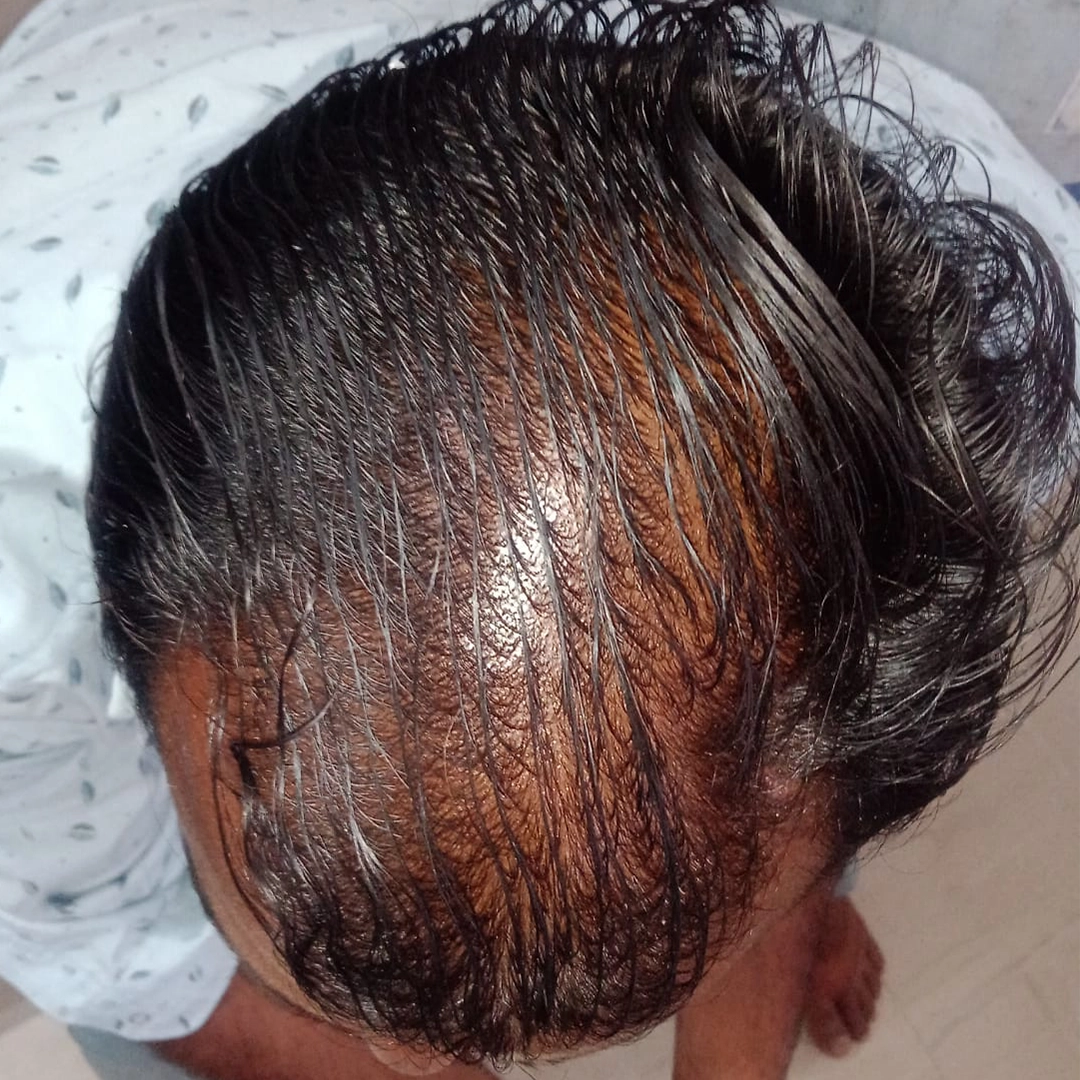
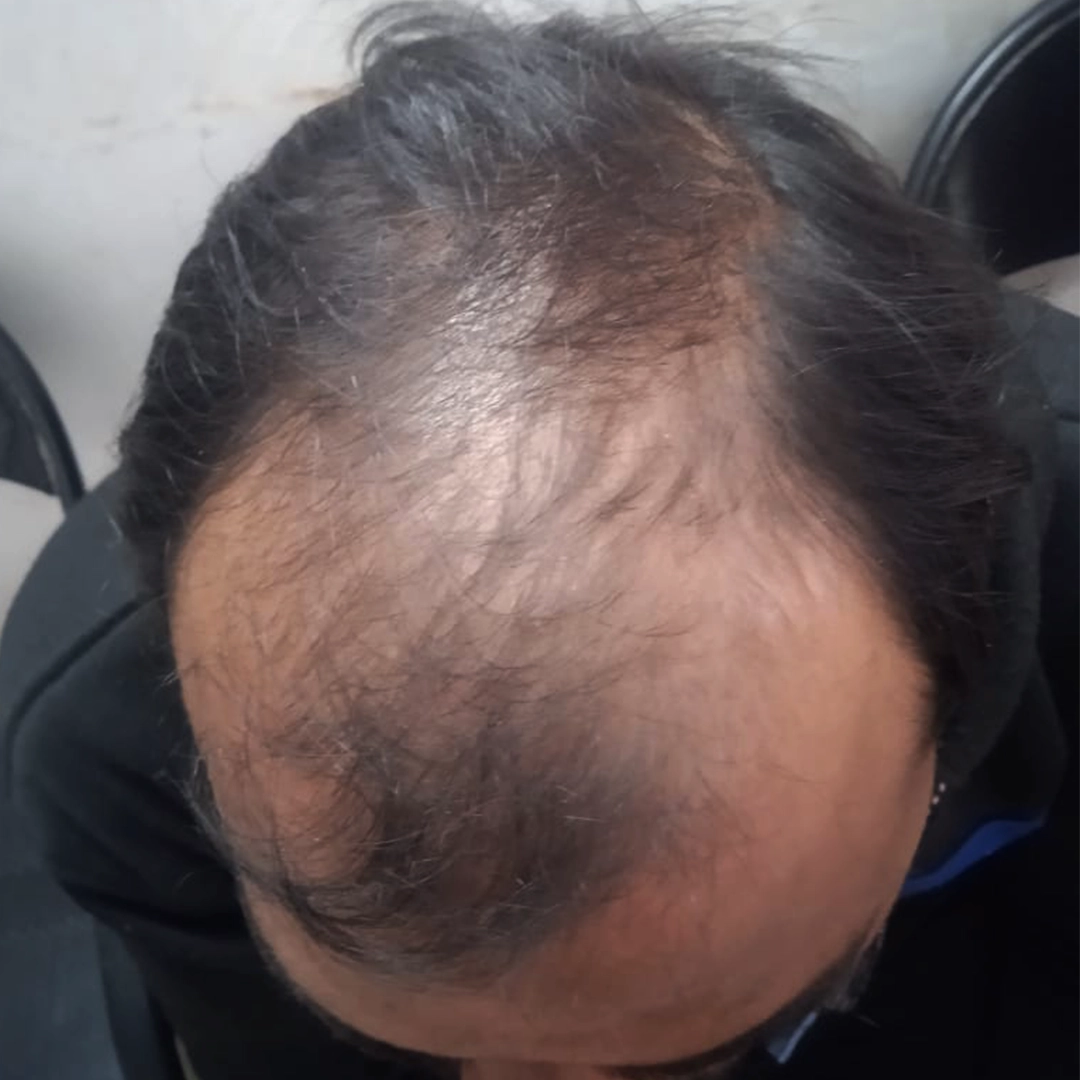
Issue: Noticeable hair thinning and reduced hair density, particularly around the crown area
1. Symptoms:
The patient experienced noticeable hair thinning, reduced hair density, and increased visibility of the scalp around the crown. Stress can be one of the factors that may contribute to excessive hair shedding and temporary hair thinning, especially when prolonged stress affects the normal hair growth cycle.
2. Treatment & Result:
After an online dermatology consultation, the patient was advised a personalised hair-loss management plan based on the underlying condition and individual needs. With consistent treatment, proper hair-care practices, and dermatologist guidance, visible improvement in hair density and scalp coverage was observed.
Before & After Results of Hair Loss Treatment
The before-and-after images show a visible improvement in scalp coverage and hair density around the crown area. This case highlights why identifying the underlying cause of hair loss is important. Stress-related hair loss may improve with timely care, stress management, and an appropriate treatment plan.
Before Hair Loss Treatment
After Hair Loss Treatment
Disclaimer: This is a real patient case, and the results shown are based on the patient’s individual treatment journey. Hair loss and treatment outcomes may vary depending on the underlying cause, individual condition, and response to treatment. Consult a dermatologist for proper diagnosis and personalised treatment.
Try Our Free Skin & Hair Photo Consultation
Not sure if you need a live consultation? No problem.
Get a free expert diagnosis through our online photo consultation. Just upload clear photos of your hair or scalp condition, and our dermatologists will review them and send you a personalized prescription.
It’s simple, fast, and completely free like chatting with a skin and hair expert, made hassle-free.
Use the coupon code FPCND100 for a photographic consultation to consult a dermatologist online for free on neodermatologist.com.
Click the links to explore our online dermatologist services and consult with a skin specialist from the comfort of your home!
Final Thoughts
If you're facing stress-induced hair loss, don't let it worsen - take action. Consult a professional. As a trichologist, I’ve helped many patients understand whether stress and anxiety cause hair loss, and how to reverse it with the right care.
Don’t carry the burden of stress alone - let your dermatologist handle it.
We’re here to support your recovery. Let’s help your hair (and your health) bounce back together.
Dr. Ruchir Shah M.B., D.V.D. | Registration No.: G-41460 A dermatologist specializing in tele-dermatology, offering expert care for skin, hair, and nail concerns. With extensive clinical experience, provides effective treatments for acne, hair fall, eczema, vitiligo, hives, scalp issues, ringworm, fungal infections, and more - all accessible through convenient online consultations.
Comments
mansi patel
This article clearly explains the connection between stress and hair loss. I wasn't aware that hair fall can start several months after a stressful event. The explanation about cortisol, the hair growth cycle, and stress-related hair loss was very easy to understand. Thank you, Dr. Ruchir Shah, for sharing such practical information.
Rahul Vora
I really appreciate how this post breaks down the connection between stress and hair loss. It's written in a way that's super easy to follow, even for those of us who aren't medical experts. It's great advice for anyone dealing with hair loss.
Looking for an online dermatologist or teledermatologist or a nearby skin specialist or an online dermatology consultation? Visit NeoDermatologist.com - your trusted platform for expert skin and hair consultations, available anytime, anywhere. Whether you need an online dermatologist consultation, dermatologist consultation online 24/7, acne treatment from a certified dermatologist, or advice from a ringworm specialist or hair doctor, we’ve got you covered. NeoDermatologist.com offers global, worldwide access, making it easy to connect with experienced and certified dermatologists from the comfort of your home. With flexible options like photo or video consultations and a quick response system, you can skip the wait and get the right treatment fast. So, if you’ve been searching for a "dermatologist near me," or looking for the dermatologist consultation online from anywhere remember that with NeoDermatologist.com, you can access expert online dermatologist consultations globally, no matter where you are in the world - bringing trusted skin care right to your screen.
I was suffering from ringworm infection for months, and nothing ...Read More
I was suffering from ringworm infection for months, and nothing seemed to work. Consulting Dr. Karma online was the best decision I made. The treatment was simple, effective, and I started seeing results within a week. I am completely recovered now and very thankful for his guidance.
Shruti Mehta
After years of dealing with cystic acne, I finally decided ...Read More
After years of dealing with cystic acne, I finally decided to give an online dermatologist a shot. I was a bit hesitant at first, but I was impressed by how quickly they responded. The doctor took the time to really understand my situation based on my photos and history. The treatment plan she proposed was a complete departure from the usual over-the-counter remedies I’d tried, and the results were incredible my skin started to clear up in just a couple of weeks! My breakouts are much more manageable now, my skin tone is looking great, and my confidence has soared. I highly recommend this for anyone facing stubborn acne!
Danish Vani
I started noticing white patches on my hands and face, ...Read More
I started noticing white patches on my hands and face, which made me very anxious about my appearance. After consulting an online dermatologist through NeoDermatologist, I finally understood my condition and the treatment options available. The doctor explained everything clearly and guided me step-by-step. Within a few months, I started seeing improvement and my confidence has improved a lot.
Heena
Since starting your treatment plan, which included oral as well ...Read More
Since starting your treatment plan, which included oral as well as topical medications, I've seen a dramatic improvement in my skin. My breakouts have significantly reduced, and the scarring has also diminished. thank you team neodermatologist.
Jiya Sharma
I was really struggling with hair loss from androgenetic alopecia. ...Read More
I was really struggling with hair loss from androgenetic alopecia. After I consulted with the online dermatologist at NeoDermatologist, I saw my hair fall decrease in just a few weeks. The treatment plan was easy to follow, effective, and kept under regular check. I can already spot some new growth and it’s made me feel so much more confident. I definitely recommend it!
Rohit Mehta
I had been struggling with continuous hair fall for almost ...Read More
I had been struggling with continuous hair fall for almost a year and was worried about my thinning hair. Since I live outside the city, regular clinic visits were difficult. I chose an online consultation with Dr. Ruchir Shah at NeoDermatologist, and it turned out to be the right decision. Dr. Shah patiently reviewed my photos, explained the reason behind my hair loss, and created a treatment plan that suited my condition. Within a few months of following the treatment and attending regular follow-ups, my hair fall reduced noticeably, and I could see gradual improvement in hair density. I truly appreciated the expert guidance, honest advice, and continuous support throughout my treatment journey.
Real Patient Before & After Treatment Results
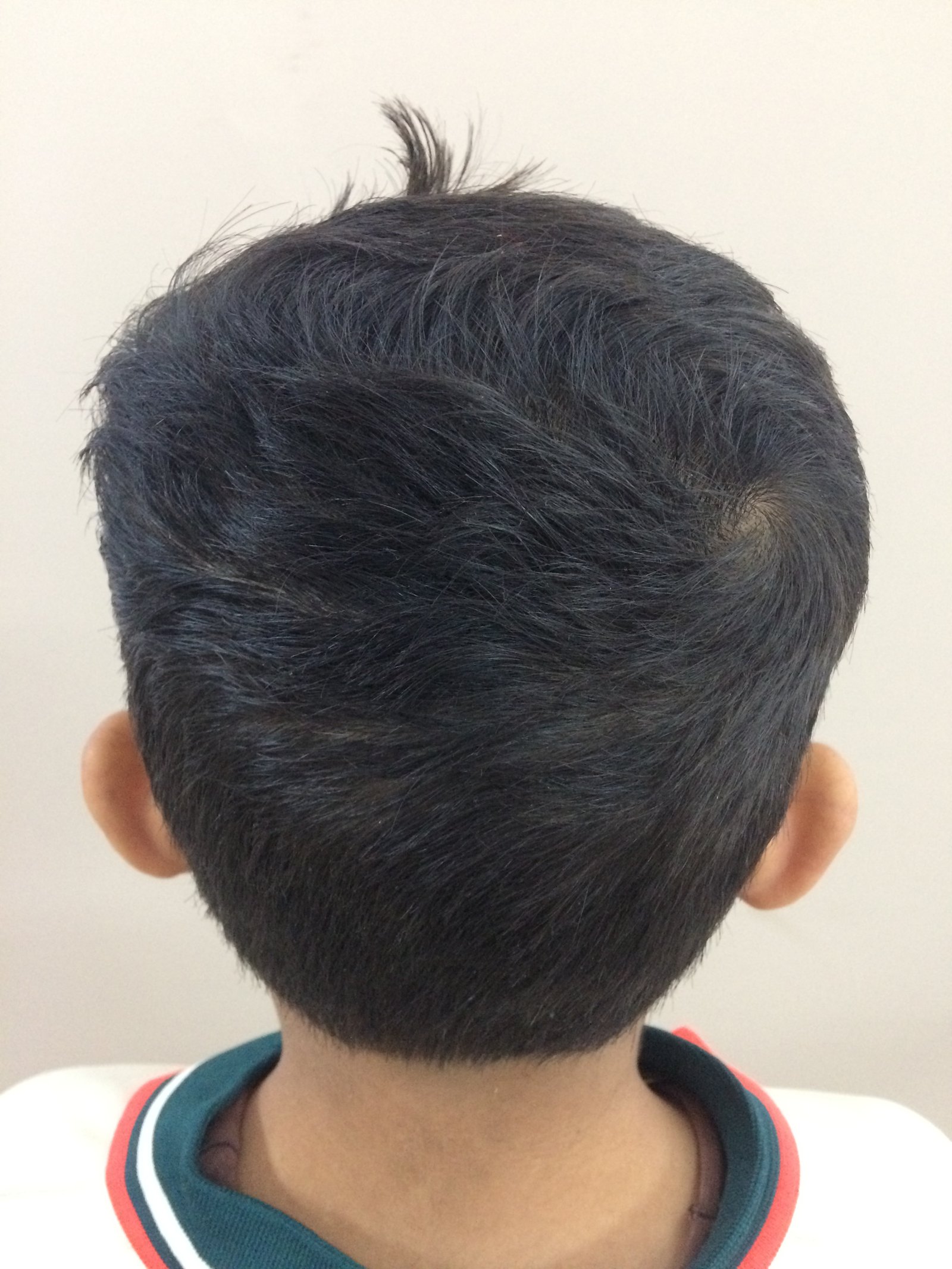
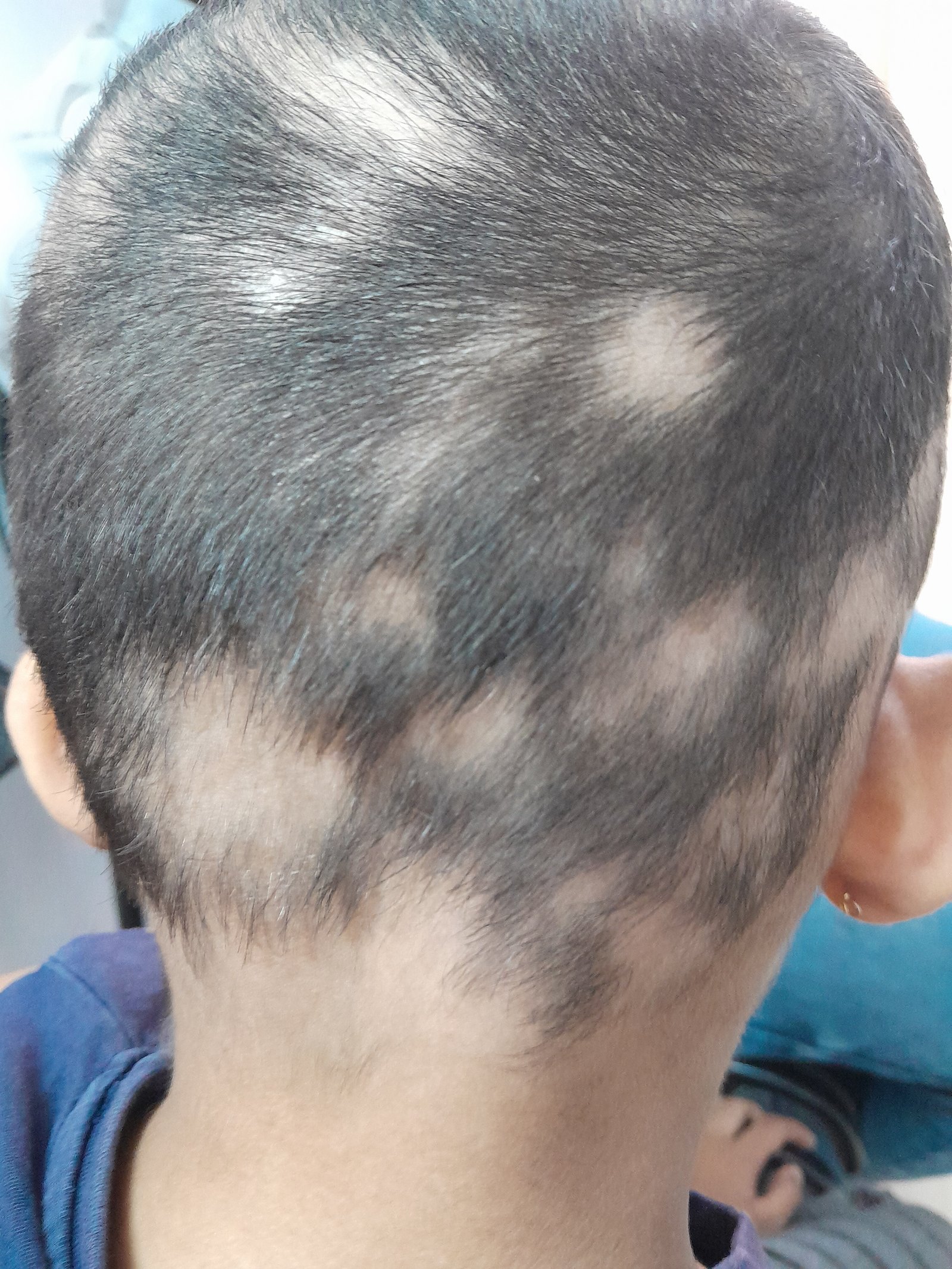
Alopecia Areata Treatment
➤ We are sharing the case of a young male child who presented with patchy hair loss primarily affecting the back of the scalp.
➤ The parents noticed sudden, round patches of hair fall over a span of 2–3 weeks. There were no signs of itching, scaling, or redness, ruling out tinea capitis initially.
➤ On consulting with our expert dermatologist, a clinical diagnosis of Alopecia Areata was considered based on the pattern and rapid onset.
➤ A tailored treatment plan was started, including topical corticosteroids, immune modulators, and supportive scalp care with regular follow-up.
➤ As seen in the after-treatment photo, significant hair regrowth was achieved over the course of a few months, with most bald patches now covered.
➤ The child is under periodic observation to monitor for any recurrence, and the family has been counseled on maintaining a stress-free environment and balanced nutrition to support long-term recovery.
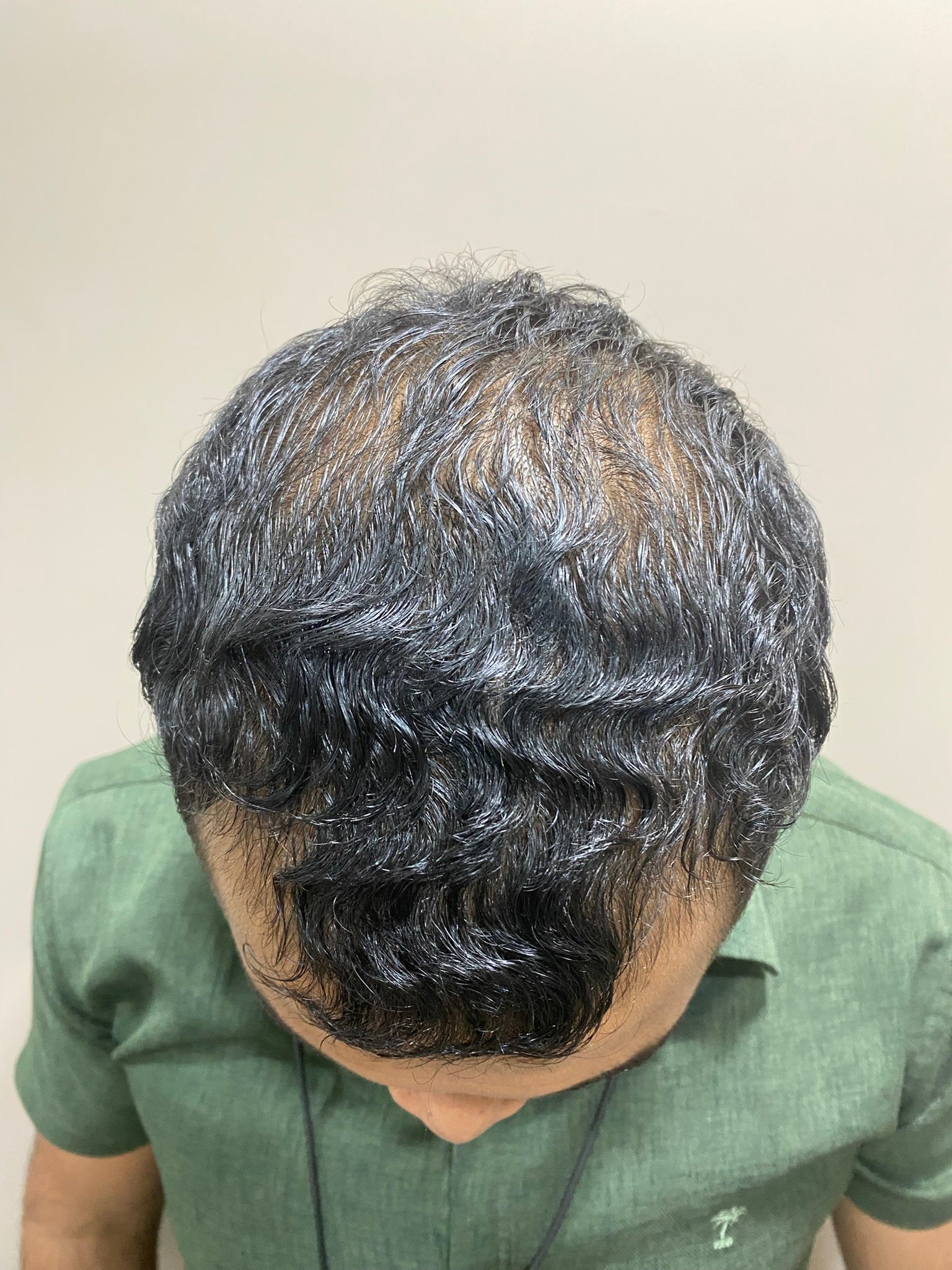
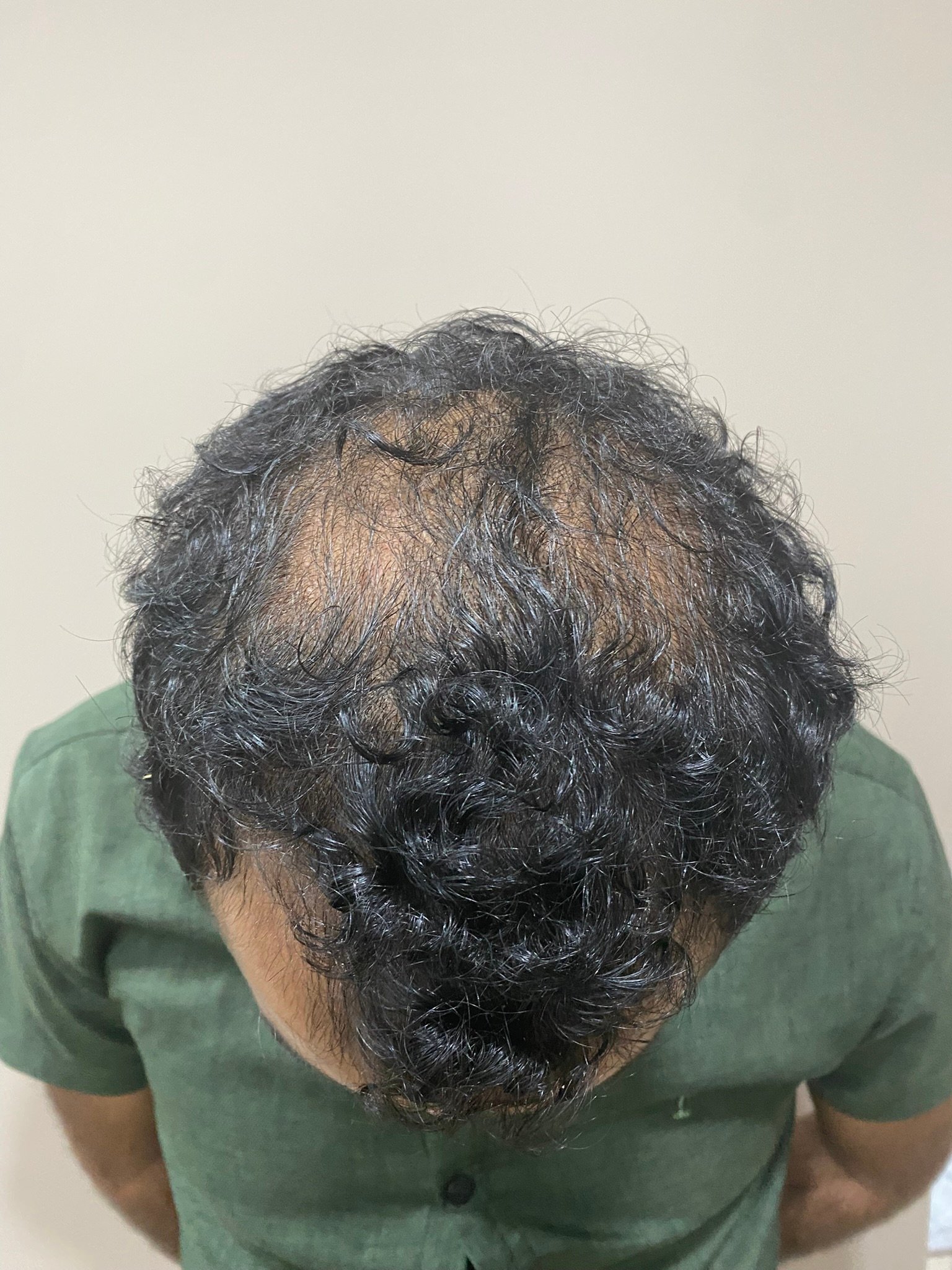
Hair Loss Treatment - Crown Area
➤ We have posted here photographs of a 34-year-old male patient with progressive hair loss and thinning in the crown (back top) area of the scalp.
➤ The patient had been experiencing worsening hair fall and reduced density for the past 2 years, despite trying home remedies, OTC products, and local clinic treatments.
➤ After reading informative content on our website via Google, he booked an online consultation with Dr. Ruchir Shah for expert advice.
➤ A personalized hair regrowth plan was prescribed, including topical applications, oral supplements, and a scalp care routine.
➤ Visible improvement was seen within 6–8 weeks, in terms of reduction in hair fall. Development of new hair follicles observed in few areas.
➤ The patient is continuing regular follow-ups and has been guided on proper hair care, do’s and don’ts, and long-term maintenance.
Hair Loss Treatment - Front Area
➤ We have posted here photographs of a 38-year-old male patient, diagnosed with AGA (grade-3 male pattern hair loss), showing significant hair thinning & balding over the frontal scalp & crown (top) region.
➤ The patient had been experiencing progressive hair fall & visible scalp exposure for the past 3 years, despite trying oils, shampoos, & multiple salon-based treatments.
➤ After finding our blogs and treatment details on Google, he booked an online consultation with Dr. Ruchir Shah.
➤ A personalized hair regrowth plan was prescribed, including topical solutions, oral supplements, and a scalp care routine.
➤ In 8–10 weeks, the patient saw reduced hair fall, improved texture, and early regrowth.
➤ He continues follow-ups with guidance on maintenance, lifestyle, and scalp health.
Yes, both physical and emotional stress can trigger hair loss conditions like telogen effluvium, where hair prematurely enters the shedding phase. Stress can also worsen existing hair loss issues.
Hair loss due to stress often begins 2–3 months after the triggering event. This delay happens because of the hair growth cycle, where stress pushes more hairs into the resting (telogen) phase.
Yes, in most cases, stress-related hair loss is temporary. With proper stress management, nutrition, and sometimes medical treatment, hair can grow back within 6–9 months.
You may notice sudden thinning, more hair in your comb or shower drain, or diffuse hair shedding across the scalp. These signs typically appear after a stressful event.
Managing stress through yoga, meditation, regular exercise, and a healthy diet can help. Consulting a dermatologist or trichologist for tailored treatment also ensures faster recovery.
Chronic, unmanaged stress may worsen certain hair conditions and lead to longer-term issues. However, in most cases, the hair loss is reversible with timely treatment and lifestyle changes.
If you experience any issues, such as login errors, payment problems, trouble uploading photos, difficulty chatting with SkinMate, or if you are not receiving accurate information and feel confused during the WhatsApp chat, you can contact our support team at +91 92 58 700 600 for immediate assistance.
In addition, if you have purchased medicines and need help with your tracking ID, knowing when the parcel will be delivered, checking where your medicines are, or have any other queries related to medicine purchase or delivery, our support team is also available to assist you right away.
 Hin
Hin En
En






Comments
mansi patel
This article clearly explains the connection between stress and hair loss. I wasn't aware that hair fall can start several months after a stressful event. The explanation about cortisol, the hair growth cycle, and stress-related hair loss was very easy to understand. Thank you, Dr. Ruchir Shah, for sharing such practical information.
Rahul Vora
I really appreciate how this post breaks down the connection between stress and hair loss. It's written in a way that's super easy to follow, even for those of us who aren't medical experts. It's great advice for anyone dealing with hair loss.
Post a comment