 Hin
Hin En
En


Different 6 Types of Pimple on Face? Causes, Identification & Online Treatment.
Introduction
Did you know that 90% of people with acne use the wrong treatment because they can't identify their pimple type correctly? Here's why: using a treatment designed for whiteheads on your blackheads won't help. Using a strong retinoid on sensitive pustules might make things worse. And trying home remedies on cystic acne? That's practically impossible without professional help.
The good news: you can learn to identify your exact pimple type in just 2 minutes using this guide. Once you know which type you're dealing with, treating it becomes 80% more effective.
What are the different types of pimples that appear on the face, and how do you treat each one effectively?
Are you confused between blackheads, whiteheads, papules, pustules, nodules, or cystic acne?
Hello, I'm Dr. Karma Patel, a board-certified dermatologist with 10+ years of experience in clinical dermatology and tele-dermatology. Over the years, I've helped thousands of patients with pimple treatment online, providing accurate diagnosis and personalized treatment plans. According to the American Academy of Dermatology, proper pimple identification is the first step toward 75%+ improvement in acne within 8-12 weeks of treatment.
If you are searching for the best online dermatology consultation for pimples, blackheads, or whiteheads, you can consult a certified dermatologist at Neodermatologist.com from the comfort of your home.
In today’s blog, we’ll break down all types of pimples, how to identify them on your face, and the best dermatologist-recommended treatment options for each.
What Are Pimples or Acne?
Pimples, also known as acne, zits, or breakouts, are a skin condition in which the openings of hair follicles become clogged with oil (sebum), dead skin cells, and bacteria, leading to inflammation. Medically, this condition is called Acne Vulgaris. In simple terms, acne means pimples.
They most commonly appear on the face but can also occur on the back, chest, and shoulders because these areas have more active oil-producing glands. Acne is most common during adolescence, but many adults also experience pimples in their 20s and 30s, or even later in life.
Pimples commonly appear on the face, nose, chin, forehead, chest, and back. They can look different depending on their type and severity - some develop on the surface of the skin, while others form deeper within the skin.
Why Do Pimples Occur?
Pimples do not develop due to a single cause. They usually result from a combination of several factors:
- Excess oil (sebum): The skin's oil glands may produce more oil than needed, which can contribute to clogged pores.
- Clogged pores and bacteria: When oil and dead skin cells build up inside the pores, normal skin bacteria (C. acnes) can multiply and trigger inflammation.
- Hormonal changes: During puberty, before periods, pregnancy, and conditions such as PCOS, hormonal changes can increase oil production and contribute to acne.
- Genetics: If your parents had severe acne, you may also have a higher chance of developing it.
- Products and medications: Heavy or comedogenic creams, greasy hair oils, certain medications, and steroid-containing creams can make acne worse.
- Friction and sweat: Helmets, masks, tight clothing, or frequently touching the face can irritate the skin and contribute to clogged pores.
- Stress and diet: These are not direct causes of acne, but they may worsen breakouts in some people. Read more about this in our articles on Acne and a Balanced Diet and **Acne and Stress.
A common misconception: Acne is not caused by dirt. Washing or scrubbing the face too frequently does not clear clogged pores; instead, it can irritate the skin and increase inflammation.

Types of Pimples on Face (with Causes & Reasons)
1. Whiteheads (Closed Comedones)
- Excess oil due to hormonal changes
- Dead skin buildup is blocking pores
- Heavy creams or oily products (a common cause of forehead whiteheads)
- Sweat & pollution accumulation
Why they appear on the forehead: The forehead is part of the “T-zone,” where oil glands are more active, making whiteheads very common.
2. Blackheads (Open Comedones)
- Open clogged pores exposed to air → oxidation
- Excess sebum
- Poor exfoliation
- Humid weather
3. Papules
- Bacterial growth in clogged pores
- Excess oil production
- Touching or picking at skin
- Hormonal shifts
4. Pustules
- Infection inside blocked pores
- Skin inflammation due to bacteria
- High sugar or dairy intake (common dietary trigger)
- Hormonal fluctuations
5. Nodules
- Deep inflammation
- Hormonal imbalance
- Genetic tendency
- Untreated acne buildup
6. Cysts
- Severe hormonal imbalance
- Overactive oil glands
- Family history
- Bacterial infection deep in skin
Types of Acne at a Glance: Comparison Table
| Type | Can It Be Treated at Home? | Is a Doctor Needed? | Common Areas | Time to Improve |
| Whiteheads | Yes (BHA/SA) | No | Cheeks, chin | 4 to 8 weeks |
| Blackheads | Yes (SA, charcoal) | No | Nose, forehead | 4 to 8 weeks |
| Papules | Limited | Sometimes | Face, back | Individual pimple: days to 2 weeks; preventing new breakouts: 6 to 8 weeks |
| Pustules | Limited | Sometimes | Face, chest | Individual pimple: days to 2 weeks |
| Nodules | No | Yes (necessary) | Jawline, back | Weeks to months |
| Cysts | No | Yes (promptly) | Face, widespread areas | Months |
Which Type of Acne Takes the Longest to Heal?
After learning about the different types of pimples, people often ask how long each type takes to heal. The simple answer is: the deeper the pimple, the longer it usually takes to improve. Whiteheads, blackheads, and superficial papules and pustules generally improve faster, while nodules and cysts take the longest because the inflammation occurs deeper within the skin.
One more thing to keep in mind: even after starting the right treatment, it usually takes a few weeks to see noticeable improvement on the face. In the initial days, your skin may become slightly dry, or breakouts may even appear to increase temporarily. So, instead of changing your medication after 2 to 3 days, continue the treatment for the duration recommended by your doctor.
Dermatologists grade acne based on severity. **According to DermNetNZ**, acne can be classified into four grades based on the number and type of lesions:
- Grade 1 (Mild): Mostly whiteheads and blackheads, few papules (red acnes)
- Grade 2 (Moderate): Whiteheads, blackheads, more papules, few pustules
- Grade 3 (Severe): Papules, pustules, some nodules
- Grade 4 (Very Severe): Nodules and cysts in clusters

Where Do Pimples Appear?
Where your pimples appear often tells you what's causing them. Different face and body areas have different skin characteristics and triggers.
Forehead Pimples
- Most common type: Whiteheads and blackheads
- Causes: Oily scalp, hair product buildup, sweat, friction from hats
- Prevention: Use oil-free haircare, avoid touching forehead, wash face after sweating
Chin & Jawline Pimples
- Most common type: Painful papules and pustules (especially in females)
- Causes: Hormonal fluctuations (menstrual cycle), stress, dairy consumption
- Prevention: Track menstrual cycle, reduce dairy if sensitive, manage stress
Cheek Pimples
- Most common type: Mixed (whiteheads, papules, pustules)
- Causes: Phone bacteria, touching face frequently, pillowcase bacteria
- Prevention: Clean phone screen daily, avoid touching face, change pillowcase 2-3x weekly
Types of Pimples on Forehead (Most Common)
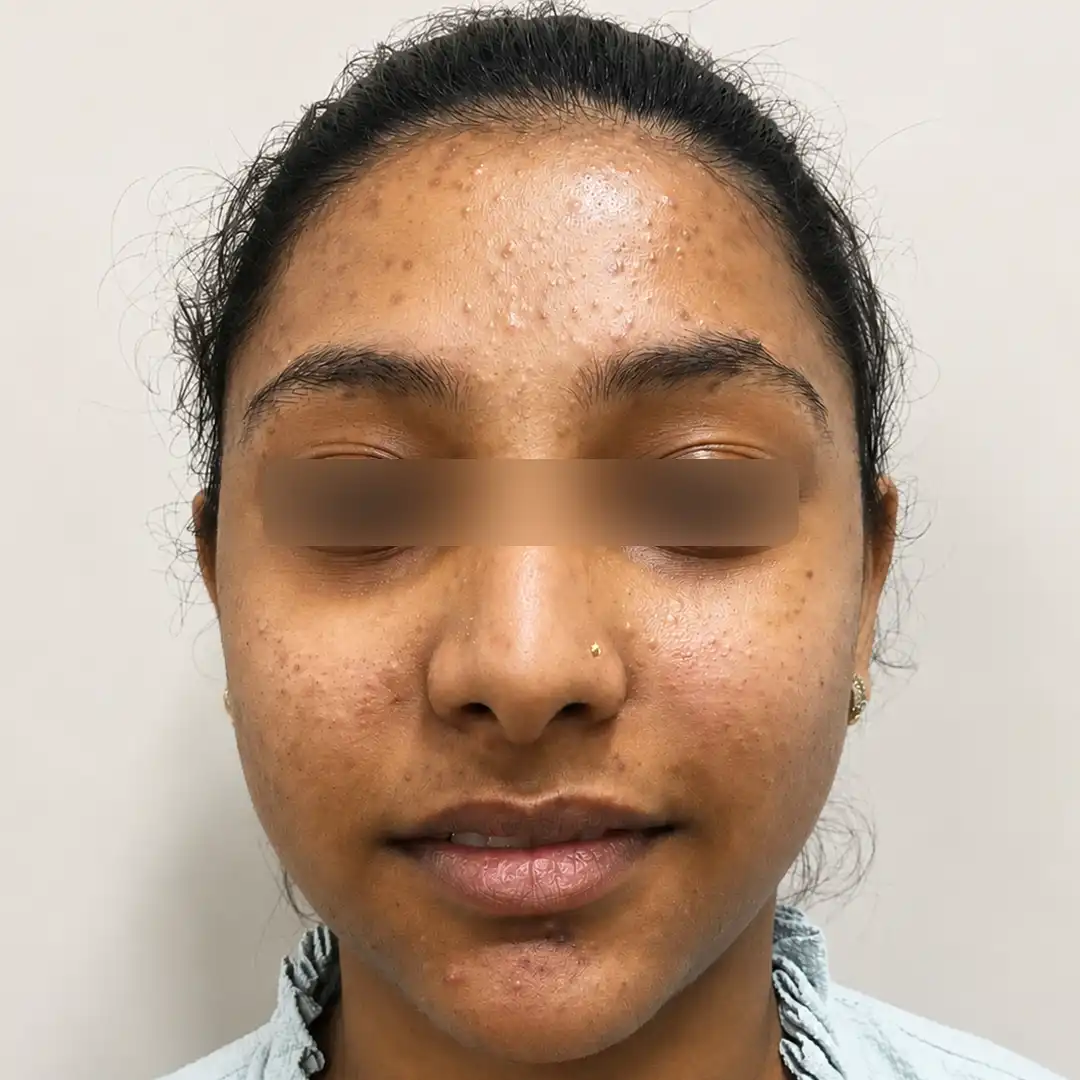
The forehead is one of the most common areas for acne due to its high oil gland activity and constant exposure to sweat, pollution, and hair products. The most common types of pimples on the forehead include:
1. Forehead Whiteheads: Caused by oily scalp, sweating, and residue from hair oils, gels, and serums.
2. Forehead Blackheads: Triggered by clogged pores, especially in people with oily skin or dandruff.
3. Small Red Papules: Often seen due to friction from helmets, caps, or touching your forehead frequently.
4. Pustules on Forehead: Occur when sweat mixes with bacteria trapped under the skin.
5. Forehead Nodules or Cysts: Deep, painful forehead pimples caused by hormones or chronic inflammation.
Effective Pimple Treatment Options
If you're searching for pimple treatment, here are some tips:
- Whitehead treatment at home: Use gentle exfoliants like BHA
- Blackhead removers: Charcoal peel masks, salicylic acid
- Pimple-type rash on face: Avoid using heavy creams or comedogenic products
- For stubborn pimples: Consult a dermatologist for a personalized treatment plan
Why Identifying Pimple Types Matters
Understanding the types of pimples and their causes is essential because each pimple needs a different treatment approach. For example, using strong acne products on sensitive skin or applying home remedies on cystic acne can make inflammation worse. Mild pimples like whiteheads and blackheads can often be managed with simple routines - but deeper, painful bumps such as nodules and cysts require medical care.
When you know the types of pimples and reasons behind them - especially the types of pimples on the forehead caused by sweat, oil, or hair products - you can choose the right treatment and prevent new breakouts. This improves results, reduces scarring, and helps you get clearer skin faster.
When to See a Dermatologist
If you have:
- Repeated breakouts
- Painful or deep pimples
- Pimples that leave marks or scars
- No improvement with OTC creams
- Consult a skin specialist doctor. He will diagnose your pimples accurately and recommend the right acne (zits) treatment plan, while also helping you understand what causes different types of pimples and how to prevent future breakouts.
Final Thoughts
Understanding the different types of pimples on the face and the types of pimples and their causes is the first step toward effective acne management. Whether you’re dealing with blackheads on the nose, whiteheads on the chin, pustules on the forehead, or painful cystic pimples, identifying the exact type helps you choose the right treatment. When you know the types of pimples on the forehead and their reasons, you can treat them early, avoid irritation, and achieve healthy, clearer skin.
If you are looking for a different service, please click on Hair loss Treatment, General Skin Consultation, Inner parts Itching Treatment, Vitiligo Treatment, Psoriasis Treatment, Scabies Treatment, Urticaria Hives Treatment, Ringworm Treatment, Skin Care Consultation Treatment Online.
Explore More: Check out other acne/pimple/zit-related blog posts:
Understanding and Treating Common Skin Woes.
Thank You!
M.B.,F.M.D.C. | GMC Reg: G-53014
A dermatologist specializing in online consultations for skin, hair, and nail concerns. Offers expert care for acne, pigmentation, eczema, scabies, ringworm, scalp infections, dandruff, psoriasis, vitiligo, hives, and hair loss, providing effective, personalized treatment solutions from the comfort of home.






Comments
Neha
Mujhe pehle lagta tha sab pimples same hote hain, but is blog se different pimple types aur unke treatment ka difference clearly samajh aaya. Really helpful information!
Shailesh
Chehare pr tana nikla hai do kaise thik hoga kyuki bahut dino se ho raha hai thik hi nahi ho rahi hai
Ravina
Pimple acne open pors
Helena Elikson
Hi, I have pimples on my forehead and scars on my cheeks
Mauli Sharma
Hi I have one problem on my face two dark spots are not going please help me
Sujal Shah
Very informative post! Knowing when to consult an online dermatologist can make a big difference. I’d love to see more insights on the Types of Pimples (Zits) in future posts, as many people struggle with identifying them correctly. Keep up the great work!
Post a comment