 Hin
 En




Foods That Cause Pimples & Acne: A Dermatologist-Reviewed Guide & Treatment
Introduction
Medically reviewed by Dr. Karma Patel, Consultant Dermatologist, NeoDermatologist
Quick answer: Foods that cause pimples most often are high-sugar, high-glycemic foods (sweets, white bread, instant noodles, sugary drinks) and cow’s milk, especially skim milk. Some people also react to whey protein. Food is a trigger, not the root cause, because hormones, genetics and stress matter more. The evidence is stronger for sugar and dairy than for chocolate, mango or spicy food.
If your skin breaks out after sweets, fried snacks or a bowl of ice cream, it is natural to wonder whether food is the problem. Our dermatologists hear this question almost every day, and the honest answer is: sometimes, and not for everyone.
Food rarely acts alone. Still, for acne-prone skin it is one of the few triggers you can actually control. In this guide, Dr. Karma Patel explains which pimple causing foods have real evidence behind them, which are mostly myths, what to eat for clearer skin, and when it is time to stop experimenting and speak to a dermatologist.
At a glance:
- Strongest evidence: high-glycemic foods and cow’s milk (skim milk shows the strongest link).
- Weaker or unproven: cocoa, mango, spicy food and most whole fruits.
- One meal does not cause one pimple. Pimples take days to weeks to form.
- Track your own pattern for 4 to 6 weeks before cutting out entire food groups.
- Diet supports treatment. It does not replace it for moderate or severe acne.
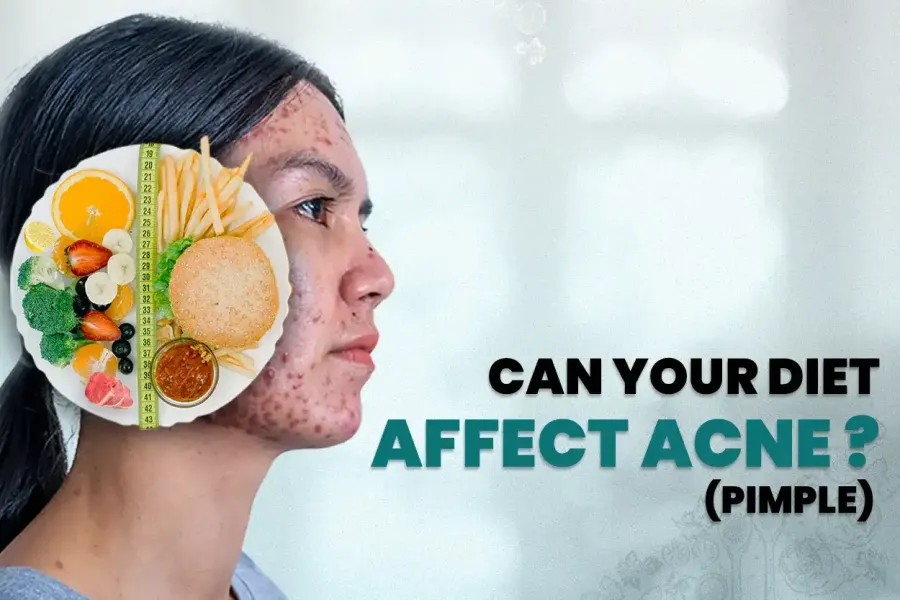
Let’s understand the science behind diet and acne.
What Foods Cause Pimples? What the Research Actually Shows
Acne starts when pores clog with excess oil (sebum) and dead skin cells, bacteria multiply, and the skin becomes inflamed. Hormones called androgens drive oil production, which is why acne is so common during puberty, around periods and in conditions like PCOS.
Food enters the picture through blood sugar and growth hormones. High-glycemic foods are digested quickly and push blood sugar and insulin up. Higher insulin can raise IGF-1, a growth factor, and androgen activity, and both can increase oil production and inflammation. Cow’s milk also contains hormones and growth factors that may act in a similar way.
Here is the part many articles skip: the evidence is real but limited. Most studies are observational or small, so they show an association rather than proof. The American Academy of Dermatology (AAD) notes that some studies link low-glycemic diets with fewer pimples and that cow’s milk has been linked to breakouts, while stressing that diet is only one part of acne care. You can read the AAD’s overview of diet and acne for the studies behind this.
That is why the link between diet and pimples is so personal: the same food can leave one person’s skin untouched and trigger breakouts in another.
So, Are you wondering if your skin is affected after eating foods that cause pimples and searching for online dermatology consultations? or looking for a certified dermatologist or online pimple treatment to learn about it. We have a certified dermatologist with a special interest in tele-dermatology. We have consulted many patients online who have acne.
We have a team of dermatologists Dr. Ruchir Shah and Dr. Karma Patel who are specialised in diagnosing and treating your acne.
You can explore our Acne Treatment Online service and choose between photographic or video consultations with an experienced dermatologist. If you're consulting for the first time, you may also be eligible for a free photographic consultation. So, if you're looking for a free online skin doctor consultation? NeoDermatologist allows you to get expert skin advice from certified dermatologists at zero fees through fast, photo-based assessments.
If you’re struggling with pimples, acne breakouts, blackheads, whiteheads, or acne scars and are unsure which acne treatment is right for your skin, consult our dermatologists for personalized guidance. Our Free Dermatologist Consultation Online offer covers your next photo follow-up for the same concern after your first paid consultation. Upload updated photographs so your dermatologist can review your progress. Use code FPCND100 to access your free online dermatologist consultation on your eligible next photo follow-up. Simply upload photos and start your 1st photo consultation paid and get next photo follow-up free available for acne treatment online consultation within seconds.
What we offer - Your first photo consultation costs ₹50 if you are living in India and if you are living outside India get photo consultation just at $4 . So dont wait, If you’re looking for a free online skin doctor consultation, we offer your next photo follow-up for the same concern free after completing your prescribed treatment course.
Click On The Link To Watch the Video: Acne and Diet Unveiled! How Your Food Affects Your Skin
Here In this blog, I am going to discuss and share my thoughts on acne and diet and will tell you about the foods that causes pimples and foods that can help you remove the pimples that you have.
A lot of people talk about acne and diet, the role of diet in causing acne breakouts and worsening the existing acne lesions. Let us explore the possible link between food and acne if any, and how diet may contribute to acne breakouts and what you should eat and avoid to help manage your skin health.
Understanding Acne
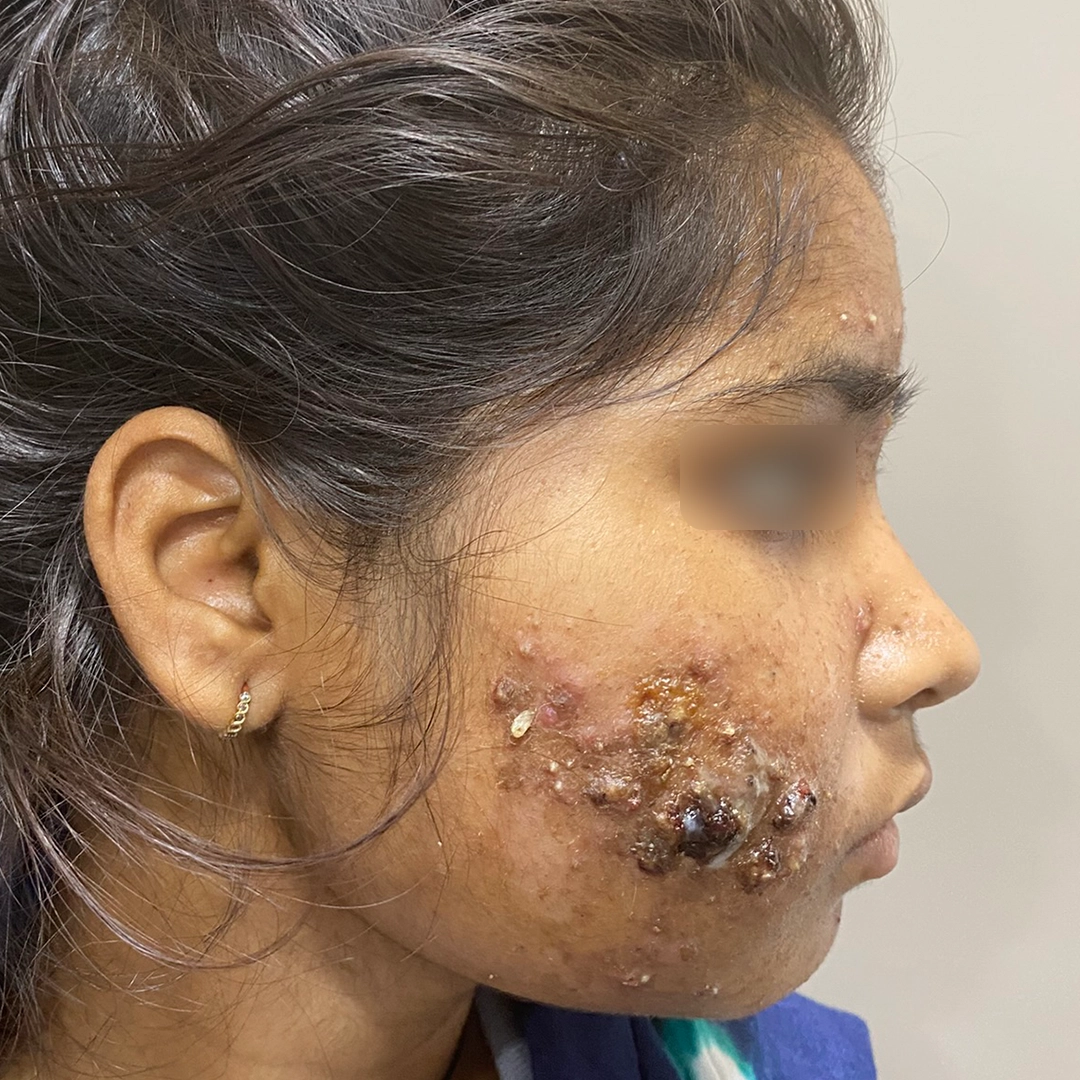
Acne is a skin condition that shows up in several forms - blackheads, whiteheads, papules, pustules, and cysts. Though these pimple types commonly affect the face, they can also appear on the back, chest, and shoulders.
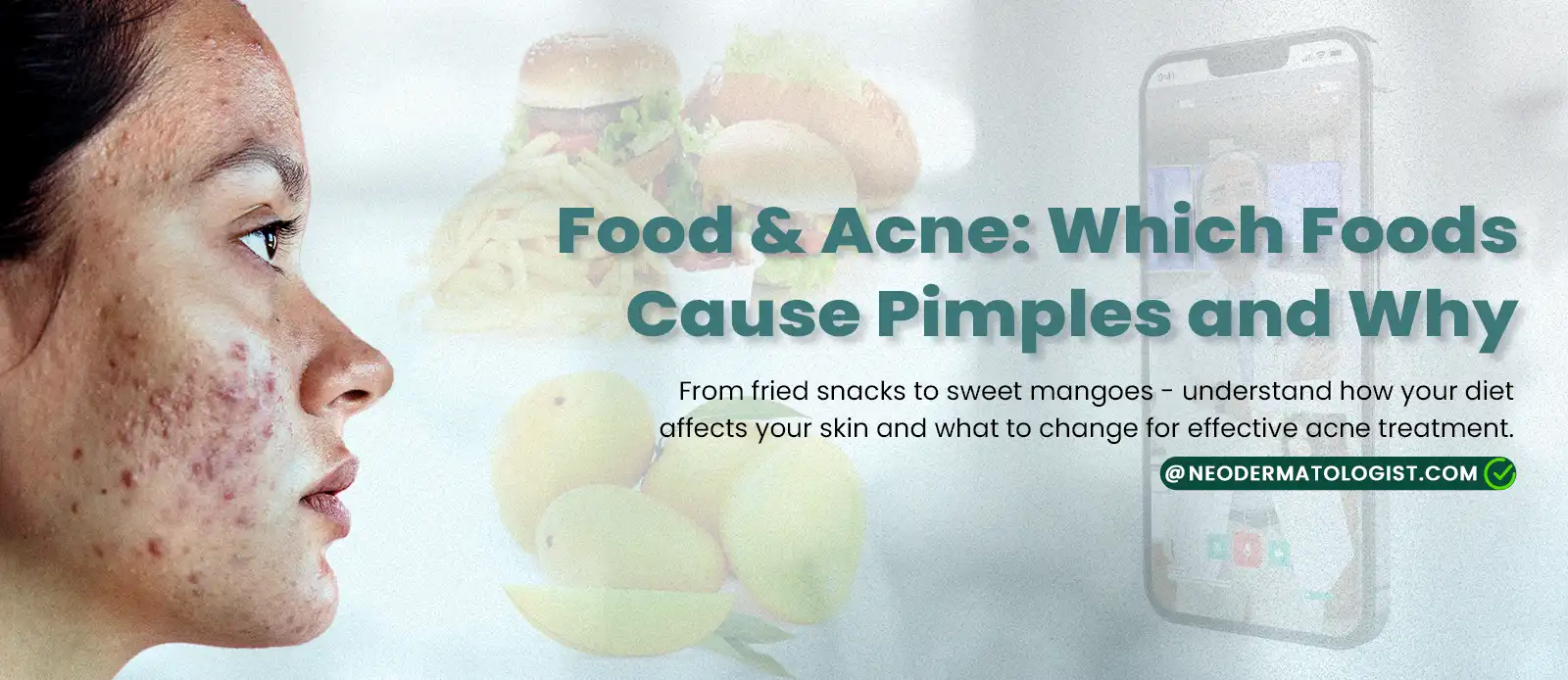
Hormones and genetics play the biggest role in acne, but foods that cause pimples are often overlooked as a contributing factor. Here's what the research actually says about diet and breakouts.
Foods That Cause Pimples: Quick Reference Table
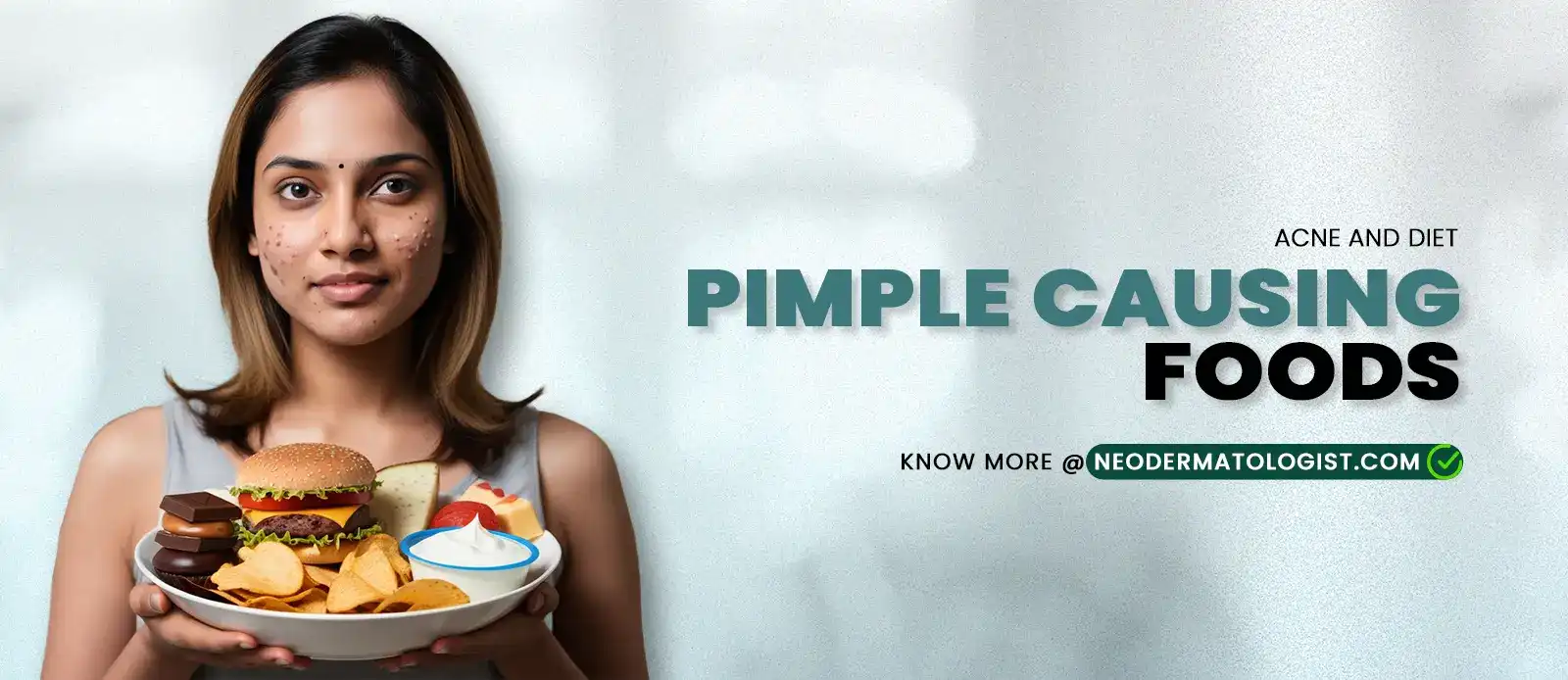
Foods that are believed to contribute to the development of acne in other words foods that causes pimples:
Below are the foods most consistently linked to acne breakouts in dermatology research - what the science says, and how strong the link really is.
| Food / Trigger | Why It May Cause Pimples | How Strong Is the Evidence? |
| High-sugar & high-glycemic foods | Spikes insulin, which can raise androgen and sebum (oil) production - clogging pores | Moderate - correlation shown, not guaranteed for everyone |
| Chocolate | Common myth; it's the sugar content, not the cocoa, linked to breakouts | Weak for cocoa itself; moderate for added sugar |
| Oily & fried foods | Unhealthy fats + high-glycemic coating can raise inflammation and sebum | Moderate - especially relevant in Indian diets with frequent fried food |
| Milk & dairy (esp. skim milk) | Contains IGF-1, linked to increased oil production | Moderate - AAD-cited; keeping under 500ml/day may help |
| Mango (in excess) | High natural sugar + “heating” effect in traditional belief | Weak/anecdotal - no strong clinical evidence; moderation is reasonable |
| Spicy food | May cause flushing and sweating; no proven link to acne | Very weak |
Below every points explain in details:
1. Sugar and High-Glycemic Foods
If there is one food cause of pimples with the strongest evidence, it is a high-glycemic diet. These are foods that raise blood sugar quickly: sweets and mithai, large portions of white bread and white rice, biscuits, instant noodles, packaged snacks and sugary drinks. Among all the foods that cause acne, high-glycemic foods have the most research behind them. In some studies, people who moved to a low-glycemic diet had fewer pimples after around 12 weeks.
Not everyone who eats sugar gets acne, though. Your hormones, genetics and skin type decide how much it matters for you.
2. Milk and Dairy
Several large studies have linked cow’s milk with acne. According to the AAD, whole, low-fat and skim milk have all been associated with breakouts, and skim milk shows the strongest link in some studies. The picture for yogurt and cheese is less clear. Because much of this research relies on people remembering what they drank years ago, it shows a link, not proof.
If you suspect milk, try cutting back for 4 to 6 weeks and watch your skin. Do not remove dairy for good without a plan: milk and curd are major sources of calcium and protein in many Indian diets, especially for teenagers, pregnant women and older adults.
3. Whey Protein and Other Supplements
Gym-goers often ask about this one. Some people notice new breakouts after starting whey protein, and small case reports describe acne flares in young athletes. The research is limited, but if your acne started or worsened after a new supplement, pause it and tell your dermatologist. Anabolic steroids and some unregulated “muscle-building” products can trigger severe acne, so always mention them.
4. Oily and Fried Foods: Do They Really Cause Pimples?
Eating oily food does not directly “add oil” to your face. But a diet heavy in samosas, pakoras, fried snacks and fast food is usually also high in refined carbs and low in fibre, and that combination can add to inflammation and oil production. Research is mixed, so treat fried food as something to limit rather than a proven culprit.
There is one more practical point. Oil on the outside matters too. Cooking in a hot kitchen or touching your face with oily hands can leave grease on the skin, which may add to clogged pores in some people. Wash your face and hands after cooking or eating fried snacks.
5. Foods That Cause Pimples and Oily Skin
Many readers searching for the foods that cause pimples and oily skin are really asking one thing: does what I eat change how oily my skin gets? Possibly, yes. Skin oil is mostly controlled by hormones, and diets that spike insulin and IGF-1 may nudge oil production up.
If your skin is both oily and pimple-prone, these steps are a sensible start:
- Cut back on sweets, sugary tea, cold drinks and white-flour snacks.
- Choose whole grains such as jowar, bajra, oats and brown rice over refined flour.
- Fill half your plate with vegetables and add dal or another protein.
- Keep fried food as an occasional treat.
- Use a gentle, oil-free cleanser twice a day. Diet cannot replace skincare.
6. Chocolate
Studies have not shown that cocoa on its own causes acne. The usual suspects are the sugar and milk in most chocolate bars. If you notice breakouts after chocolate, try a small portion of dark chocolate with less sugar and see whether your skin reacts.
7. Does Mango Cause Acne? What About Other Fruit?
This question spikes every summer. There are no good clinical trials showing that mango causes pimples, and the traditional belief that mango is “heating” is not backed by research. Mango does contain a lot of natural sugar, so several mangoes a day or sweetened mango shakes may act like any other high-sugar food for sensitive skin. A normal portion is unlikely to be the cause. Whole fruits such as apple, banana, papaya and citrus are generally fine for acne-prone skin, and their fibre slows sugar absorption. Fruit juice is different: it delivers sugar faster, so limit it.
8. Will Spicy Food Cause Acne?
There is no strong evidence that spicy food causes acne. Chilli can make you flush and sweat, which may irritate skin that is already inflamed. If you see breakouts after very spicy meals, cut back, but there is no need to give up spice completely.

Other Acne Triggers to Rule Out
Diet is only one piece of the puzzle. Before assuming food is the cause, it's worth ruling out these equally common triggers:
- Hormonal fluctuations (puberty, menstrual cycle, PCOS)
- Stress - see our related guide on acne and stress
- Comedogenic skincare or makeup that clogs pores
- Genetics and family history
- Certain medications
If you've cleaned up your diet and breakouts persist, the cause is likely one of the above - a dermatologist consultation can help pinpoint it.
Pimple Removing Foods: What to Eat for Healthy Skin
Alongside cutting back on trigger foods, these food groups support clearer skin from the inside out:
| Food Group | Examples | Why It Helps |
| Omega-3 rich foods | Salmon, flaxseeds, chia seeds, walnuts | Anti-inflammatory - may reduce breakout severity |
| High-fibre fruit & veg | Apples, bananas, butternut squash, lentils | Antioxidants + vitamins support skin repair |
| Vitamin C-rich foods | Citrus fruits, amla, bell peppers | Supports collagen production and skin healing |
| Vitamin A-rich vegetables | Carrots, spinach, sweet potatoes | Regulates skin cell turnover |
| Zinc-rich foods | Pumpkin seeds, chickpeas, lentils | Zinc has documented anti-inflammatory, anti-acne properties |
| Water | 2–3L/day | Supports skin hydration and barrier function |
Keep in mind, Even the best diet can't guarantee pimple-free skin if other triggers are at play. A well-rounded diet, combined with the right skincare and, where needed, medical treatment, tends to work best.
How Long After Eating Does a Pimple Appear?
A pimple builds under the skin over days to weeks, so the sweets you ate yesterday are rarely the reason for the pimple you see today. Look for patterns across weeks instead: more breakouts during festival season, exam time, or after starting a new supplement. A food diary (see below) makes these patterns visible.
Acne Causing Foods List: Limit, Test and Usually Fine
This acne causing foods list is built around the strength of evidence, not fear. Start with the first column, then test the second column one item at a time.
| Limit first | Test one at a time | Usually fine |
| Sweets and mithai, Sugary drinks and packaged juices, White bread, biscuits, instant noodles, Frequent fried snacks and fast food | Cow’s milk (especially skim), Whey protein, Sugary chocolate, Very large portions of mango or mango shakes | Vegetables, dal and legumes, Whole grains (jowar, bajra, oats), Whole fruits, Nuts and seeds, Plain water |
So many patients ask us during online consultation, I Have Acne. Which Foods Should I Avoid and What Other Lifestyle Changes Should I Make?
Short answer: Limit sugary, high-glycemic foods and notice whether milk or whey protein worsens your skin. Then support your skin with gentle cleansing twice a day, no picking, regular sleep, stress control and non-comedogenic products. If breakouts continue after 6 to 8 weeks, see a dermatologist, because diet alone rarely clears moderate acne.
Lifestyle changes that help:
- Wash your face twice daily with a gentle cleanser, and after heavy sweating. Avoid harsh scrubbing.
- Do not pick or squeeze pimples. It raises the risk of dark marks and scars.
- Choose oil-free, non-comedogenic moisturisers, sunscreens and makeup.
- Sleep regularly and find a stress outlet. Stress can worsen acne in many people; read our guide on acne and stress.
- Keep things that touch your face clean: phone screen, pillowcase, towels, helmet straps.
- Check hair oils and styling products that touch your forehead and hairline.
- Review any new supplement or medicine with your doctor.
- Keep using the treatment you have been prescribed. Diet supports it; it does not replace it.
When Should You See a Dermatologist for Diet-Linked Acne?
If you're experiencing any of the following, it’s a good idea to consult a dermatologist:
- You've made dietary changes but acne persists or worsens
- You're unsure which foods might be triggering your breakouts
- You’re experiencing painful, cystic, or deep pimples
- Your acne is leaving dark marks or scars
- Over-the-counter creams or home remedies aren't working
A certified skin specialist can help you identify if your acne is truly linked to dietary factors like sugar, oily food, or dairy, and guide you with a personalized treatment and food plan.
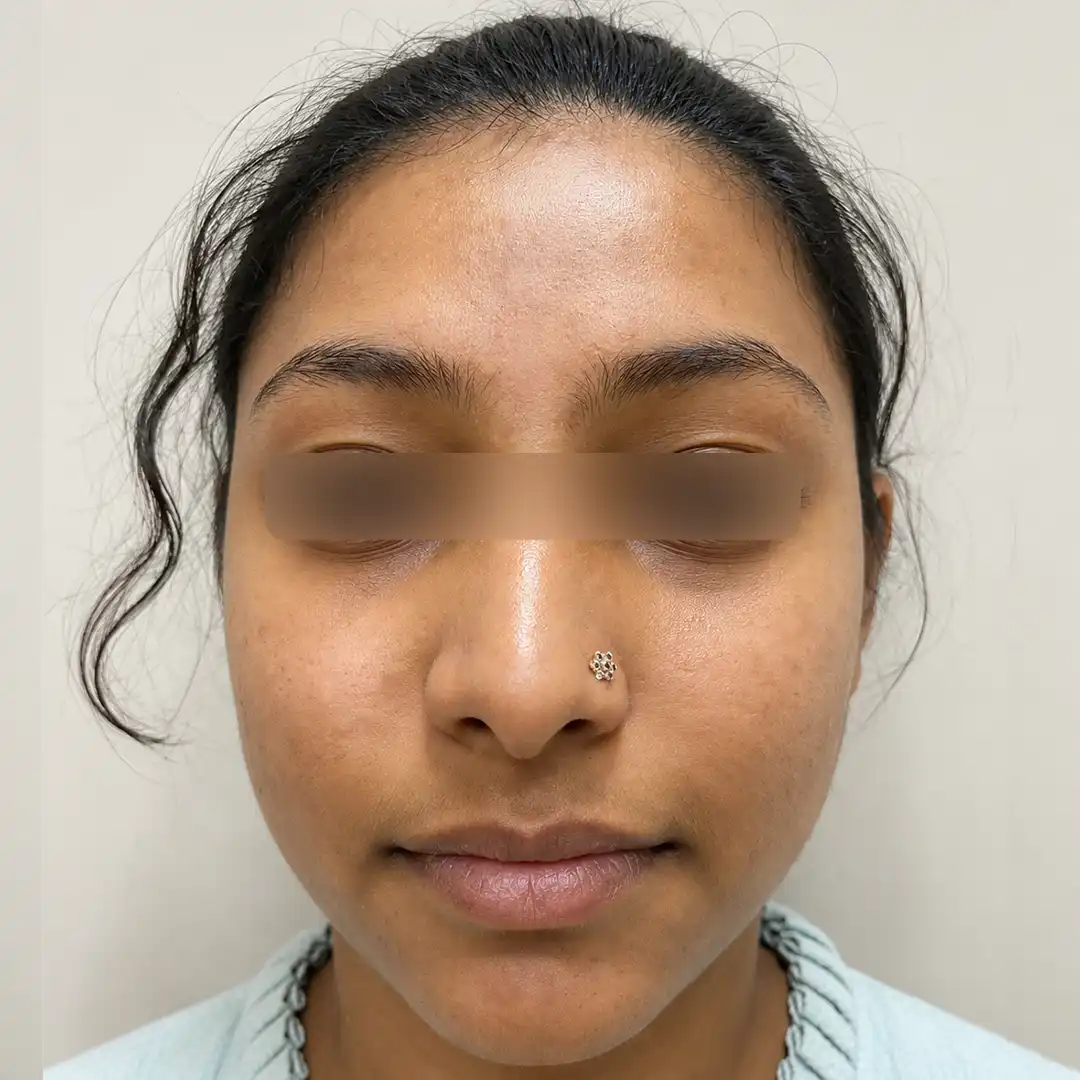
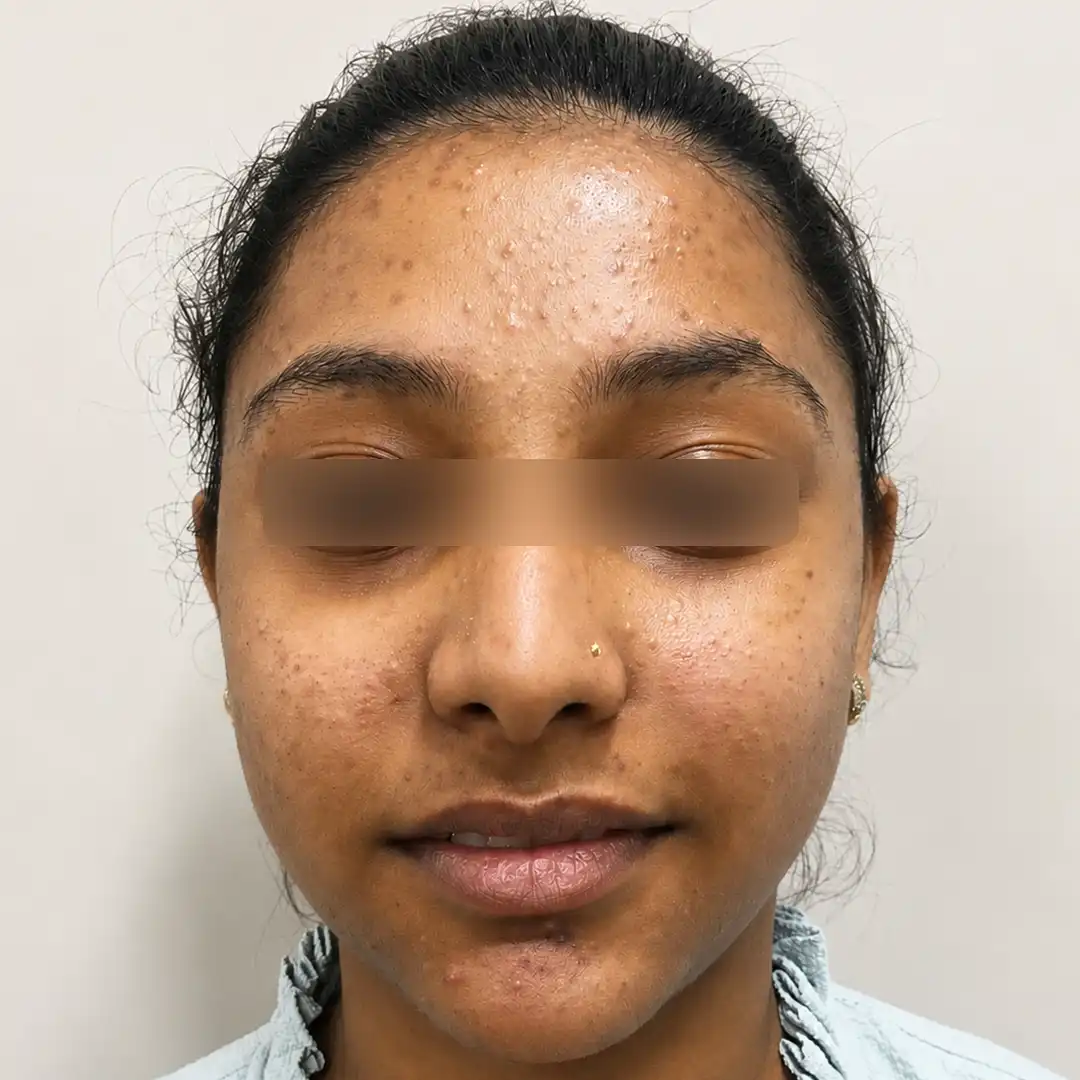
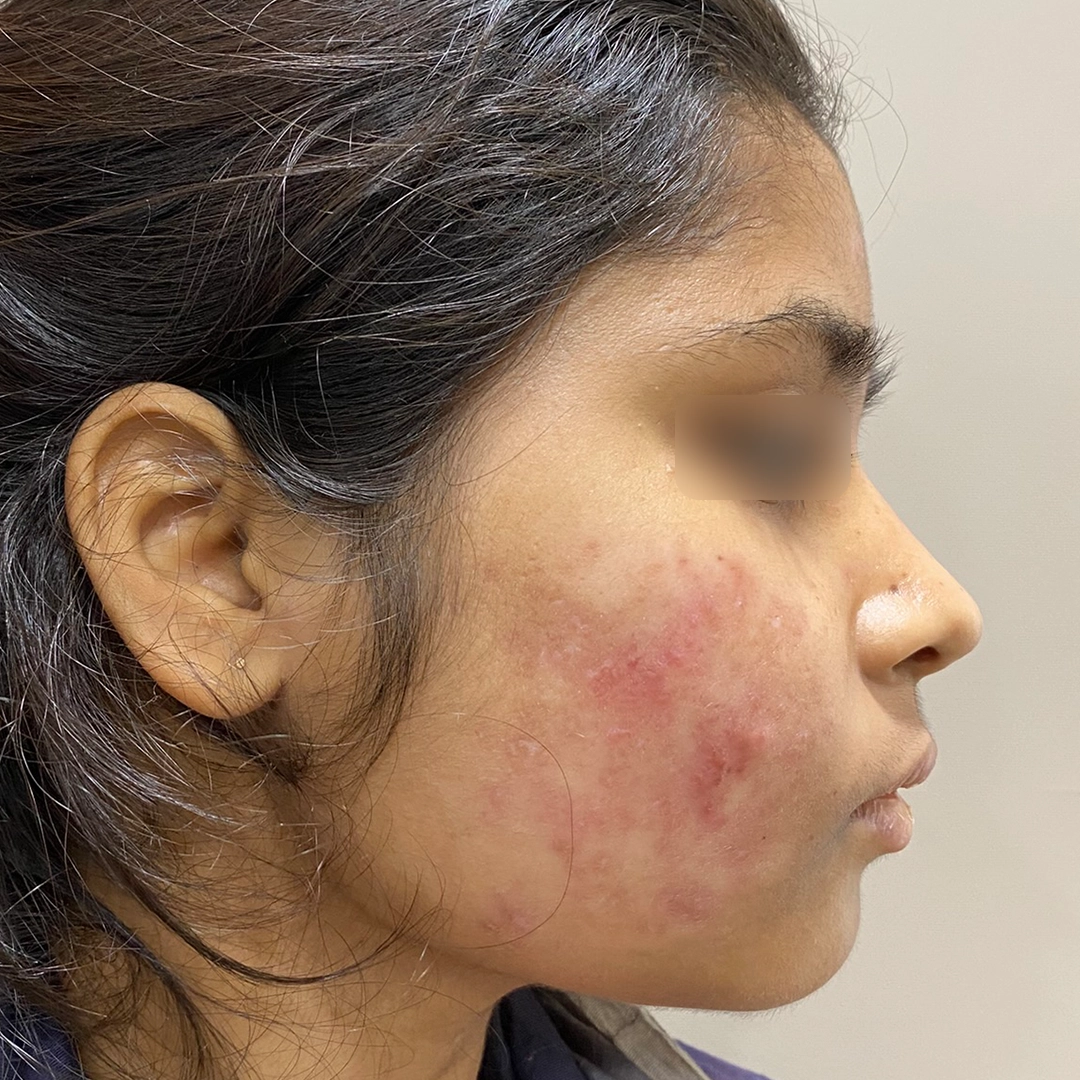
Acne Treatment Before & After: Real Patient Results
Name: Confidential
Age: 24 Years
Concern: Moderate Acne, Acne Marks & Uneven Skin Texture
Symptoms:
- Multiple pimples on the forehead and cheeks
- Post-acne dark spots (PIH)
- Oily skin with clogged pores
- Uneven skin texture
Treatment Recommended by NeoDermatologist:
Our dermatologists prescribed a personalized acne treatment plan that included medical-grade acne medications, a customized skincare routine, and regular online follow-ups. With consistent treatment and expert guidance, the patient experienced significant improvement in active acne, acne marks, and overall skin appearance.
Results:
These before-and-after online acne treatment (चेहरे के पिंपल्स या मुंहासों का ऑनलाइन इलाज) results demonstrate visible improvement in acne breakouts, post-acne pigmentation, and skin texture. You can also receive a free online dermatologist acne consultation by sharing your facial photographs with NeoDermatologist.
Online Acne Treatment Before & After Results
|
|


Get Expert Advice on Food-Related Acne - Online!
Understanding whether foods like mangoes, chocolate, fried items, or milk are worsening your acne can be confusing. Instead of guessing, consult with a skin expert or specialist.
Try NeoDermatologist’s Online Services:
Photo Consultation: Upload your acne photos for a personalized assessment and prescription, when appropriate, without a video call. Your first photo consultation is paid, and your next photo follow-up for the same concern is free.
Video Consultation: Speak directly with a dermatologist to discuss your symptoms, food habits, and treatment needs.
Our experts can help you create a skin-friendly diet plan and recommend the right treatment, based on how your body responds to different foods.
Need quick help? Start an instant chat with SkinMate, our AI-powered Dermatology Nurse, on WhatsApp. Get answers about acne, food triggers, and treatment - fast and hassle-free.
Use Code: FPCND100 to get a free online dermatologist consultation for acne or pimples.
Read this page in Hindi → पिंपल बढ़ाने वाले फूड्स: क्या आम, तैलीय भोजन या चीनी आपकी त्वचा पर एक्ने ब्रेकआउट का कारण बन सकते हैं?
Final Thoughts
While food can influence acne for many people, it's just one part of the puzzle. Understanding your skin’s response to different dietary habits is key to long-term control. If you’re struggling to figure out what’s causing your breakouts, don’t delay. Consult a dermatologist who understands both the science of acne and the role diet can play in your skin health.
If you are looking for a different service, please click on Hair loss Treatment, General Skin Consultation, Inner parts Itching Treatment, Vitiligo Treatment, Psoriasis Treatment, Scabies Treatment, Urticaria Hives Treatment, Ringworm Treatment, Online Skin Care Treatment.
Explore More: Check out other acne or pimple-related blog posts:
Understanding and Treating Common Skin Woes.
Thank You.
M.B., D.V.D. | GMC Reg: G-41460
A dermatologist specializing in tele-dermatology, offering expert care for skin, hair, and nail concerns. With extensive clinical experience, provides effective treatments for acne, hair fall, eczema, vitiligo, hives, scalp issues, ringworm, fungal infections, and more - all accessible through convenient online consultations.






Comments
Shashikala Chobe
Bahut useful article hai. Main hamesha confuse hoti thi ki pimples kya khane se hota hai. Aapne detail me explain kiya ki oily food, sugar aur kuch fruits jaise mango acne ko trigger kar sakte hain. Ab samajh aaya ki diet ka skin pe kitna effect hota hai. Thanks for sharing!
कोमल शर्मा
मुझे अक्सर तैलीय खाना खाने के बाद पिंपल्स हो जाते हैं, खासकर गर्मियों में। आपके ब्लॉग से यह जानने को मिला कि डाइट का कितना गहरा असर होता है। यह जानकारी वाकई में मददगार है, खासकर उन लोगों के लिए जो बार-बार स्किन प्रॉब्लम्स से जूझ रहे हैं।"
Hiral Patel
I am getting treatment for my pimples at Neodermatologist.com. Upon asking my doctor what to eat and what to avoid to get rid of my pimples, he suggested me to go through the blog they have on their website which gives information on what to eat and avoid in acne and I read the blog and found the information useful. I followed exactly the same advice and getting positive results and for that I thank my doctor and team of dermatologists.
Post a comment