 Hin
Hin En
En


Ringworm & Fungal Infection Home Remedies That Actually Work For Skin Fungus Infection
Introduction
Mild, coin-sized ringworm or fungal skin infections in an otherwise healthy person can often be managed for 7-10 days with natural remedies such as diluted tea tree oil, apple cider vinegar, or turmeric paste, combined with strict hygiene. If the patch is spreading, involves the scalp, nails, or groin, or hasn't improved in a week, see a dermatologist - home remedies and OTC steroid-combination creams often mask fungal infections rather than cure them.
Fungal infection treatment at home is possible in mild cases - but not every ringworm infection clears with home remedies alone, and using the wrong one can make it worse.
I'm Dr. Karma Patel, MD, Dermatology, and I've treated fungal and ringworm infections for 10+ years, including hundreds of patients who tried home remedies first.
As a dermatologist, I'll walk you through which home remedies actually help, which ones to avoid, what medicine for fungal infection genuinely works, and exactly when you need a dermatologist instead - the same information I give patients in real consultations.
Whether you're searching for ringworm treatment at home, fungal infection home remedies, or how to cure fungal infection on skin naturally at home, this guide covers all of it.
NeoDermatologist - Ringworm Specialists: I have consulted and guided many patients with fungal and ringworm infections through online consultations to date.
Who Can Try Fungal Infection Home Remedies?
- People with mild cases - a small, isolated skin lesion that's coin-sized or less can reasonably try home remedies for a short period.
- Only a single person in the family is affected.
- No underlying health conditions and a small, isolated lesion.
- The infection does not involve the scalp or nails - scalp and nail fungal infections generally need medical treatment, not home remedies.
Mild fungal infections can sometimes be managed with antifungal creams and hygiene care at home. However, recurrent, spreading, scalp or nail infections require prescription antifungal ringworm treatment from a dermatologist.
If your answer is yes, then you should read this blog.
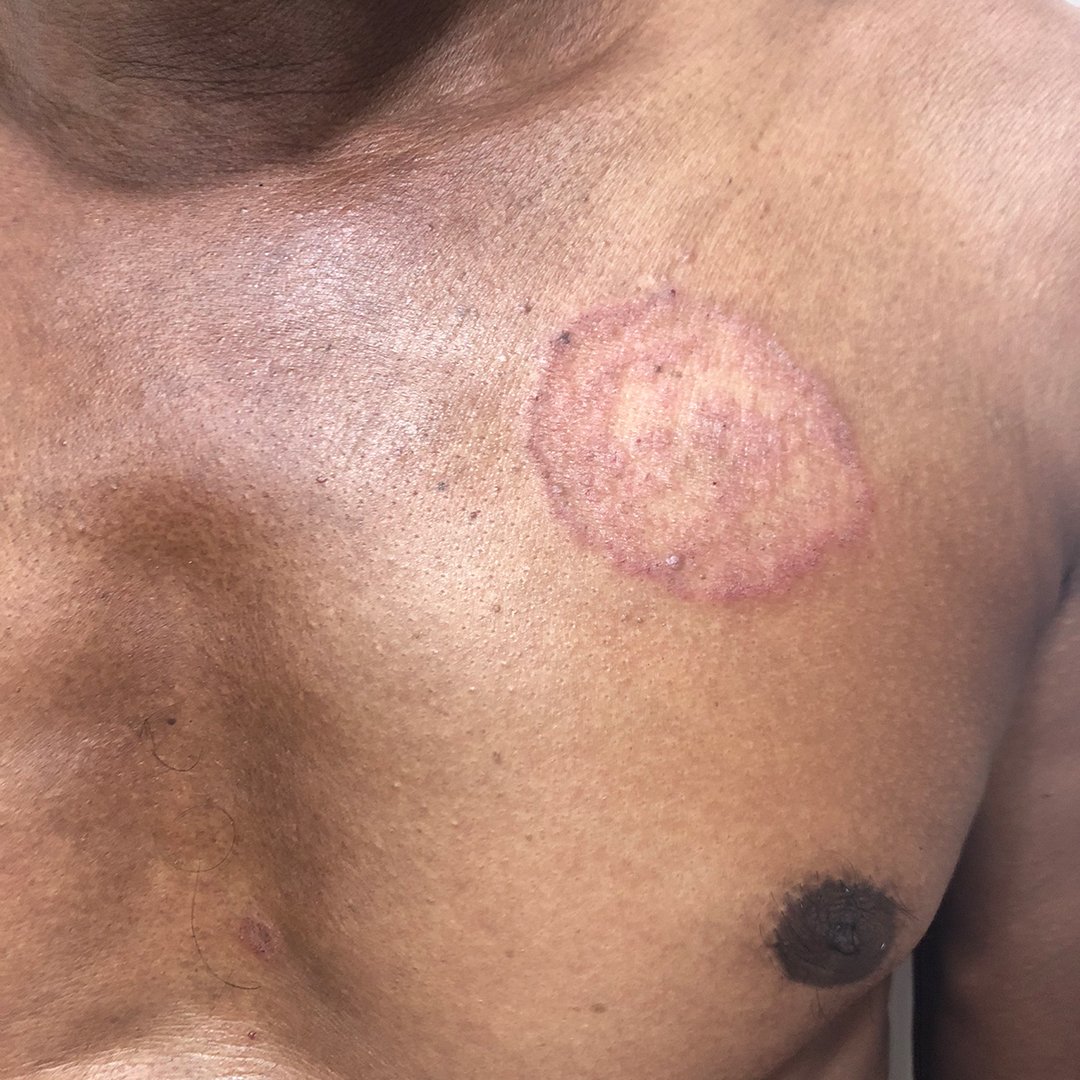
In today’s blog, I will discuss fungal infection home remedies and ringworm home remedies, their advantages and disadvantages, and why you should consider consulting a dermatologist if you are suffering from a fungal infection, as the condition can worsen over time if not treated properly. Understanding the early symptoms of ringworm and how the infection can progress - from a small, itchy patch to an expanding, scaly rash - can help you recognize the condition and seek appropriate treatment at the right time. Learn more about the ringworm symptoms and stages of fungal infection and how ringworm can evolve in the skin.
Ringworm & Skin Fungus Home Remedies That Actually Work
Many people hesitate to consult a dermatologist and instead look for ringworm treatment at home or fungal infection home remedies first. That's reasonable for mild cases - but it's worth understanding what each remedy actually does before you rely on it, because improper use can worsen a fungal infection. They try various ringworm home remedies or fungal skin infection home remedies, along with over-the-counter medicines, to relieve itching caused by fungal infection. Recurrent fungal infections are common worldwide due to humidity and steroid misuse, so choosing the right approach at the right time matters.
However, it’s crucial to understand the properties and effects of the home remedies you use because improper use may worsen the fungal infection. Choosing the right treatment at the right time is important in treating fungal infections effectively.
Here are some common fungal infection home remedies, ringworm home remedies, and ringworm infection home remedies you may consider for ringworm treatment at home:
1. Tea Tree Oil
Known for antifungal properties. Apply directly with a cotton ball, or diluted with a carrier oil (coconut or olive oil) for sensitive skin, 2x daily. It also helps reduce inflammation, easing itching and redness.
Caution: Essential oils are highly concentrated = always patch-test before applying to a larger area.
2. Apple Cider Vinegar
A popular remedy with natural antifungal properties that also helps balance skin pH. Soak the area in a diluted water-vinegar mix, or dab it on with a cotton ball, once or twice daily.
Caution: Undiluted vinegar can irritate broken or sensitive skin.
3. Garlic
Known for antimicrobial properties. Crush a few cloves into a paste, apply to the affected area, leave for a few minutes, then rinse. Believed to reduce inflammation and itching.
Caution: Can cause a burning sensation on thin skin - don't leave on too long.
4. Turmeric Paste
Curcumin in turmeric has antifungal and anti-inflammatory properties. Mix turmeric powder with a little water or coconut oil into a paste, apply, leave 15-20 minutes, then rinse.
Caution: Turmeric temporarily stains skin and clothing yellow.
5. Coconut Oil
Contains lauric and caprylic acid, both with antifungal activity. Apply virgin coconut oil 2-3 times daily to keep the area moisturized without the heaviness of ordinary oils.
Caution: In very sweaty, moist areas, any oil can trap moisture and worsen fungal growth - use sparingly there.
6. Aloe Vera
Soothing, with mild antifungal and anti-inflammatory action. Apply fresh gel twice daily to calm itching and redness.
Caution: Gentle but not strong enough alone for an actively spreading infection.
7. Neem Leaves
A traditional Indian remedy used for its antifungal and antibacterial properties. Crush fresh neem leaves into a paste, or boil leaves and use the cooled water as a wash.
Caution: Can be drying on sensitive skin - patch-test first.
8. Baking Soda Paste
Alkaline and helpful for drying out moist fungal patches. Mix with a little water into a paste, apply for about 10 minutes, then rinse off.
Caution: Overuse can disrupt your skin's natural barrier - limit to once daily.
9. Diluted Antiseptic (Povidone-Iodine)
Helps control surface fungus and prevent secondary bacterial infection. Dab a diluted solution onto the patch once daily.
Caution: Avoid on broken or raw skin; can stain skin and fabric - patch-test first.
Important: home remedies address surface symptoms. They don't always eliminate the fungus completely, especially once it has spread beneath the skin - which is exactly why the 7–10 day check-in below matters.
When Home Remedies Are Not Enough, Consult a Dermatologist Online - Don’t rely only on home remedies; book an online dermatology consultation for accurate ringworm treatment and faster recovery.

Do's and Don'ts for Ringworm Home Remedies
| Do | Don't |
| Keep the area clean and completely dry | Use steroid-combination creams without a prescription |
| Wash and dry clothes, towels, and bedsheets separately | Share towels, clothes, or footwear |
| Wear loose, breathable cotton clothing | Scratch the affected area |
| Stop a remedy immediately if irritation worsens | Apply remedies to broken or oozing skin |
| See a dermatologist if there's no improvement in 7–10 days | Self-treat scalp or nail fungal infections at home |
If your fungal infection is spreading or not improving in 7–10 days, book an online consultation with our dermatologists for proper antifungal treatment.
Medicine for Fungal Infection: OTC vs. Prescription
Many OTC (over-the-counter) options marketed as the best medicine for fungal infection or ringworm treatment often come in combination with low- to high-potency steroids. A large proportion of patients who visit a dermatologist for fungal infection treatment have already used some form of OTC medicine suggested by a friend, general practitioner, or pharmacist. These products commonly contain an antifungal drug mixed with a potent steroid and are easily available without prescription. Such irrational combinations may temporarily reduce redness and itching but do not cure the infection completely. In fact, misuse of steroid-based antifungal medicine is a major reason for the increasing incidence of chronic, recurrent, and treatment-resistant fungal infections.
Relying solely on fungal infection (ringworm) home remedies or random OTC medicine for fungal infection is often not as effective as dermatologist-prescribed antifungal treatment. While mild infections may respond to a proper antifungal cream (without steroids), incomplete or improper treatment can worsen the condition. This may lead to persistent infection, frequent recurrence, and deeper fungal involvement.
If you have a fungal infection and are using home remedies or OTC antifungal medicines without satisfactory improvement within 7–10 days, it is strongly recommended to consult a dermatologist online. Early evaluation helps in selecting the right medicine for fungal infection - whether topical or oral - based on severity and location.
This is especially important in cases of groin fungal infections (jock itch), where misuse of OTC combination creams can mask symptoms, delay accurate diagnosis, and make jock itch treatment more difficult and prolonged. Appropriate antifungal medicine under medical supervision ensures complete clearance and reduces the risk of recurrence.
For safe, effective, and dermatologist-guided care, explore our Fungal Jock Itch Treatment options designed to treat the infection at its root and prevent recurrence.
Is OTC Medicine for Fungal Infection Effective?
Not always.
While a simple antifungal medicine (without steroids) may help in mild cases, many OTC combination creams worsen the condition. Steroids reduce redness and itching temporarily but allow the fungus to grow deeper into the skin.
Improper or incomplete treatment increases the risk of:
- Chronic fungal infection
- Recurrent ringworm
- Steroid-modified fungal infection
- Delayed healing
Home Remedies vs. Medicine vs. Dermatologist Treatment
| Approach | Best for | Pros | Limitations |
| Home Remedies | Mild, isolated, coin-sized patch in an otherwise healthy adult | Natural, low-cost, easy to start immediately | Doesn't fully eliminate the fungus; risky if infection spreads |
| OTC Antifungal Medicine | Mild-to-moderate localized infection | Widely available; usually faster than remedies alone | Steroid-combination creams mask symptoms and cause recurrence |
| Dermatologist-Prescribed Treatment | Spreading, recurrent, scalp/nail involvement, weakened immunity | Correct diagnosis, monitored oral + topical combination | Requires a consultation |
When to Consult a Dermatologist Instead of Relying on Home Remedies?
If you’ve attempted ringworm home remedies or fungal infection treatments at home but haven’t seen enough improvement, it’s advisable to seek help from a dermatologist. Medical attention becomes essential in the following situations:
● The ringworm or fungal infection is widespread or involves the scalp or nails.
● You have a weakened immune system.
● You are pregnant or breastfeeding.
● The infection does not improve after using fungal infection (ringworm) home remedies for a week.
● You experience severe itching (inner part, on body, on back) or discomfort.
Read this page in Hindi → फंगल संक्रमण (दाद) का घरेलू उपचार और कब त्वचा विशेषज्ञ से परामर्श करें
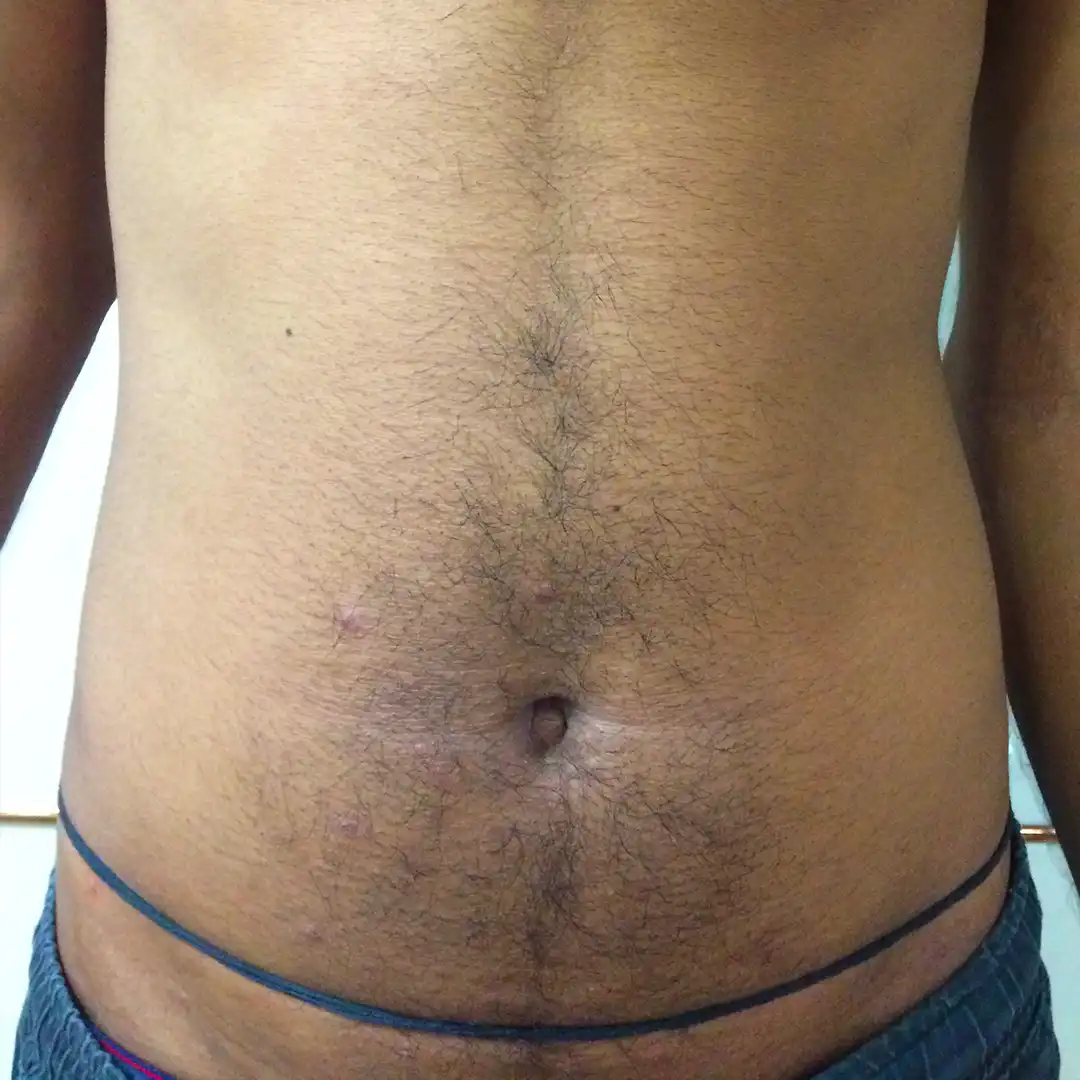
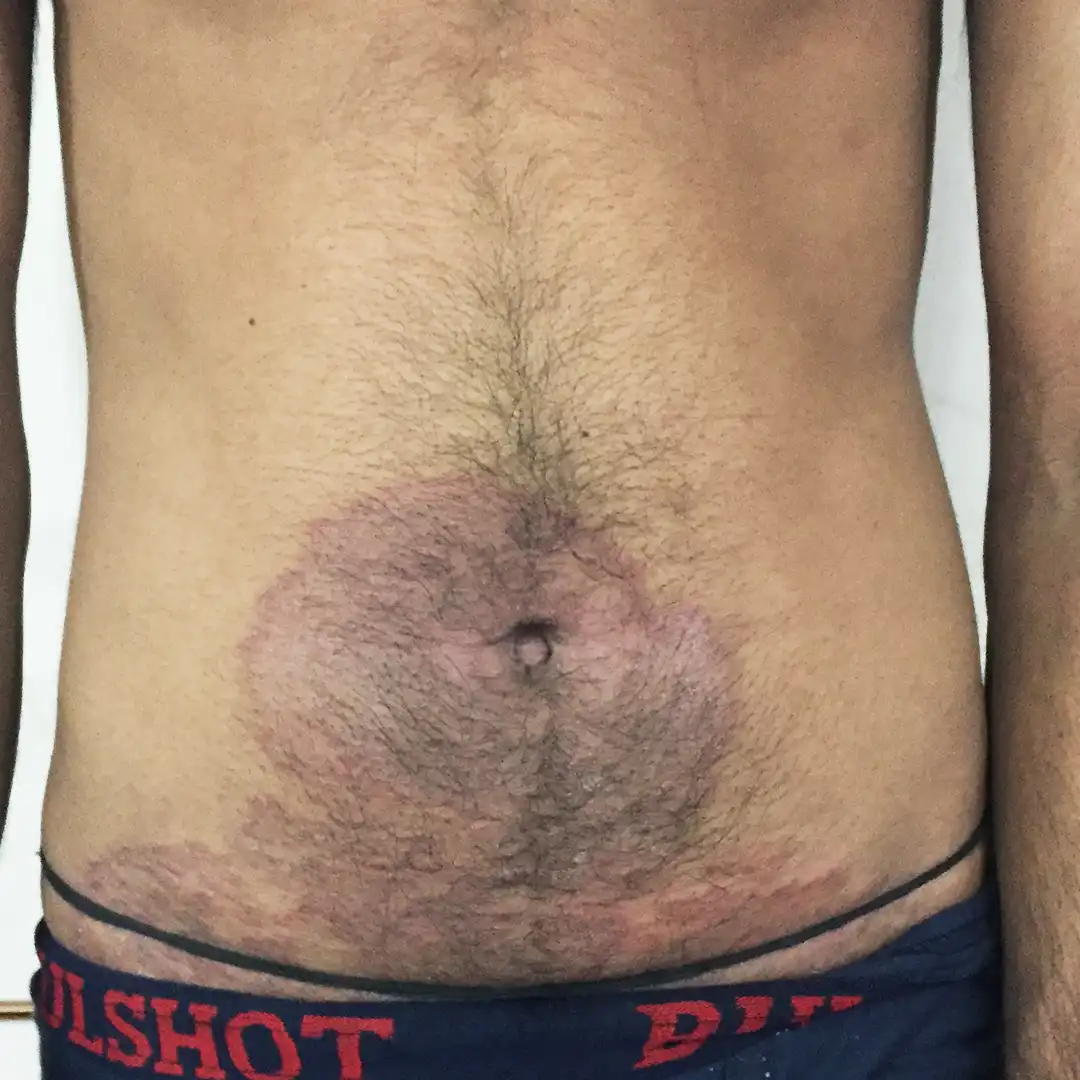
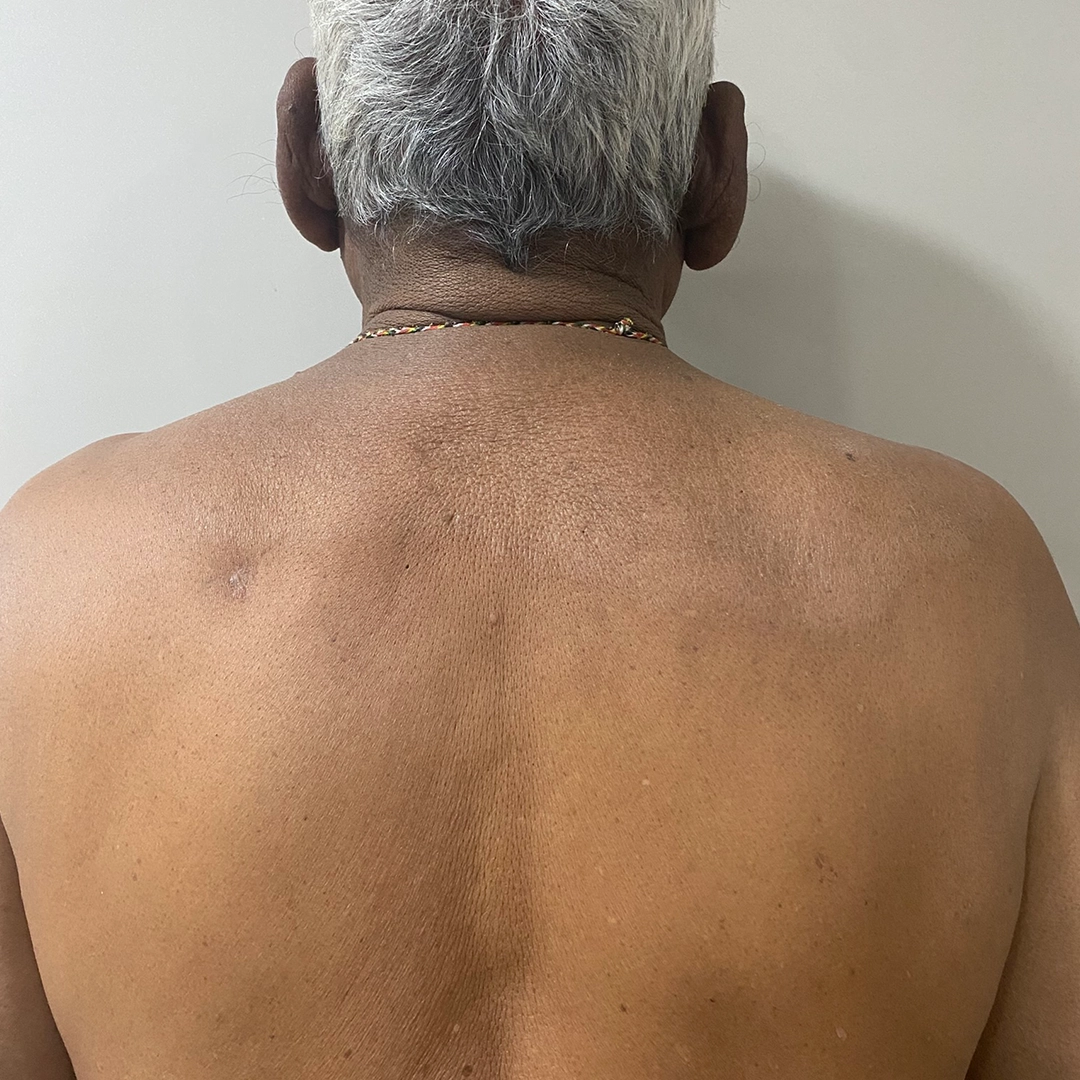
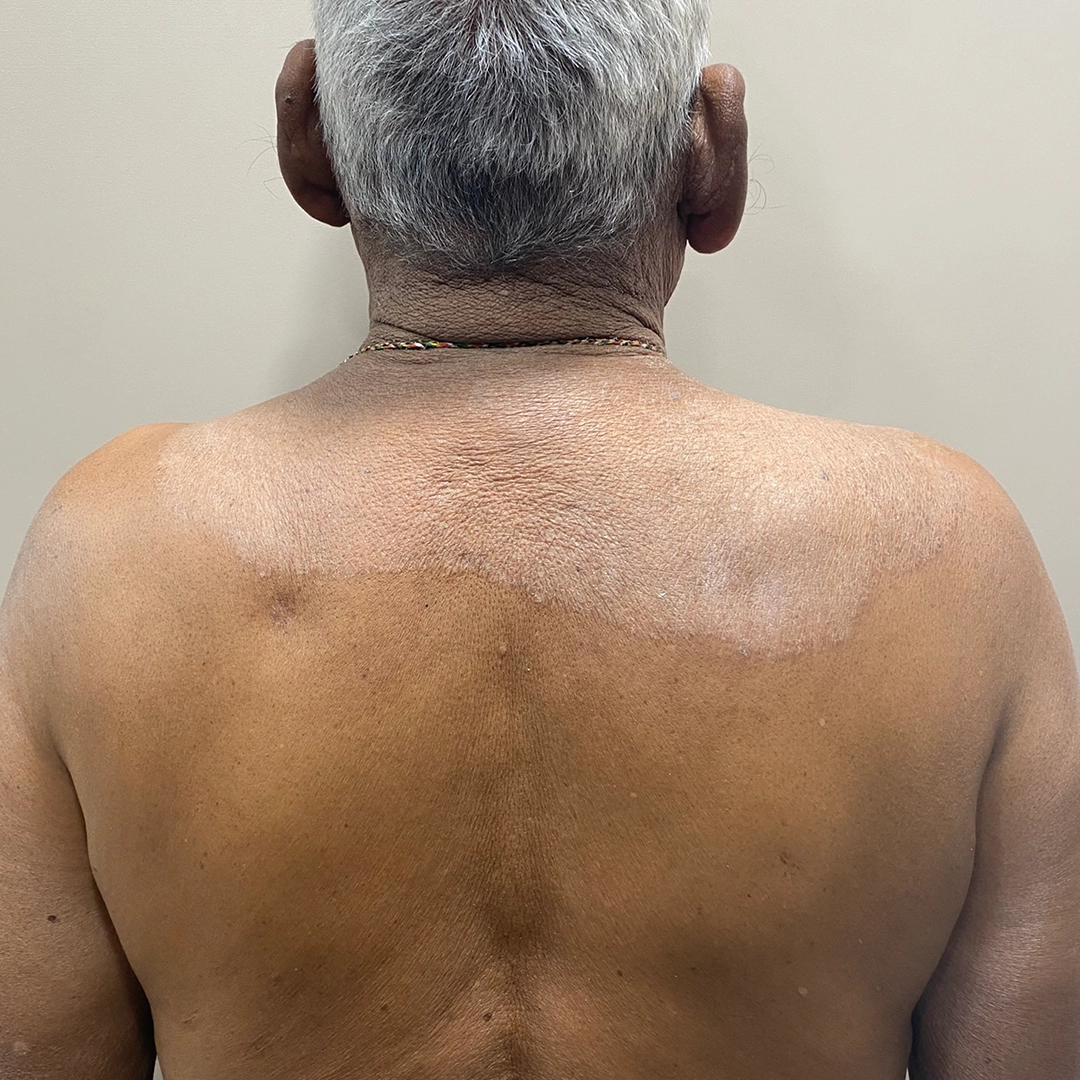
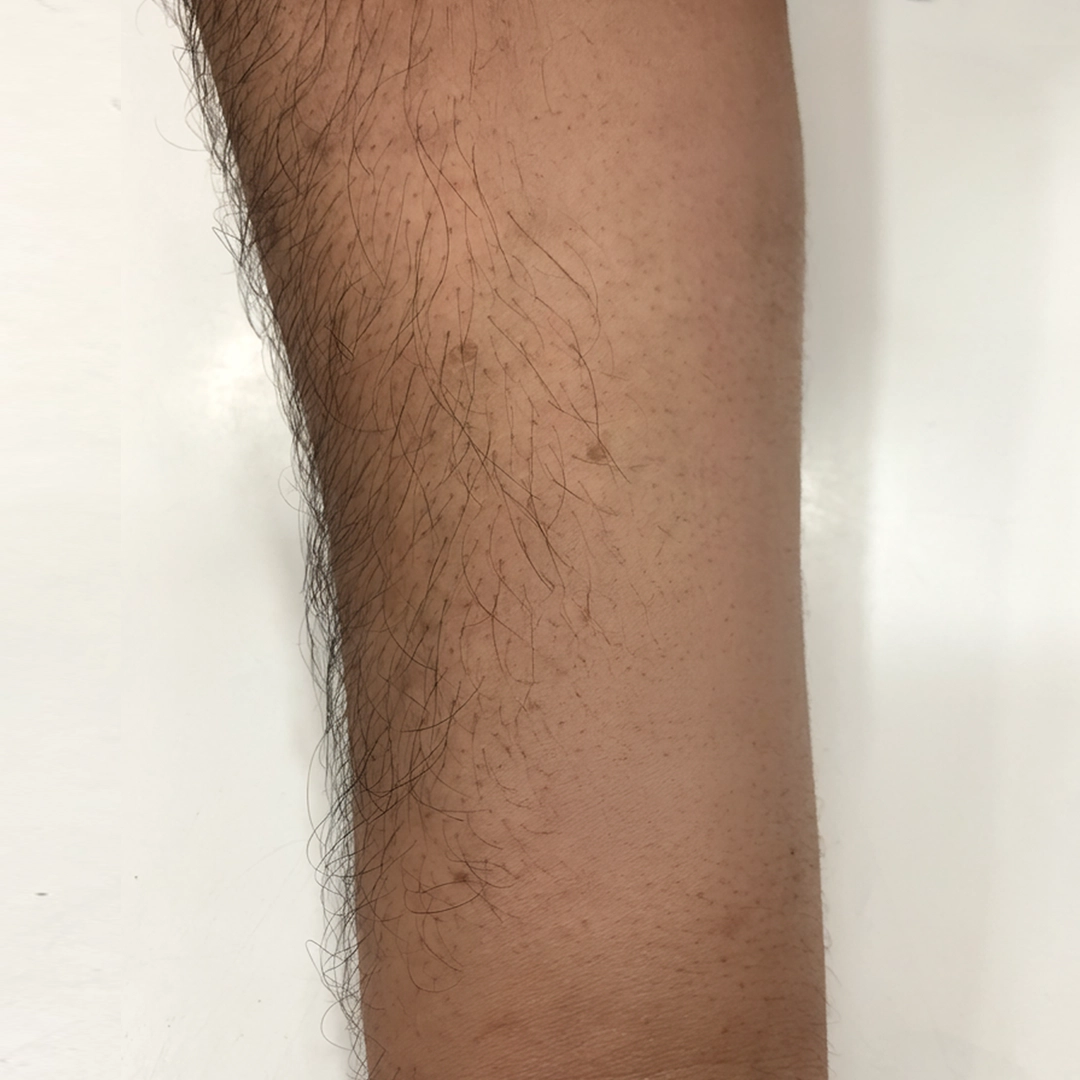
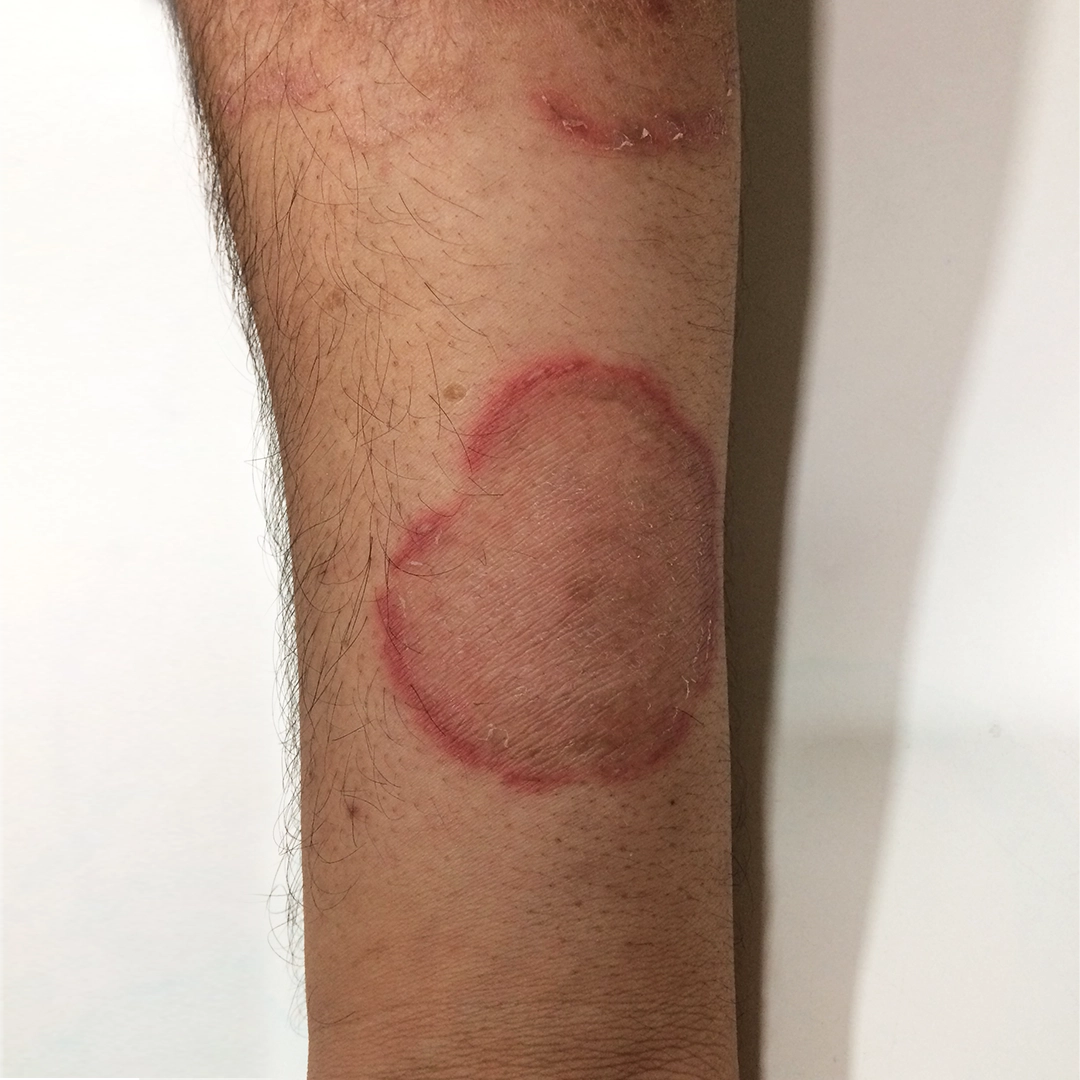
Case Study: Real Ringworm Treatment Success
Patient Name: Aarav Mehta
Age: 24 Years
Issue: Persistent ringworm infection on the forearm for nearly 3 months
1. Symptoms: The patient experienced severe itching, redness, burning sensation, and a large ring-shaped fungal patch on the forearm with active red borders and skin scaling. The infection gradually increased in size despite using over-the-counter creams.
2. Treatment & Result: After an online consultation, Dr. Ruchir Shah diagnosed the condition as a fungal infection (ringworm/tinea corporis) and prescribed a personalised treatment plan including oral antifungal medicines, antifungal creams, and strict hygiene measures for 45 days.
Before & After Results of Online Ringworm Treatment
 |  |
You can consult a dermatologist online on neodermatologist.com from the comfort of your home. Our certified dermatologists specialize in diagnosing and treating fungal infections online.
To better understand how to treat and cure ringworm, we recommend reading our dedicated blog post, where we have naturally included all the key details that dermatologists refer to and follow throughout the treatment process.
A dermatologist can not only provide effective antifungal treatment but also guide you on preventive measures to reduce fungal infection risk and recurrence, such as:
- Keep your skin clean and dry, especially in areas prone to sweating.
- Avoid sharing personal items like towels, socks, or shoes.
- Wash and dry clothes, towels, and bedsheets separately from other laundry.
- Choose loose, breathable cotton fabrics over tight synthetic clothing.
- Dry skin folds (underarms, groin, between toes) thoroughly after bathing.
Click below to connect with us on WhatsApp to book a quick consultation with a dermatologist online.
Start an instant WhatsApp chat now! Tried home remedies for ringworm but they’re not working? Consult a certified dermatologist instantly on WhatsApp - your AI Dermatology Assistant Chatbot.
If you are looking for a different service, kindly click on the following links to explore the other services that we provide you with,
Online Hair Treatment Consultation, Acne Treatment Online, General Skin Consultation, Eczema Treatment, Scabies Treatment, Psoriasis Treatment, Urticaria Hives Treatment, Vitiligo Treatment, Online Skin Care Consultation.
I hope the above information was helpful.
M.B., D.V.D. | GMC Reg: G-41460
A dermatologist specializing in tele-dermatology, offering expert care for skin, hair, and nail concerns. With extensive clinical experience, provides effective treatments for acne, hair fall, eczema, vitiligo, hives, scalp issues, ringworm, fungal infections, and more - all accessible through convenient online consultations.







Comments
Varsha Parmar
बहुत ही जानकारीपूर्ण लेख है। घर पर फंगल इंफेक्शन के इलाज के लिए दिए गए नुस्खे सरल और उपयोगी लगे। क्या इन उपायों को दवाइयों के साथ भी इस्तेमाल किया जा सकता है?
Kamesh Patel
Honestly, itna easy aur natural solution pehle kyun nahi mila? Pehle main Neodermatologist ke tips for fungal ka gharelu upchar try karke yahan apna result share karunga. Agar natural remedies se poora fayda na mila, toh turant expert treatment ke liye Neodermatologist par photo bhejkar unke sath pehla free online dermatologist consultation book karunga - taki problem jald se jald solve ho sake!
Sulekha Patel
बहुत उपयोगी जानकारी! कई लोग घरेलू नुस्खों से ही इलाज करने की कोशिश करते हैं, लेकिन यह जानना ज़रूरी है कि फंगल संक्रमण (दाद) के लिए कब डॉक्टर से संपर्क करना चाहिए। धन्यवाद इस स्पष्ट जानकारी के लिए।
Nisha Rathod
This was a very helpful read - especially the part about using natural remedies like neem and turmeric for fungal infections. It’s good to know that these remedies can provide relief, but it's also important to consult a certified dermatologist for proper diagnosis and treatment. For anyone struggling with ringworm or similar infections, I also recommend checking out their detailed blog post on ringworm treatment, which explains what dermatologists typically follow during treatment, step by step.
Post a comment