Updated On October 8, 2026Posted On March 13, 2024 13 Comments
10 min read 3187 views 1854 likes
10 min read
75830 views
4474 likes
Ringworm Infection Medicine - Antifungal Tablets & Creams For Fungal Infection
Introduction
Hello all,
Are you searching for the best medicine for ringworm infection, tablet for ringworm or wondering how to cure ringworm quickly?
The most effective ringworm treatment depends on the severity and location of the infection. Dermatologists usually recommend antifungal creams or tablets to eliminate the fungus completely.
What's the best medicine and tablet for ringworm? Here's what dermatologists recommend:
Best Ringworm Medicines and Tablets (Dermatologist Recommended)
INFECTION SEVERITY
BEST MEDICINE
Mild
Antifungal creams (clotrimazole, luliconazole, terbinafine, or ketoconazole)
Moderate
Prescription creams + tablets
Severe or recurrent
Oral tablets (terbinafine, itraconazole, or fluconazole)
With the correct ringworm infection medicine, most fungal infections improve within 2-4 weeks, although some mild cases may begin improving within 3-7 days after starting proper treatment.
Many people also search for:
3 day ringworm treatment
best medicine for ringworm
ringworm treatment tablets
ringworm cream for skin infection
antifungal tablets for ringworm
The right online ringworm treatment given by ringworm specialists may depends on factors such as the body area affected, severity of infection, and previous treatment history.
I’m Dr. Ruchir Shah, a dermatologist specializing in tele-dermatology. In this guide, I will explain which medicine works best for ringworm infection, including top antifungal creams, tablets, and dermatologist-recommended treatment options.
At NeoDermatologist, we have successfully treated hundreds of fungal infection cases by selecting the correct ringworm medicine based on infection type and severity.
⭐️⭐️⭐️⭐️⭐️ 4.9 Rating | 1500+ Consultations Completed | Certified Dermatologists Available 24/7 for Expert Ringworm Infection Medicine & Treatment Guidance
If you are experiencing itchy, circular red patches or spreading fungal infection, you can also get expert advice through our online dermatologist consultation. Our dermatologists provide fast diagnosis through photo-based skin assessments, helping patients start the correct treatment early.
If you are unsure about trusting an online dermatologist consultation, you can first try our Free Dermatologist Consultation Online at NeoDermatologist to experience expert guidance before starting treatment. You can also book your consultation within minutes via WhatsApp Chat and get quick advice from our dermatology specialists. Use code FPCND100 to access your free online consultation instantly.
Let’s explore the blog below to understand which medicine is best for ringworm infection and how to treat it effectively.
What is Ringworm?
Ringworm is actually a fungal infection. It is not any kind of worm, and it develops because of excessive humidity, moisture in your inner part, though it can also develop in other body parts because of cross-infection. As the condition progresses, the fungal infection gradually evolves in the skin and spreads within the skin.
The lesion typically begins with the involvement of a small circular area, which enlarges over a period of time associated with itching, and it can spread to other areas as well.
In the early stage, it appears as a small, circular red patch that gradually expands, forming a ring-shaped lesion with itching and irritation. Without proper ringworm medicine or treatment, the infection can spread to other body parts or even to family members.
Importance of Timely Treatment For Ringworm People
Starting the right medicine for ringworm infection at an early stage is one of the most important factors for quick recovery.
Ringworm spreads easily through skin-to-skin contact, contaminated clothing, towels, or humid environments. Without proper antifungal treatment, the infection may spread rapidly or become chronic.
Best medicines for a ringworm infection usually include antifungal creams and oral antifungal tablets, as mentioned below, which help eliminate the fungus effectively.
1. Topical antifungal creams
For mild infections, dermatologists commonly prescribe creams such as clotrimazole, luliconazole, terbinafine, or ketoconazole. These creams directly kill the fungus and help clear the infection from the skin.
2. Oral antifungal tablets
In moderate to severe infections or when the infection keeps returning, oral antifungal tablets such as itraconazole, terbinafine, or fluconazole may be required. These medicines work internally to eliminate fungal infection from the body.
Many patients delay treatment or rely only on over-the-counter creams, which may temporarily reduce itching but fail to cure the infection completely. This can lead to recurrent fungal infection or steroid-modified ringworm, which becomes harder to treat.
If you notice itchy circular patches, spreading redness, or persistent fungal rash, consult a dermatologist early. Proper diagnosis and the right ringworm medicine or antifungal treatment can help cure the infection faster and prevent it from spreading to other parts of the body.
Let's explore each topical and Oral antifungal tablets and creams information in detail:
Topical Antifungal Agents
These are applied directly to the affected skin and are ideal for mild to moderate infections.
1. Clotrimazole 1% (OTC)
Form: Cream, ointment, liquid
Use: Apply twice daily for 2–3 weeks
Works for: Mild ringworm on the skin
Note: A basic, widely-used antifungal ideal for early-stage infections.
2. Miconazole 2% (OTC)
Form: Cream, powder, ointment
Use: Apply twice daily
Common for: Athlete’s foot, skin ringworm
Tip: Always check the concentration for proper strength
Note: Suitable for limited or localized infections.
3. Ketoconazole 2% (Prescription Only)
Form: Cream, gel, foam
Use: Once daily for 2–4 weeks
Best for: Widespread infections
Note: More effective than basic OTC creams; requires dermatologist consultation.
4. Luliconazole (Prescription Only)
Form: Cream
Use: Once daily for 1–2 weeks
Effective for: Ringworm in the private parts
Note: Newer, highly potent antifungal that penetrates deeply and acts fast; ideal for groin or inner thigh infections.
5. Terbinafine (Topical)
Use: 1–2 times daily for 2–3 weeks
Great for: Multiple or stubborn infected areas
Note: Trusted and effective for skin-based infections.
6. Tolnaftate (OTC)
Form: Cream or spray
Use: Apply twice daily for 2–3 weeks
Useful for: Prevention and early-stage infections
Note: Good for maintenance post-recovery.
7. Ciclopirox (Prescription Only)
Use: Requires consistent application for 3+ weeks
Best for: Nail fungal infections or chronic skin ringworm
Note: Often part of long-term treatment plans.
8. Amorolfine (Prescription Only)
Form: Cream, nail lacquer
Use: Once or twice daily, depending on formulation
Best for: Nail and surrounding skin infections
Note: Effective in resistant cases; has both antifungal and anti-inflammatory effects.
Oral Antifungal Agents
These are taken by mouth and are recommended for severe, widespread, or resistant infections.
1. Terbinafine (Oral, Prescription Only)
Use: Once daily for 1–2 weeks
Best for: Multiple or stubborn infected areas
Note: Among the most trusted oral antifungals globally.
2. Itraconazole (Oral, Prescription Only)
Use: Once daily; duration depends on severity
Best for: Persistent, recurring, or widespread infections
Note: Not FDA-approved specifically for ringworm but widely prescribed off-label.
3. Fluconazole (Oral, Prescription Only)
Use: Once weekly for 2–4 weeks
Ideal for: Patients who prefer weekly dosing
Note: Convenient; often effective with just 1–2 doses, but needs monitoring.
These antifungal agents are considered the most reliable and dermatologist-recommended medications for ringworm treatment. Choosing the right option depends on the location, severity, and recurrence of the infection. Always consult a certified dermatologist before starting treatment to ensure appropriate diagnosis and dosage.
Cream vs Tablet for Ringworm Infection
Condition
Best Option
Duration
Small patch on the body
Antifungal cream
2 - 4 weeks
Infection in the private parts
Prescription cream
2 - 4 weeks
Multiple patches
Oral tablets
2 - 6 weeks
Recurrent infection
Oral antifungal tablet
Doctor supervised
For added convenience, you can consult our certified dermatologists online anytime, from anywhere, through our online dermatology consultation service. Whether you're dealing with a mild skin infection or a recurring ringworm issue, our experts can guide you with the right diagnosis and personalized treatment plan - all from the comfort of your home.
Key Treatment Tips For Ringworm People
Always continue topical treatment for a few days even after the rash clears.
Oral tablets may be required for ringworm on scalp, nails, or private parts.
Consult a dermatologist before using any antifungal tablet for ringworm or any cream for ringworm, especially for children or if you are on other medications.
3 Day Ringworm Treatment - Is It Possible?
Many people search for a 3-day ringworm treatment, hoping for a fast and permanent cure. However, ringworm is a fungal infection, and it usually cannot be completely cured in just 3 days. With the correct antifungal treatment, symptoms may begin to improve within a few days, but the infection itself requires longer therapy.
What Can Happen in 3 Days?
Redness may start to reduce
Itching and burning may decrease
The patch may look lighter or less inflamed
This early improvement does not mean the fungus is fully eliminated.
What Dermatologists Recommend
Continue antifungal cream for at least 2-4 weeks
Use medicines like clotrimazole, luliconazole, ketoconazole, or terbinafine cream for mild cases
Consider oral antifungal tablets (e.g., terbinafine or itraconazole) for severe or recurrent infections
Avoid stopping treatment once symptoms improve
Important Warning About Combination Creams
Steroid-antifungal combination creams may reduce redness within 2–3 days
They may only suppress symptoms, not cure the infection
Long-term misuse can worsen fungal infections and cause recurrence
Final Verdict
✔ Symptom relief in 3 days - Possible
✖ Complete cure in 3 days - Not possible
For complete healing and to prevent recurrence, full-duration antifungal treatment under a dermatologist's guidance is essential.
Practice Good Hygiene Habits To Prevent the Spread Of Infection
Maintaining hygiene is just as important as medication. Here’s what you must follow:
Wash clothes, towels, and bedsheets in hot water.
Avoid sharing personal items.
Keep affected skin dry and wear loose-fitting cotton clothes.
Manage infections among siblings together - treat all affected family members to prevent reinfection.
Sibling Management in Ringworm Treatment
When one person in a household develops a ringworm infection, it is highly likely that others may also be affected, even if they don’t show symptoms immediately. Fungal infections ringworm, can spread easily among family members, especially when personal items such as towels, clothing, or bedding are shared.
That’s why it is crucial to manage all affected individuals in the household together. If more than one person has symptoms, everyone should take ringworm medicine or ringworm infection medicine together. This group treatment approach helps prevent reinfection and ensures complete eradication of the fungus from the home.
Common Loopholes in Ringworm Treatment You Should Avoid
1. Avoid Home Remedies Completely
I strongly advise against using any kind of home remedies for ringworm, such as garlic paste or onion oil. These substances are acidic and may burn or irritate the upper layers of your skin. While they may cause peeling or redness, they do not kill the fungi that cause ringworm. As a result, the fungus often regrows, and the infection comes back, sometimes even more aggressively. Home remedies are not only ineffective but can worsen your condition by damaging your skin. Know more about the causes of ringworm.
2. Avoid Steroid-Containing Products
Another major mistake is the use of steroid-based medications, especially those easily available over the counter. These include both topical creams and oral tablets that contain steroids. While they may give short-term relief from itching or inflammation, they do not eliminate the fungal infection. In fact, they suppress the immune response, allowing the fungi to grow more deeply into the skin.
Over time, steroid use can lead to:
Thinning of the skin
Recurring infections
Atypical ringworm appearance (Tinea incognito)
More resistant fungal strains
Steroids come with their own set of serious side effects, and using them without medical supervision can cause long-term harm.
So, to put it clearly: Do not use home remedies. Do not use steroids.
Ringworm treatment is a specialized subject, best managed by a qualified dermatologist. It is not just about applying a cream or taking a tablet. It requires:
Correct diagnosis
Proper medication (both ringworm treatment tablets and ringworm treatment creams, depending on severity and site of infection)
Monitoring of dosage and treatment duration
Maintaining hygiene and personal care
Preventing spread among close contacts and family
We’ve also published a separate blog focused entirely on how to treat and cure ringworm best tips for ringworm patients. Be sure to check that out for detailed advice.
Other Services We Offer at Neodermatologist
If you are looking for a different service, Kindly click on the links given below to explore our other services that we provide you with,
Click the links to explore our online dermatologist services and consult with a skin specialist from the comfort of your home
Final Thoughts
If you are currently dealing with a ringworm infection and searching for the best ringworm medicine, the best medicine for ringworm fungal infection, whether it's tablets for ringworm or ringworm infection creams, I strongly recommend consulting a dermatologist at the earliest.
A skin specialist can:
Prescribe the right ringworm treatment tablets
Recommend the most effective ringworm treatment creams
Advice on personal care and hygiene
Guide your entire family if multiple members are infected
Don’t rely on Google searches, home remedies, or over-the-counter creams that promise quick fixes. Ringworm is a medical condition that needs expert care, and your dermatologist is the right person to guide you to a complete cure.
Get quick relief with dermatologist-recommended daad ke liye best tablet and effective dad khaj khujali ki dava. Click here to read more on our Hindi blog ‘दाद की दवा (dad ki dawa)’.
Thanks!
About The Author:
Dr. Karma Patel M.B.,F.M.D.C. | GMC Reg: G-53014 A dermatologist specializing in online consultations for skin, hair, and nail concerns. Offers expert care for acne, pigmentation, eczema, scabies, ringworm, scalp infections, dandruff, psoriasis, vitiligo, hives, and hair loss, providing effective, personalized treatment solutions from the comfort of home.
Comments
Umesh
Dad
Vindhyachal Rajak Vrt
दाद दिनाय का आपका दिया हुआ सुझाव बहुत अच्छा लगा इसके लिए बहुत बहुत धन्यवाद सर
Rakesh Rana
दाद
Abul kalam khan
Hamen lagbhag 2 sal se hai bahut dawa kiya lekin thek nahin hota hai dobara wapas aa jata hai lihaja kirpiya kar. Ke aisi dawa batayen jisse hame keliye khatm. Ho jaye
Ali
Explained very well especially the point about avoiding self medication, which is really important. People often use creams without proper knowledge, and later the problem becomes more serious.
Kunal Rana
Very informative blog. Many people think ringworm can be cured in 2–3 days, but in reality fungal infection usually needs proper antifungal treatment for a few weeks, and stopping medicine early often makes it come back again. Creams, tablets, and hygiene all play an important role, and treatment depends on how severe the infection is. I liked that the blog explained the difference between medicines and why complete treatment is necessary, because most people make mistakes by using random creams or steroids which can worsen the infection. This kind of detailed guidance is really helpful for people dealing with recurring ringworm.
Omprakash
Dad ka sai vistar se samzaya hai
Mohd usman
मैने 45 दिनो तक मेडिसिन ली उसके बाद मेडिसिन महंगी होने के कारण मैने मेडिसिन लेना छोड़ दिया दाद खाज खुजली सब खत्म हो गया था 5 दिनो से मैने मेडिसिन नहीं खाई दाद फिर से उभर रहा है और खुजली भी हो रही है मेरे पीठ पर एक हल्का सा गोल चक्कर सा निशान उभर ने लगा है फिर से और हिप्स पर और जांघों के किनारे भी दाद के चक्कते पढ़ने लगे है हल्के हल्के पैसे सिर कोई मेडिसिन लिख दो और कितने दिनों तक खानी है वो भी लिख दो
Raja ramanand harojan
Jalan or Khushali or dad
अजय
मेरा नाम अजय है। मैं लंबे समय से दाद और खुजली की समस्या से परेशान था। आपकी जानकारी पढ़कर मुझे बहुत मदद मिली। खासकर दाद खाज खुजली की दवा और बेस्ट टेबलेट की जानकारी के बारे में जो सुझाव दिए गए हैं, वे काफी उपयोगी लगे। धन्यवाद, अब मुझे सही इलाज चुनने में आसानी होगी।
Rajesh
Me dad ke liye ketenazole and intaracozole ke sath mujhe teblet bhi di thi uska naam mujhe pata nahi raha wo aap bata do
Durva Patil
बहुत ही उपयोगी जानकारी दी गई है इस लेख में। दाद की दवा के बारे में विस्तार से समझाया गया है, जिससे आम लोगों को सही इलाज चुनने में मदद मिलेगी। खासतौर पर क्रीम और टेबलेट के विकल्प बहुत अच्छे से समझाए गए हैं। धन्यवाद इस जानकारीपूर्ण लेख के लिए!
Kiran Prajapati
This blog is really informative! I appreciate how clearly you've explained both topical and oral antifungal treatments for ringworm. It’s especially helpful to know when it’s time to stop self-treatment and consult a dermatologist. Great work in raising awareness about getting the right medical advice at the right time!
Looking for an online dermatologist or teledermatologist or a nearby skin specialist or an online dermatology consultation? Visit NeoDermatologist.com - your trusted platform for expert skin and hair consultations, available anytime, anywhere. Whether you need an online dermatologist consultation, dermatologist consultation online 24/7, acne treatment from a certified dermatologist, or advice from a ringworm specialist or hair doctor, we’ve got you covered. NeoDermatologist.com offers global, worldwide access, making it easy to connect with experienced and certified dermatologists from the comfort of your home. With flexible options like photo or video consultations and a quick response system, you can skip the wait and get the right treatment fast. So, if you’ve been searching for a "dermatologist near me," or looking for the dermatologist consultation online from anywhere remember that with NeoDermatologist.com, you can access expert online dermatologist consultations globally, no matter where you are in the world - bringing trusted skin care right to your screen.
“I had thick, flaky patches on my scalp that kept ...Read More
“I had thick, flaky patches on my scalp that kept coming back. At first I thought it was just severe dandruff, so I tried different shampoos, but the itching and scaling didn’t really settle. The flakes were also quite noticeable on my clothes, which was frustrating.
I consulted a dermatologist and shared clear photos of my scalp. After the consultation, I understood that it was scalp plaque psoriasis and received a treatment and scalp-care plan. The instructions were easy to follow, and I could clear my doubts during the follow-up.
After following the treatment regularly, the itching and scaling became much more manageable and the thick patches improved. I also have a better understanding now of how to care for my scalp when symptoms start to flare up.”
Rahul Sharma
I had been dealing with ongoing acne for years, and ...Read More
I had been dealing with ongoing acne for years, and it really affected how I felt about myself. After I started my treatment with Neodermatologist, I noticed a visible difference in just a few weeks! The dermatologist really took the time to understand my skin type and put together a personalized treatment plan that actually worked wonders. My breakouts have reduced a lot, my skin feels much healthier, and the scars are beginning to fade. The online consultation was seamless, convenient, and very comforting. I highly recommend Neodermatologist to anyone who’s struggling with acne!
Meenal S.
"I was struggling with ringworm for months, trying creams and ...Read More
"I was struggling with ringworm for months, trying creams and home remedies with no results. Thanks to Neodermatologist's online consultation, I finally got the right diagnosis and treatment. Dr. Ruchir Shah was incredibly helpful, and within two weeks, my infection was gone!"
Rohit Mehta
I had been struggling with continuous hair fall for almost ...Read More
I had been struggling with continuous hair fall for almost a year and was worried about my thinning hair. Since I live outside the city, regular clinic visits were difficult. I chose an online consultation with Dr. Ruchir Shah at NeoDermatologist, and it turned out to be the right decision. Dr. Shah patiently reviewed my photos, explained the reason behind my hair loss, and created a treatment plan that suited my condition. Within a few months of following the treatment and attending regular follow-ups, my hair fall reduced noticeably, and I could see gradual improvement in hair density. I truly appreciated the expert guidance, honest advice, and continuous support throughout my treatment journey.
Ritu Ahuja
I was dealing with eczema on my face and scalp ...Read More
I was dealing with eczema on my face and scalp for a long time. The constant itching and flakiness were affecting my daily life. NeoDermatologist’s online dermatology service made it so easy - I got expert care right from home without any clinic visit. When I took the online consultation, it felt like the doctor was right in front of me, just like a physical visit. Within a few days, my eczema symptoms started to calm down. I'm so relieved and grateful for the care I received!
Rahul Sharma
I had been dealing with stubborn acne for years and ...Read More
I had been dealing with stubborn acne for years and tried every product I could find. Nothing worked until I found NeoDermatologist. The online dermatologist understood my skin type and gave me a personalized treatment plan. Within a month, my breakouts reduced drastically. The best part - I didn’t even have to visit a clinic. Truly a life-changing experience!
Real Patient Before & After Treatment Results
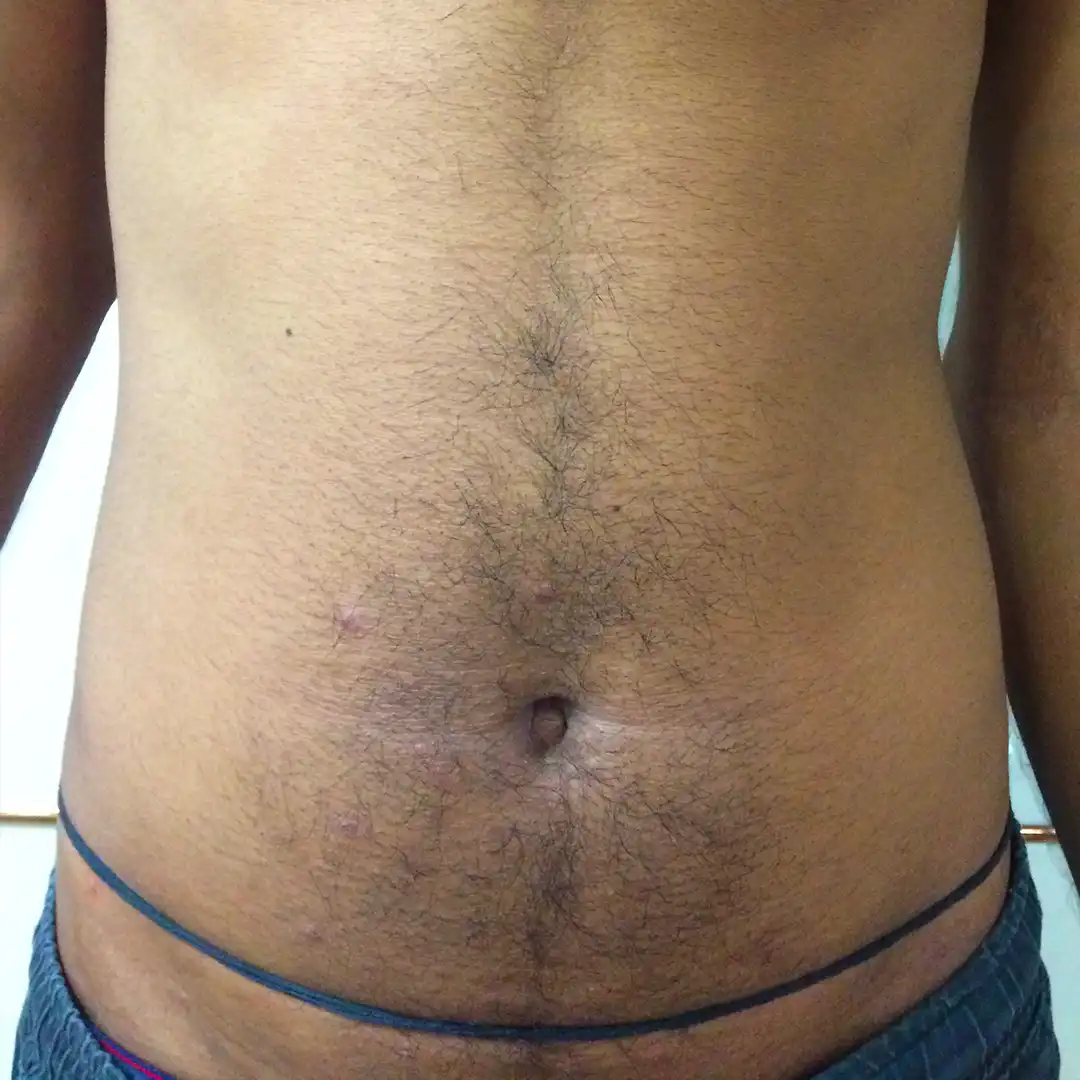
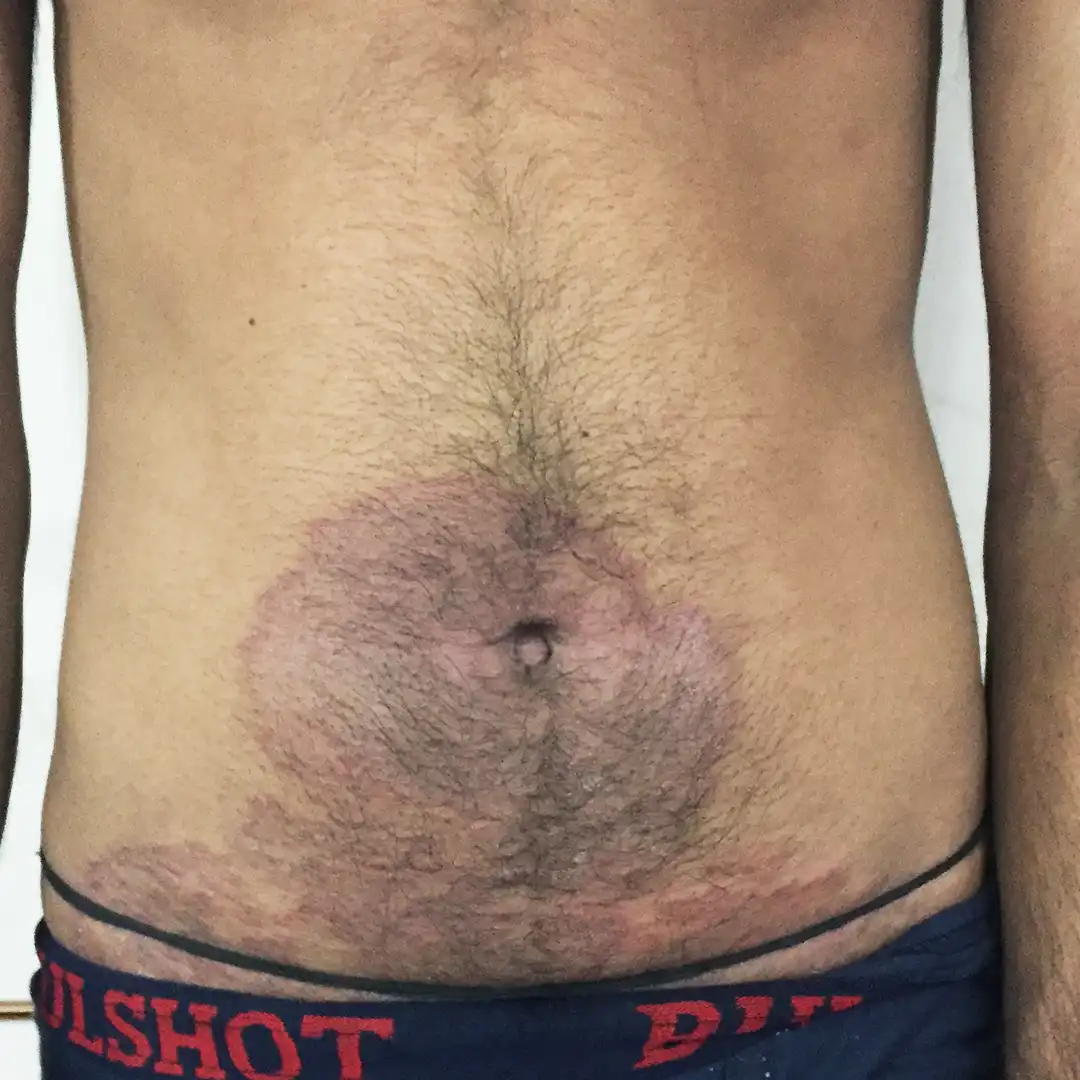
पेट के फंगल इंफेक्शन का ऑनलाइन इलाज - उपचार से पहले और बाद
➤ हमने एक ऐसे मरीज की तस्वीरें साझा की हैं, जिसे पेट के हिस्से में फंगल इंफेक्शन था। इलाज से पहले पेट के निचले हिस्से में लाल, सूजनयुक्त, जलन वाली और त्वचा के रंग में बदलाव वाली जगह दिखाई दे रही थी।
➤ मरीज ने ऑनलाइन त्वचा विशेषज्ञ से परामर्श लिया और डॉक्टर द्वारा बताए गए उपचार का पालन किया।
➤ मरीज के पेट और कमर के आसपास लाल चकत्ते, त्वचा में जलन, रंग में बदलाव और त्वचा पर स्पष्ट बदलाव दिखाई दे रहे थे।
➤ मरीज को NeoDermatologist के माध्यम से ऑनलाइन त्वचा विशेषज्ञ से फंगल इंफेक्शन के लिए व्यक्तिगत उपचार योजना प्राप्त हुई।
➤ इलाज के बाद लालिमा और सक्रिय फंगल इंफेक्शन में स्पष्ट सुधार दिखाई दिया और प्रभावित त्वचा धीरे-धीरे ठीक होने लगी।
➤ प्रभावित हिस्से में कुल मिलाकर सुधार देखा गया, जिसमें लालिमा और जलन कम हुई, हालांकि त्वचा पर कुछ रंग का बदलाव अभी भी दिखाई दे रहा था।
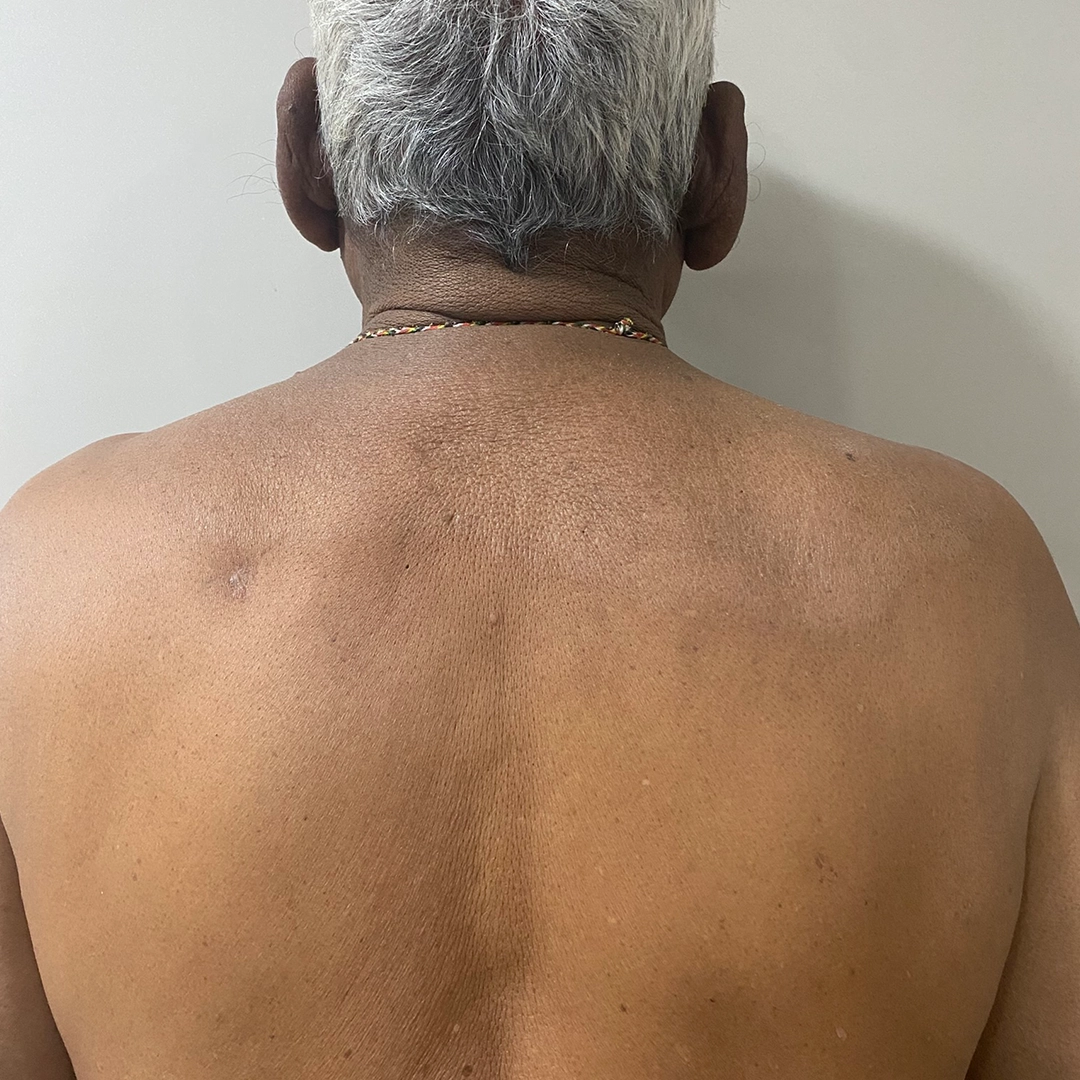
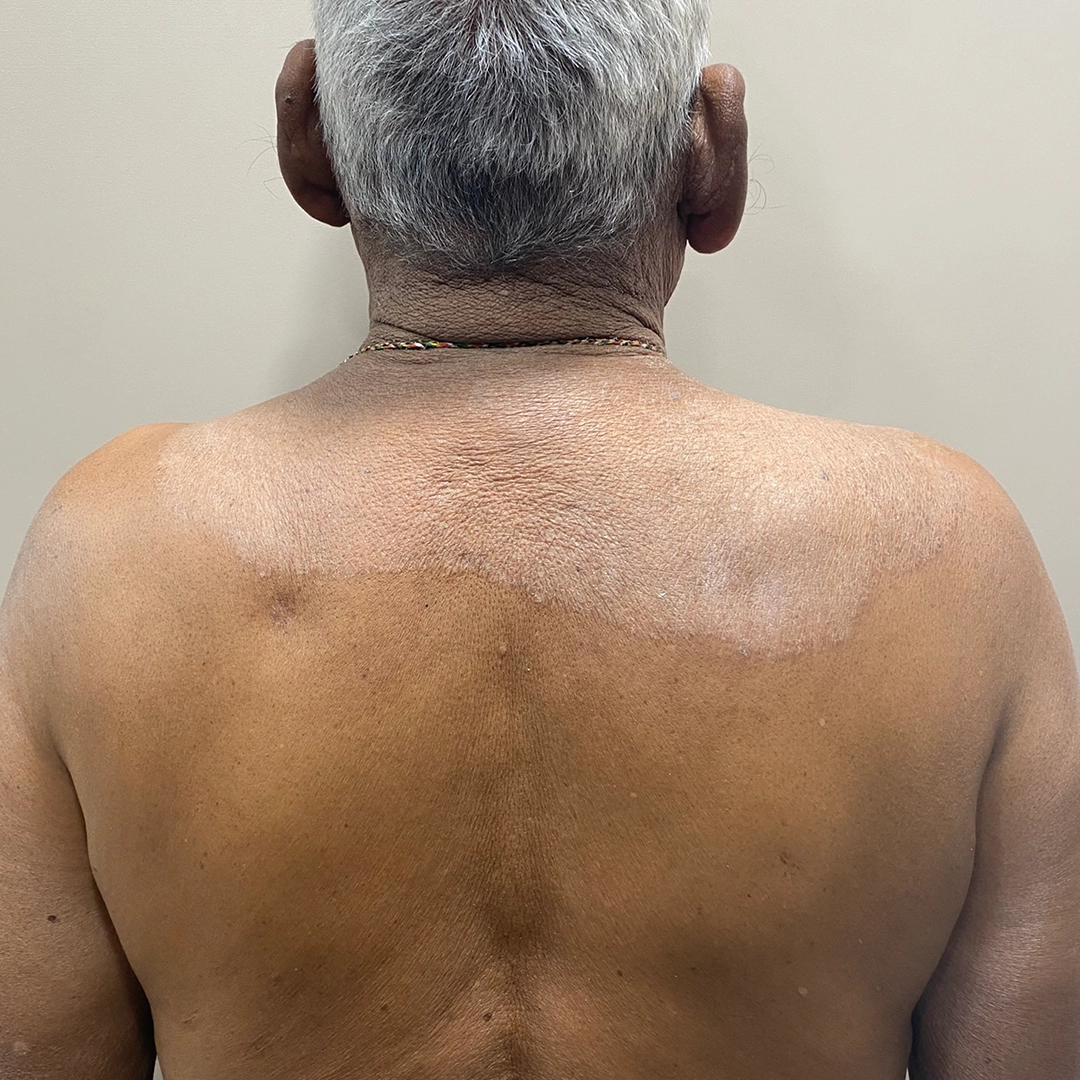
➤यहाँ हमने 62 वर्षीय पुरुष मरीज की तस्वीरें साझा की हैं, जिनकी ऊपरी पीठ पर दाद (रिंगवर्म इंफेक्शन) का संक्रमण दिखाई दे रहा था।
➤ऊपरी कंधे के आसपास की त्वचा पर बड़े, अनियमित आकार के हल्के सफेद और पपड़ीदार चकत्ते दिख रहे थे। त्वचा रूखी थी और हल्की खुजली तथा जलन महसूस हो रही थी।
➤मरीज कई महीनों से इस संक्रमण से परेशान था और धीरे-धीरे यह संक्रमण पूरी पीठ तक फैल गया था।
➤उन्होंने नियोडर्मेटोलॉजिस्ट के ऑनलाइन डर्मेटोलॉजिस्ट से परामर्श लिया और निर्धारित मौखिक एवं त्वचा पर लगाने वाली एंटिफंगल दवाइयाँ शुरू कीं।
➤ 20 दिनों के उपचार के बाद: स्पष्ट सुधार देखा गया - त्वचा की पपड़ी कम हुई, दाग हल्के पड़े और त्वचा सामान्य दिखने लगी।
➤➤मरीज को सलाह दी गई कि वह एंटिफंगल इलाज 6–8 सप्ताह तक जारी रखें और दोबारा संक्रमण से बचने के लिए स्वच्छता बनाए रखें।
रिंगवर्म संक्रमण (टिनिया कॉर्पोरिस)
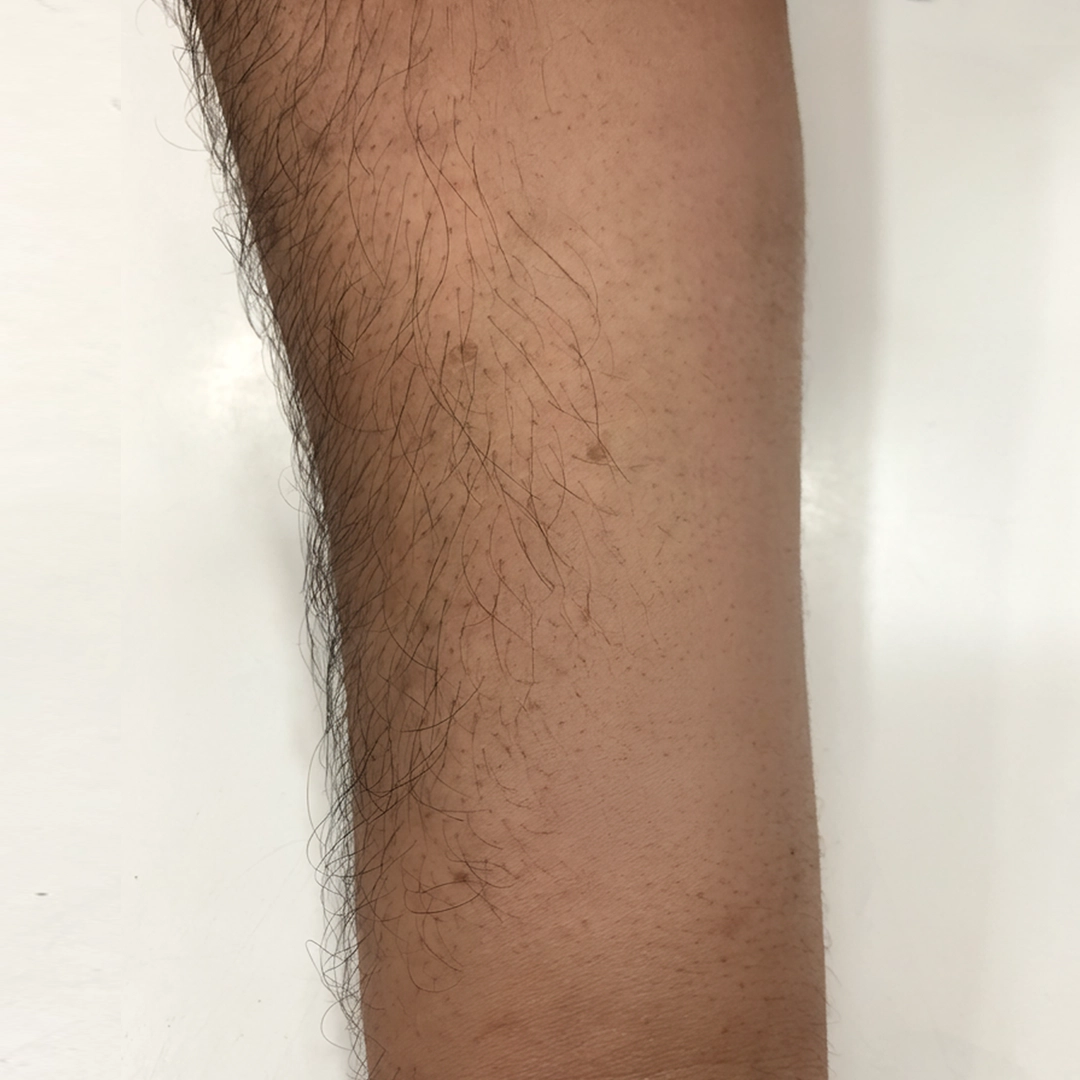
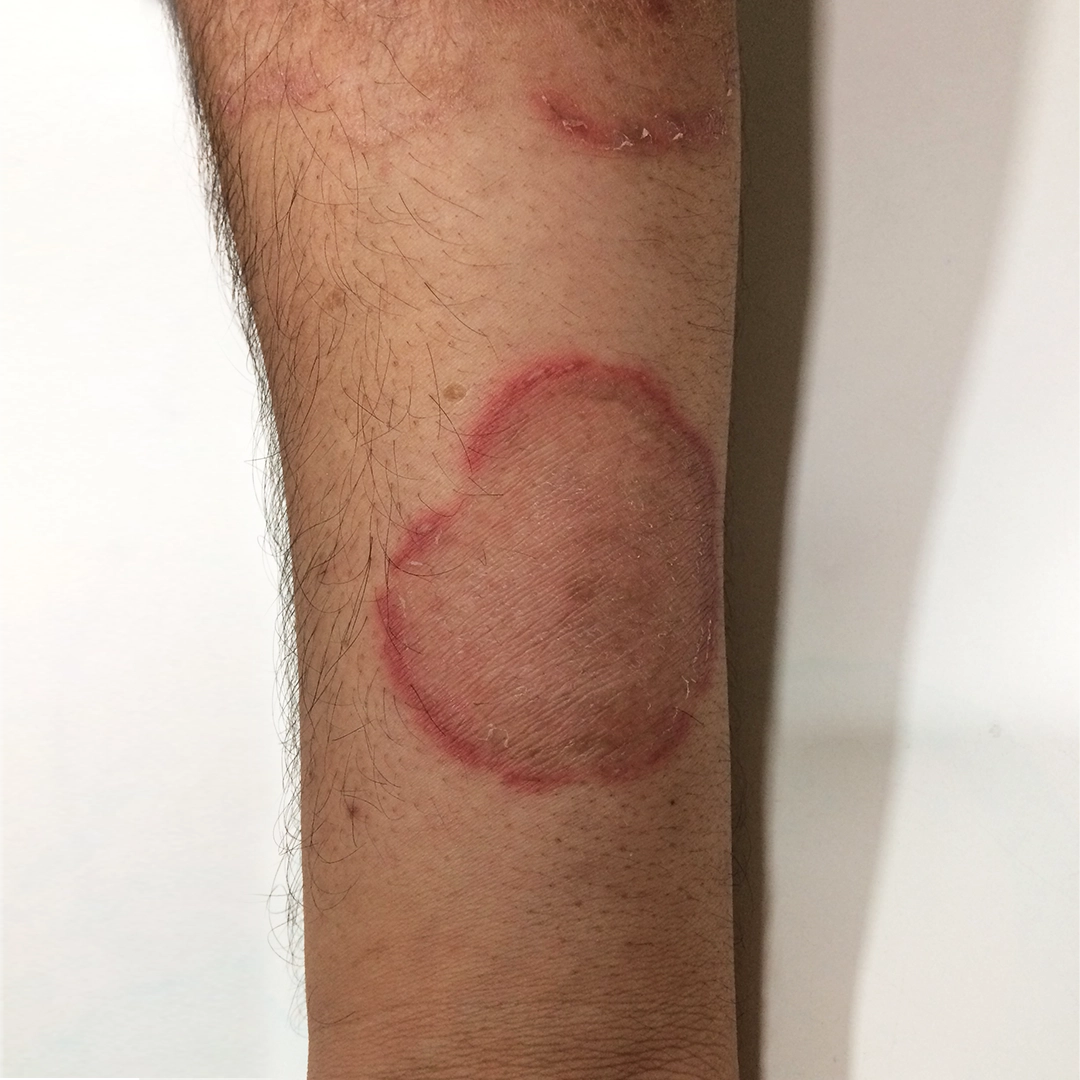
➤यहाँ हमने 38 वर्षीय पुरुष मरीज की तस्वीरें साझा की हैं, जिनमें उसके हाथ पर दाद (रिंगवर्म इंफेक्शन) दिखाई दे रहा है।
➤उपचार से पहले कई उभरे हुए, लाल, गोल चकत्ते जिनके किनारे उठे हुए थे, खुजली और जलन के साथ पपड़ीदार पैच दिख रहे थे।
➤मरीज कई महीनों से इन घावों से परेशान था और पहले के उपचारों के बावजूद संक्रमण बार-बार लौट रहा था।
➤उन्होंने नियोडर्मेटोलॉजिस्ट के ऑनलाइन डर्मेटोलॉजिस्ट से परामर्श लिया और निर्धारित एंटिफंगल दवाइयाँ शुरू कीं।
➤ 20 दिनों के उपचार के बाद स्पष्ट सुधार देखा गया - चकत्ते कम हुए, पपड़ी उतरनी कम हुई और त्वचा ठीक होने लगी।
➤मरीज को कम से कम 60 दिन तक उपचार जारी रखने और दाद संक्रमण से बचने के लिए सही सावधानियाँ (Do’s and Don’ts) अपनाने की सलाह दी गई है।
रिंगवर्म संक्रमण
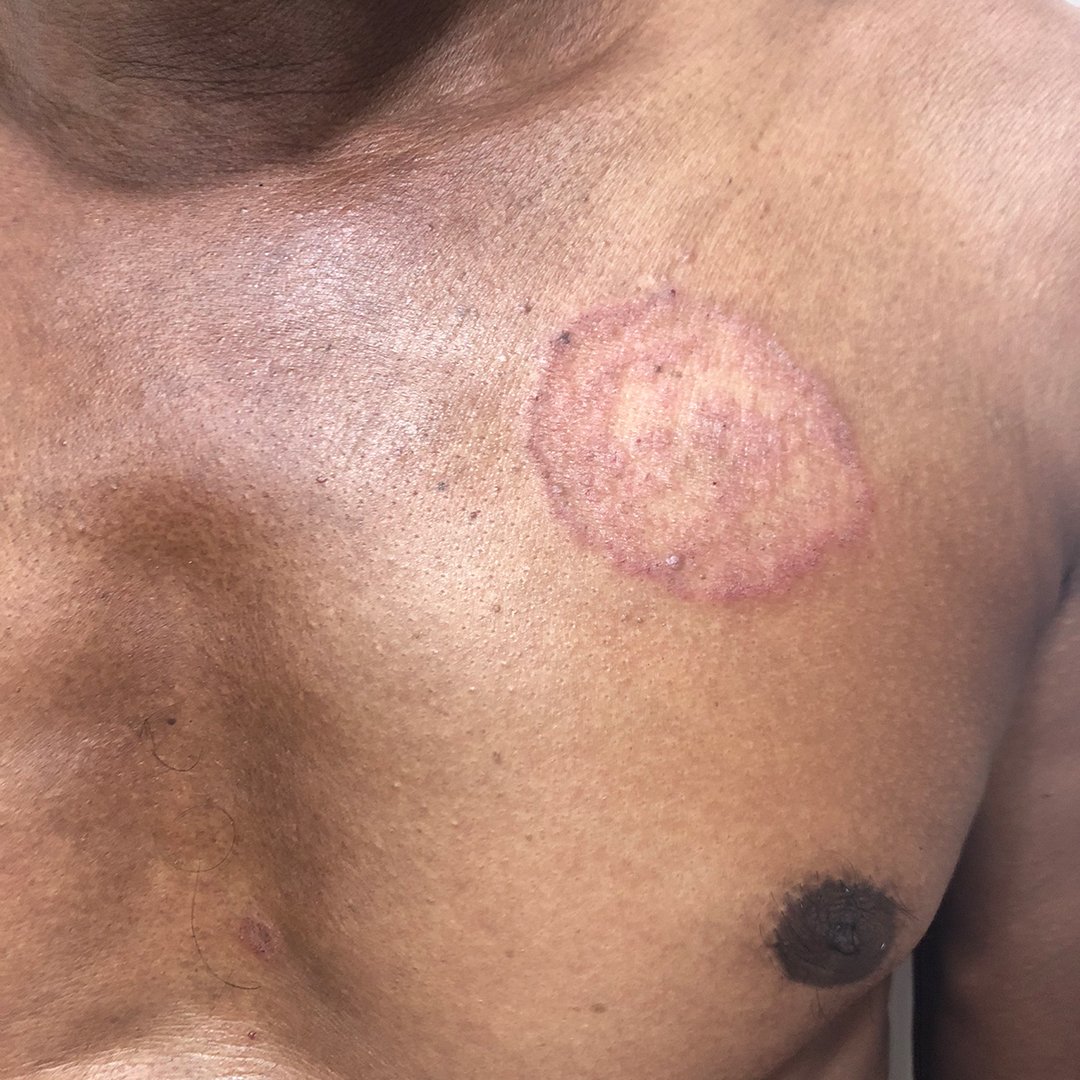
➤ यहाँ पर हमने 50 वर्षीय पुरुष मरीज की तस्वीरें पोस्ट की हैं, जिन्हें पूरे शरीर में फैला हुआ रिंगवर्म संक्रमण था।
➤ उन्होंने हमारे साथ ऑनलाइन त्वचा विशेषज्ञ (डर्मेटोलॉजिस्ट) से परामर्श लिया और 15 दिनों तक बताई गई दवाइयाँ लीं।
➤ मरीज को पिछले 8 से 10 महीनों से छाती, पीठ, पेट और निजी अंगों पर रिंगवर्म के दाने थे।
➤ उन्होंने पहले जनरल डॉक्टर और त्वचा विशेषज्ञों से इलाज लिया था, लेकिन संक्रमण बार-बार लौट आता था।
➤ बेहतर देखभाल के लिए मरीज ने ऑनलाइन त्वचा डर्मेटोलॉजिस्ट से कंसल्टेशन लेने का निर्णय लिया। 15 दिन की दवा के बाद अच्छा सुधार देखने को मिला।
➤ मरीज ने इलाज को कम से कम 60 दिनों तक जारी रखने का अनुरोध किया। मरीज को रिंगवर्म संक्रमण से जुड़ी जरूरी सावधानियों और क्या करें-क्या न करें की जानकारी दी गई।
फंगल इन्फेक्शन (टिनिया कॉरपोरिस)
➤ यहाँ पर हमने मरीज की फैली हुई फंगल इन्फेक्शन की तस्वीरें पोस्ट की हैं।
➤ उन्होंने ऑनलाइन डर्मेटोलॉजिस्ट से कंसल्टेशन लिया और 15 दिनों तक निर्धारित दवाएं लीं।
➤ मरीज को पीठ और शरीर के अन्य हिस्सों पर कम से कम 2 महीनों से रिंगवर्म की गांठें थीं।
➤ उन्होंने पहले एक जनरल प्रैक्टिशनर से दवाएं लीं और खुद से कुछ क्रीम्स भी लगाईं, लेकिन इन्फेक्शन बार-बार वापस आता रहा।
➤ इसके बाद मरीज ने हमारे साथ ऑनलाइन डर्मेटोलॉजिस्ट से कंसल्टेशन लिया और उचित रिंगवर्म का इलाज प्राप्त किया।
➤ दवाएं लेने के 15 दिनों के अंदर ही स्पष्ट सुधार देखा गया। मरीज ने अनुरोध किया कि इलाज को कम से कम 60 दिनों तक जारी रखा जाए। मरीज को फंगल इन्फेक्शन से जुड़ी ज़रूरी सावधानियों और सही देखभाल के बारे में समझाया गया।
फंगल इन्फेक्शन (टिनिया क्रूरिस)
➤ यहाँ पर हमने मरीज की फैली हुई फंगल इन्फेक्शन की तस्वीरें पोस्ट की हैं।
➤ उन्होंने ऑनलाइन डर्मेटोलॉजिस्ट से कंसल्टेशन लिया और 15 दिनों तक निर्धारित दवाएं लीं।
➤ मरीज को कम से कम 3 महीनों से पेट और प्राइवेट पार्ट्स पर रिंगवर्म की गांठें थीं।
➤ उन्होंने पहले एक जनरल प्रैक्टिशनर से दवाएं ली थीं, लेकिन इन्फेक्शन बार-बार लौटता रहा।
➤ इसके बाद मरीज ने neodermatologist.com पर ऑनलाइन डर्मेटोलॉजिस्ट से सलाह ली और विशेषज्ञ की देखरेख में रिंगवर्म का इलाज शुरू किया।
➤ निर्धारित दवाएं लेने के 15 दिनों बाद ही स्पष्ट सुधार देखा गया। मरीज ने पूरी तरह से ठीक होने के लिए इलाज को कम से कम 60 दिनों तक जारी रखने का अनुरोध किया। मरीज को फंगल इन्फेक्शन और उससे जुड़ी जरूरी सावधानियों (डूज़ और डोंट्स) के बारे में सलाह दी गई।
Typically, topical ringworm treatment creams need to be applied for 2 to 4 weeks, while oral antifungal tablets may be prescribed for 2 to 6 weeks, depending on the infection's severity. It’s important to complete the full course as prescribed to prevent recurrence.
If multiple people show signs of infection, it is advisable for all of them to be evaluated and, if needed, treated together. Coordinated treatment helps ensure that the fungus is completely eliminated from the environment, preventing the infection from coming back.
If the infection is spreading or worsening, it is important to start appropriate online ringworm treatment and take the prescribed medication on time.
You can read more about common skin and hair problems, including ringworm, and how SkinMate, our AI-powered dermatology nurse, is transforming dermatology care through technology. We regularly publish expert blogs covering dermatology treatments, AI advancements, and skincare tips. Explore our blogs latest content to stay informed and updated.
No, using steroid-based creams without a prescription is dangerous. Steroids may offer temporary relief but do not cure the fungus. Worse, they can make the infection harder to treat and cause side effects like skin thinning and recurrence. Always seek professional guidance before using any topical or oral medications.
No, home remedies like garlic paste or onion oil are not recommended. These substances can irritate or burn the skin and do not eliminate the fungal infection. Instead, they may worsen the condition or cause long-term damage.
The best medicine for ringworm infection depends on the severity and location of the infection. Commonly prescribed ringworm treatment tablets include terbinafine, itraconazole, and fluconazole, while ringworm treatment creams like clotrimazole, miconazole, or luliconazole are used for topical application. Always consult a dermatologist for the correct medication.
If you experience any issues, such as login errors, payment problems, trouble uploading photos, difficulty chatting with SkinMate, or if you are not receiving accurate information and feel confused during the WhatsApp chat, you can contact our support team at +91 92 58 700 600 for immediate assistance.
In addition, if you have purchased medicines and need help with your tracking ID, knowing when the parcel will be delivered, checking where your medicines are, or have any other queries related to medicine purchase or delivery, our support team is also available to assist you right away.
The best medicine for ringworm in the private parts includes antifungal creams like Luliconazole, Clotrimazole, or Ketoconazole, prescribed by a dermatologist. In severe or spreading infections, oral antifungal tablets such as Itraconazole or Terbinafine may be needed for faster recovery. Always consult a dermatologist before starting treatment to avoid irritation or recurrence.
Yes, but only dermatologist-recommended antifungal creams should be used. Avoid using steroid-based creams, as they can worsen fungal infections and cause skin thinning or pigmentation. Use the cream twice daily on clean, dry skin as advised by your doctor.
Ointments containing Luliconazole, Clotrimazole, or Sertaconazole are among the most effective for quick itch relief and healing. However, results depend on infection severity and skin sensitivity - follow your dermatologist’s full course for lasting results.
A 3 day ringworm treatment may reduce itching, redness or burning, but it usually does not cure the fungal infection completely. Proper ringworm medicine, tablet or cream depends on the body area, severity and recurrence. Do not stop treatment early or use steroid-mix creams without a dermatologist’s advice. For better recovery, it is important to understand how to treat the ringworm with the right medicine, hygiene and complete care pla
Antifungal creams recommended by a doctor are commonly used for ringworm, but the right cream depends on the location and severity of the infection. Avoid using steroid-containing creams without medical advice, as they may temporarily reduce itching while allowing the fungal infection to worsen. Keeping the affected area clean and dry is also important.
For ringworm that has been present for 5 years or keeps recurring, it is important to consult a dermatologist for proper evaluation and treatment. The appropriate medicine may vary depending on the location and severity of the infection, previous treatments, and any history of steroid cream use. Completing the prescribed antifungal treatment course, keeping the skin dry, and taking measures to prevent reinfection are important parts of treatment.
Ringworm Self-Assessment Test
Answer 5 simple questions to check your ringworm severity and get the right treatment through an online dermatologist consultation from NeoDermatologist.
 Hin
Hin En
En








Comments
Umesh
Dad
Vindhyachal Rajak Vrt
दाद दिनाय का आपका दिया हुआ सुझाव बहुत अच्छा लगा इसके लिए बहुत बहुत धन्यवाद सर
Rakesh Rana
दाद
Abul kalam khan
Hamen lagbhag 2 sal se hai bahut dawa kiya lekin thek nahin hota hai dobara wapas aa jata hai lihaja kirpiya kar. Ke aisi dawa batayen jisse hame keliye khatm. Ho jaye
Ali
Explained very well especially the point about avoiding self medication, which is really important. People often use creams without proper knowledge, and later the problem becomes more serious.
Kunal Rana
Very informative blog. Many people think ringworm can be cured in 2–3 days, but in reality fungal infection usually needs proper antifungal treatment for a few weeks, and stopping medicine early often makes it come back again. Creams, tablets, and hygiene all play an important role, and treatment depends on how severe the infection is. I liked that the blog explained the difference between medicines and why complete treatment is necessary, because most people make mistakes by using random creams or steroids which can worsen the infection. This kind of detailed guidance is really helpful for people dealing with recurring ringworm.
Omprakash
Dad ka sai vistar se samzaya hai
Mohd usman
मैने 45 दिनो तक मेडिसिन ली उसके बाद मेडिसिन महंगी होने के कारण मैने मेडिसिन लेना छोड़ दिया दाद खाज खुजली सब खत्म हो गया था 5 दिनो से मैने मेडिसिन नहीं खाई दाद फिर से उभर रहा है और खुजली भी हो रही है मेरे पीठ पर एक हल्का सा गोल चक्कर सा निशान उभर ने लगा है फिर से और हिप्स पर और जांघों के किनारे भी दाद के चक्कते पढ़ने लगे है हल्के हल्के पैसे सिर कोई मेडिसिन लिख दो और कितने दिनों तक खानी है वो भी लिख दो
Raja ramanand harojan
Jalan or Khushali or dad
अजय
मेरा नाम अजय है। मैं लंबे समय से दाद और खुजली की समस्या से परेशान था। आपकी जानकारी पढ़कर मुझे बहुत मदद मिली। खासकर दाद खाज खुजली की दवा और बेस्ट टेबलेट की जानकारी के बारे में जो सुझाव दिए गए हैं, वे काफी उपयोगी लगे। धन्यवाद, अब मुझे सही इलाज चुनने में आसानी होगी।
Rajesh
Me dad ke liye ketenazole and intaracozole ke sath mujhe teblet bhi di thi uska naam mujhe pata nahi raha wo aap bata do
Durva Patil
बहुत ही उपयोगी जानकारी दी गई है इस लेख में। दाद की दवा के बारे में विस्तार से समझाया गया है, जिससे आम लोगों को सही इलाज चुनने में मदद मिलेगी। खासतौर पर क्रीम और टेबलेट के विकल्प बहुत अच्छे से समझाए गए हैं। धन्यवाद इस जानकारीपूर्ण लेख के लिए!
Kiran Prajapati
This blog is really informative! I appreciate how clearly you've explained both topical and oral antifungal treatments for ringworm. It’s especially helpful to know when it’s time to stop self-treatment and consult a dermatologist. Great work in raising awareness about getting the right medical advice at the right time!
Post a comment