 Hin
Hin En
En


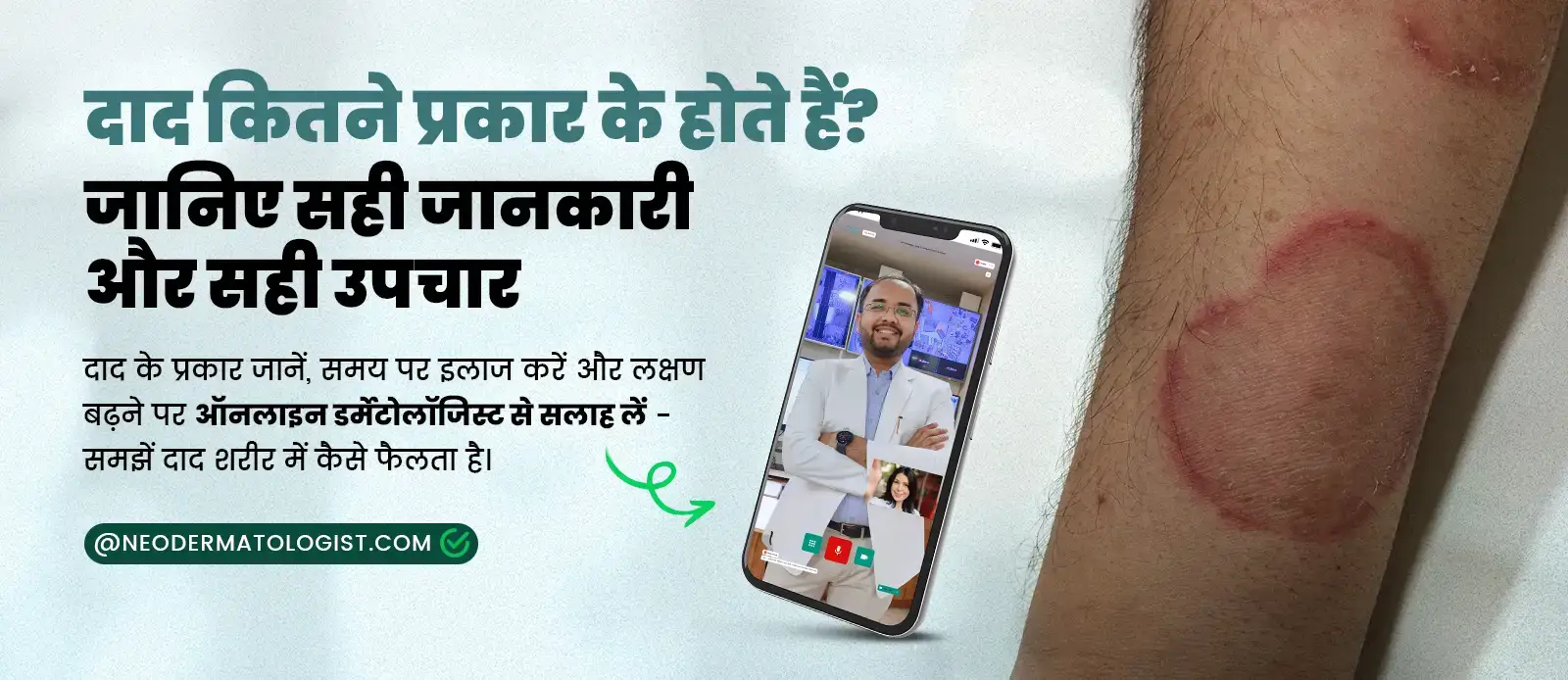


Stages of Ringworm: Pictures, Treatment, Symptoms & Healing Signs
Introduction:
Ringworm is a common fungal skin infection that can change in appearance as it develops. Understanding the stages of ringworm - from the first small, itchy patch to active spreading and eventual healing - can help you recognize changes in the skin and seek appropriate treatment early.
Ringworm, also called dermatophytosis or tinea, is caused by dermatophyte fungi that grow in keratin-rich areas such as the skin, hair and nails. Warmth, moisture and close skin-to-skin contact can make fungal infections easier to spread - making the infection highly common in India. The appearance can vary depending on the body area, the type of tinea and whether treatment has already been used .
On this page, you’ll learn what the different stages of ringworm may look like, what changes can occur during healing, and which signs should prompt an online dermatology consultation. If you are searching for “ringworm stages pictures” or “first stages of ringworm,” focus on the pattern and progression rather than trying to diagnose yourself from a single image.
Ringworm Symptoms: From Early Signs to Healing
Ringworm does not look exactly the same in every person, but its appearance often changes as the infection progresses. Common patterns include:
Below is a quick overview:
- Early Stage: Small red or pink patch with mild itching
- Active Stage: Expanding circular rash with raised, scaly borders
- Spreading Stage: Ring-shaped lesion grows larger with a clear center
- Healing Stage: Reduced redness, scaling decreases, and itching improves
These visible changes are often searched as “ringworm symptoms in humans”, “healing stages of ringworm pictures”, or “what does ringworm look like when healing”.
Take the Next Step With an Online Dermatologist
Tap START CONSULTATION and apply code FPCND100 to claim your free dermatologist consultation online instantly.
Hello, I am Dr. Karma Patel, a dermatologist specializing in ringworm treatment and fungal skin infections. Many patients delay treatment because early ringworm symptoms look mild or are confused with other skin conditions.
With online dermatology consultation, early diagnosis becomes easier, faster, and more accurate - especially when symptoms are identified visually through ringworm stages pictures.
If you’re experiencing symptoms like itching in the inner parts or signs of a ringworm infection, get an online dermatology consultation at neodermatologist.com. Our certified dermatologists specialize in treating fungal infections and have successfully treated over 15,000 cases.
⭐⭐⭐⭐⭐ 4.9 Rating | 20,000+ Consultations Completed | Our Certified Dermatologist Available 24/7 For You
What is Ringworm Disease?
Ringworm, or dermatophytosis, is a fungal infection affecting the skin, scalp, or nails.
It is highly contagious and can spread through:
- Direct contact with an infected person or pet.
- Contaminated objects like clothing, towels, or bed sheets.
- Poor hygiene and humid conditions often exacerbate the condition.
Common Types of Ringworm
- Tinea corporis: Ringworm on the body (glabrous skin) excluding palms and soles, groin, and face.
- Tinea capitis: Ringworm of the scalp, often leading to hair loss.
- Tinea pedis: Athlete’s foot, affecting the feet.
- Tinea cruris: Jock itch rash, affecting the groin area.
- Tinea faciei: Ringworm on glabrous skin of the face (non-bearded areas).
- Tinea manuum: ringworm infection of the hand.
Stages Of Ringworm With Pictures (Early to Advanced)
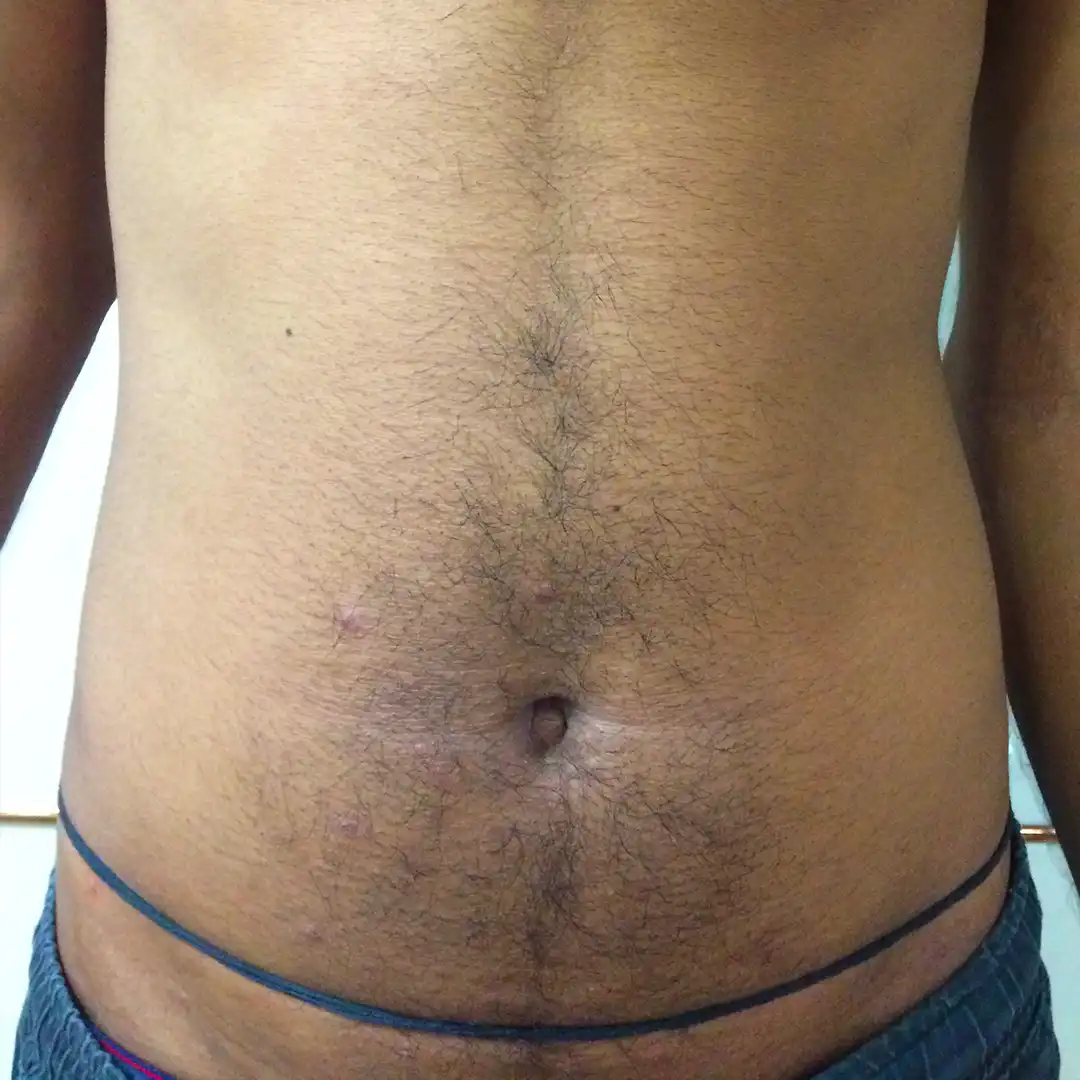
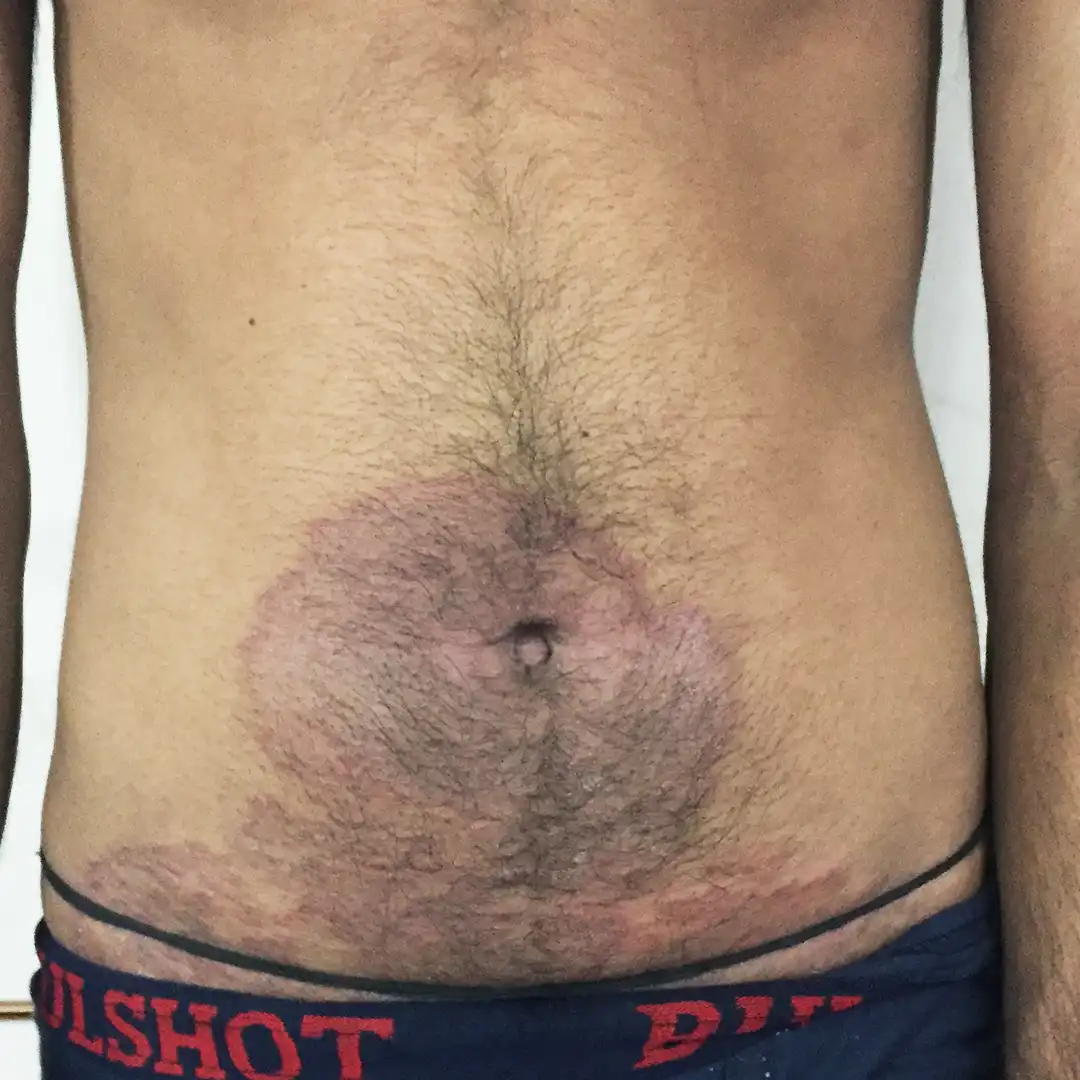
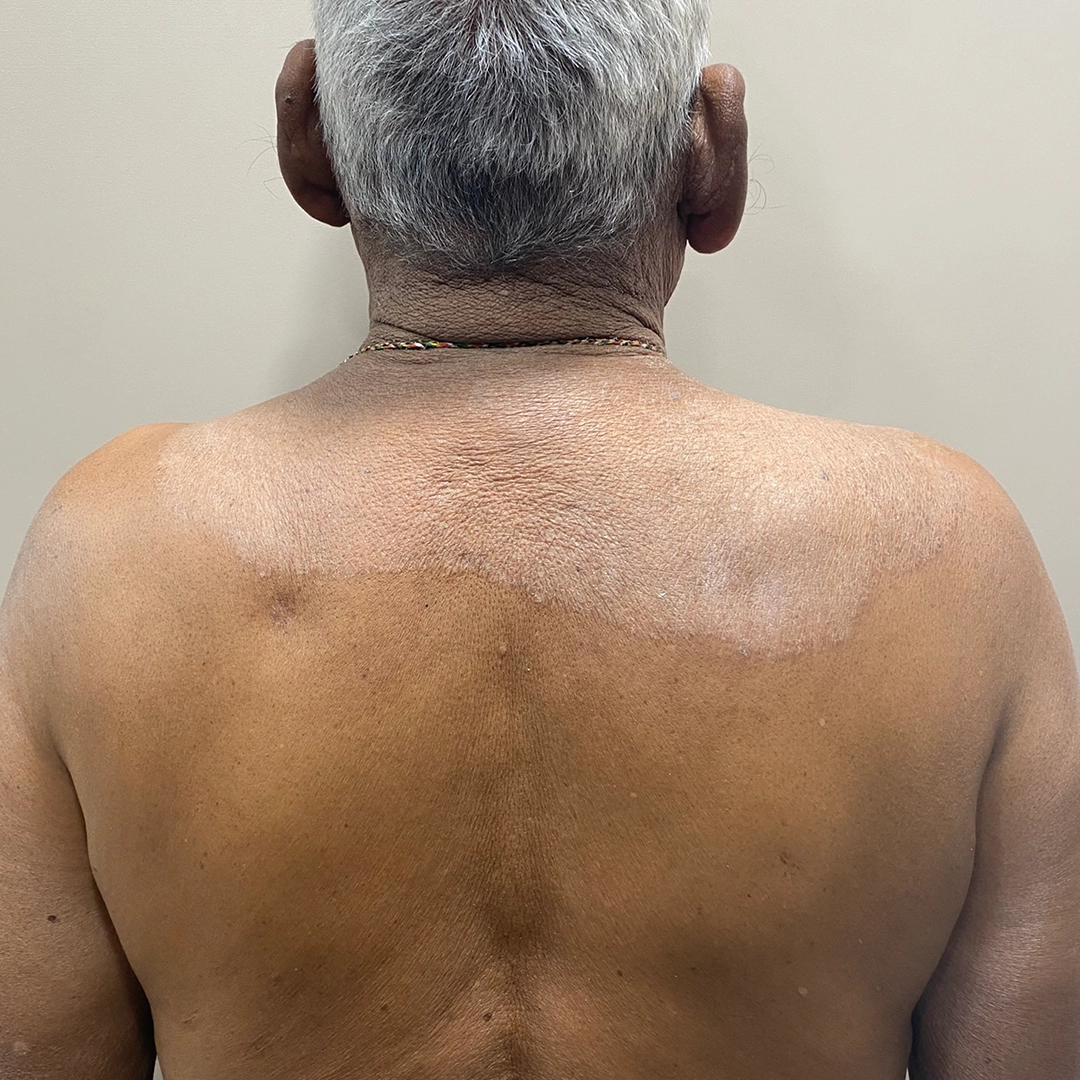
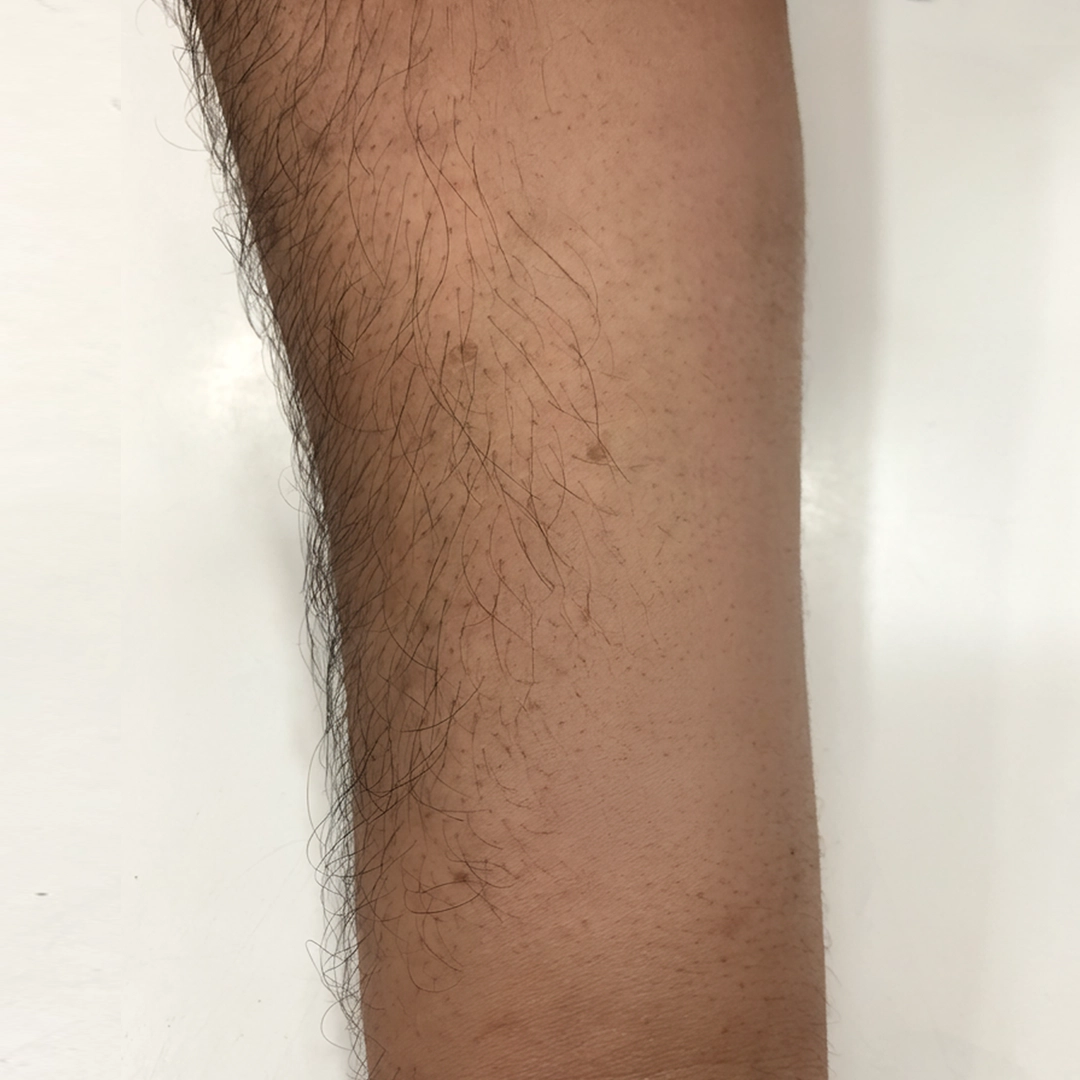
Ringworm can change in appearance as the infection develops. The stages of ringworm commonly begin with a small area of redness or itching and may progress to an expanding, scaly, ring-shaped rash. With appropriate treatment, redness, scaling, and itching usually improve gradually.
The exact appearance and progression can vary depending on the type of ringworm, body area, immune response, and whether treatment has already been started.
- Stage 1 - Exposure and Colonization
Ringworm spreads through direct contact with an infected person, animal, or contaminated objects like clothes, bed sheets, or towels. Factors like trauma, maceration, and increased hydration of the skin promote inoculation of pathogenic fungi. The microscopic fungal spores land on the skin and begin to colonize. In the first stage of ringworm, symptoms may be mild or not immediately noticeable.
- Stage 2 - Initial Invasion
During the beginning stages of ringworm, the infection may not yet have the typical ring-shaped appearance.
Infection occurs when the viable hyphae are deposited on the surface of the host. After 12 hours of inoculation, spores and the outer layer (stratum corneum) adherence occurs, and by 24 hours of inoculation, extracellular initial growth of germ tubes occurs. By the third day itself, the invasion of the outer stratum corneum takes place. The dermatophytes use enzymes to break down the keratin in your outer skin layer (stratum corneum). The initial breakdown of the proteins changes the skin pH from acidic to alkaline, which in turn activates more enzymes for the maintenance of the infection. Penetration of fungal elements is much faster at 35 degrees Celsius, and it also requires 90% humidity for the penetration into the stratum corneum. During this initial invasion, there may be no noticeable ringworm symptoms, and you may be unaware that you are infected.
There are two factors that are important in determining the size and duration of the lesion once the infection is established. The first is the growth rate of the organism and second is epidermal turnover rate.
- Stage 3 - Inflammation and the Classic Ring
As the fungi spread outwards, the immune system detects them and launches an inflammatory response. There is an increased epidermal turnover at the inflammatory periphery of the lesion and in the other areas, epidermal turnover is almost the same as normal skin. This creates the hallmark ringworm symptoms:
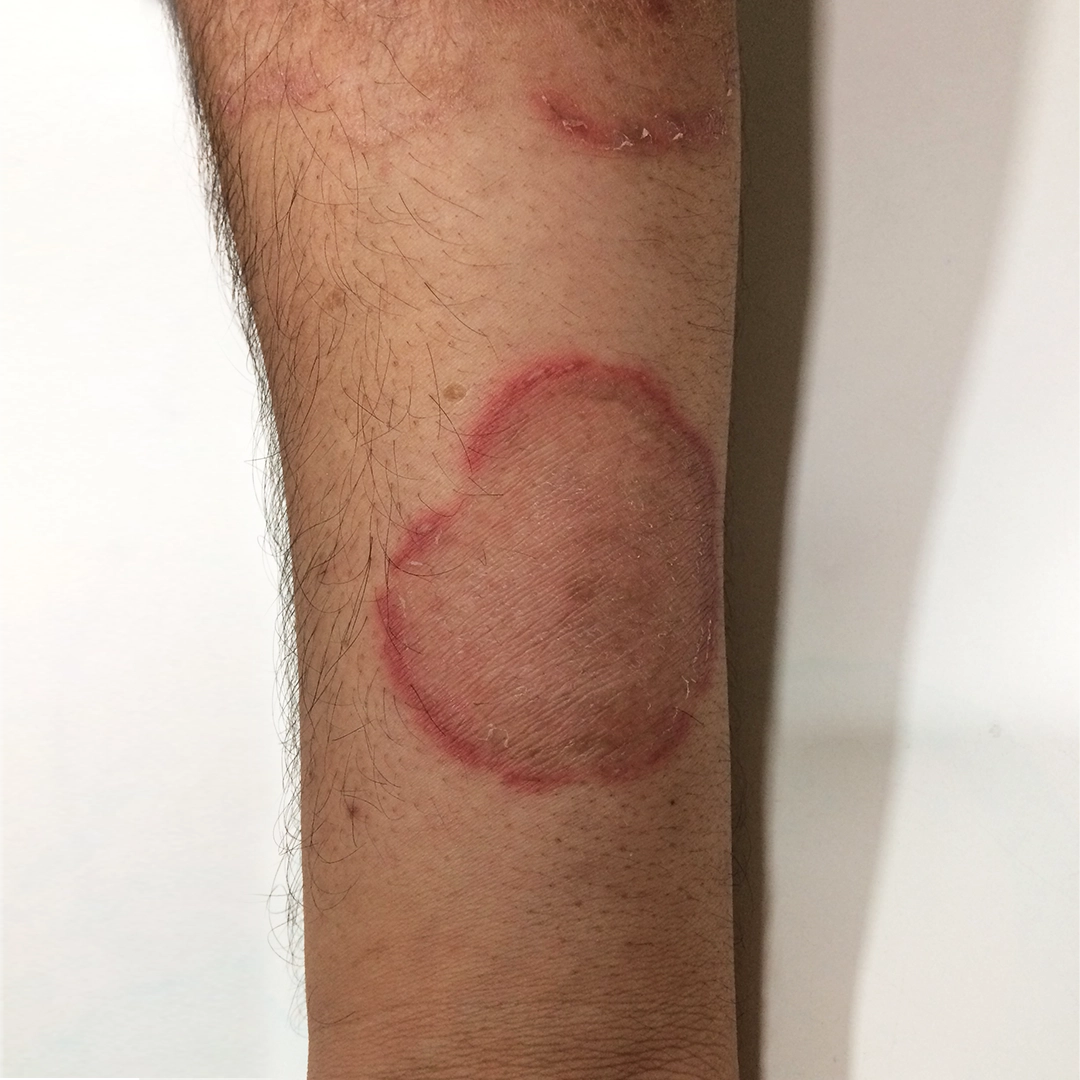
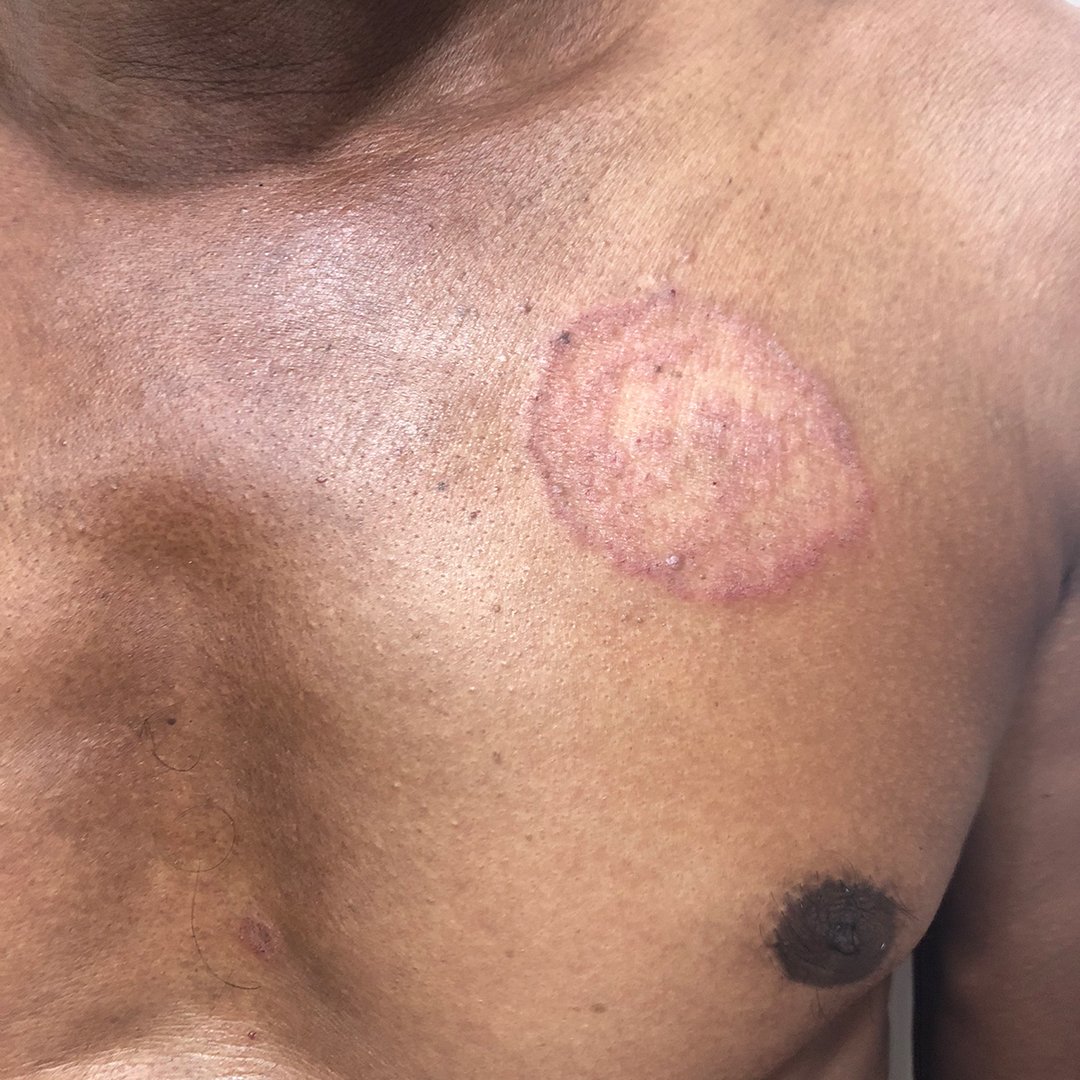
- Ringworm rash and classic ring: A circular, red rash with a raised, scaly border.
- Clearer centre: The center of the rash may clear somewhat, giving it a classic "ring" appearance.
- Itching and discomfort: Itching and discomfort are common.
- Treatment-related changes: Inappropriate treatment with topical steroids decreases the inflammation and alters the clinical appearance.
Stage 4 - Expansion and Complications:
If left untreated, ringworm can spread to other parts of the body and, through direct contact or contaminated objects, may spread to household members. In some cases, secondary bacterial infections may also occur. To prevent complications, early diagnosis and treatment are essential.
Below infographic presents 4 ringworm stages pictures along with their names for easy understanding.

Ringworm Symptoms in Humans (Early to Advanced Stages)
Ringworm symptoms can vary depending on the body part affected, the stage of infection, and skin type. Below is a complete stage-wise symptom breakdown to help users identify the condition quickly.
What Does Ringworm Look Like When It Starts?
In its early stage, ringworm may appear as a small red, pinkish, or slightly scaly patch on the skin. It may cause mild itching, irritation, or a burning sensation. The rash may not have a clear ring shape at first and can sometimes resemble dry skin, eczema, or an allergic rash.
Early Ringworm Symptoms (Day 1-3):
- A small red, pinkish, or brownish patch
- Mild itching, irritation, or burning
- A slightly dry or scaly area
- A flat or mildly raised patch
- A rash without a clearly defined ring at first
- Gradual enlargement of the affected area

As the infection spreads, the outer edge may become more raised, red, and scaly, while the center can appear relatively clearer. However, not every rash with a ring-like appearance is ringworm, so appearance alone cannot confirm the diagnosis.
If your are confused between ringworm and eczema, read this blog to understand the difference between to - Nummular Eczema vs Ringworm.
Developing Ringworm Symptoms (Day 3-7)
- Circular or oval rash begins to form
- Edges become raised, bumpy, or scaly
- Itching increases
- The center of the patch may look lighter or normal, starting the classic “ring” appearance
- Mild inflammation around the border
Classic Ringworm Symptoms (Day 7-14)
This is when the infection becomes very recognizable:
- Red, scaly, ring-shaped patch with a clear center
- Sharp, raised borders
- Flaking, dry, or cracked skin
- Multiple rings may appear if spreading
- Sometimes, small blisters or pus-filled bumps develop on the edges
Advanced / Spreading Ringworm Symptoms
- Rings enlarge and merge with other infected patches
- Severe itching and irritation
- Skin becomes more inflamed
- Crusting or oozing (if scratching causes skin damage)
- Secondary bacterial infection may develop in severe cases
Body-Area Specific Ringworm Symptoms
| Body (Tinea Corporis) | Scalp (Tinea Capitis) | Groin / Jock Itch (Tinea Cruris) | Feet (Athlete’s Foot) |
| Red circular rash | Bald patches | Red rash on inner thighs | Itching between toes |
| Scaly surface | Hair breakage | Sharp, well-defined borders | Peeling skin |
| Burning sensation after sweating | Itchy, flaky scalp | Worse after exercise or sweating | Small blisters |
| Itching increases with friction | Sometimes swollen lymph nodes | Burning or stinging sensation | Foul odor |
Treatment Options for Ringworm on Skin
Effective treatment varies by the stage and severity of the infection. In the early stages of the infection, topical anti-fungal medications may suffice to clear the infection. In advanced cases, it is advised consulting a dermatologist as these are the experts who are specialized in diagnosing and treating ringworm infection. A dermatologist can prescribe anti-fungal medications both oral and topical as per the severity and a stage of the ringworm infection, and also can advise on do's and don't in ringworm infection. As highlighted in an article published by the American Academy of Dermatology, antifungal medicines are effective in clearing ringworm from all areas of the body. However, recovery may take longer in certain areas, such as the nails and hands, making it crucial to follow your dermatologist’s prescribed treatment plan and attend all follow-up consultations.
Ringworm Healing Stages: What Does Recovery Look Like?
If you're wondering what ringworm looks like when healing, the infection goes through very clear recovery changes. Recognizing these ringworm signs and symptoms helps you know whether the treatment is working or if you need medical support.
Ringworm When Healing – Key Signs
- Less Redness
- The bright red or inflamed ring becomes lighter and less irritated.
- Itching Decreases
- One of the first improvements - itching reduces significantly.
- Ring Starts Fading From the Center Outward
- The center clears first, and the ring becomes thinner and less defined.
- Flakiness Reduces
- Dry, scaly skin becomes smoother as the fungal activity decreases.
- Skin Tone Begins to Return
- The affected area gradually matches your normal skin color.
What Does Ringworm Look Like When It Is Healing?
As ringworm responds to appropriate treatment, redness, scaling, and itching may gradually decrease. However, changes in the skin's appearance do not always mean that the infection has completely cleared. If the rash continues to spread, new lesions appear, or symptoms return, a dermatologist should reassess the condition.
How to Confirm Ringworm Is Healing
- The patch stops expanding.
- The edges become less raised or bumpy.
- No new rings or spots appear.
- Irritation or burning reduces over time.
If your symptoms improve within 7–10 days of treatment, it usually indicates that the ringworm is healing properly.
The infographic below explains the ringworm healing stages day by day, from active infection to complete skin recovery.

When Ringworm May Not Be Healing
You should suspect delayed healing if:
- The ring continues to spread
- New red patches appear
- Itching becomes severe
- The rash becomes painful, crusty, or oozing
In such cases, prescription antifungal medication may be required.
So, if your ringworm isn’t healing, get a dermatologist's help today. Start a Consultation now on neodermatologist.com, or Book a consultation instantly via WhatsApp with our AI-powered Dermatology Chatbot, and get expert care from our certified dermatologists.
Prevention Tips for Ringworm Disease
Good hygiene practices (washing hands regularly, not sharing personal items) are essential to prevent the spread of infection.
Read more about How to Treat & Cure Ringworm - Best Prevention Ringworm Infection Tips.
Why Consult a Dermatologist Online?
At neodermatologist.com, our experienced dermatologists offer expert care and fast support for skin issues like ringworm, especially when early intervention is critical.
Here’s what you can expect:
- Accurate diagnosis of ringworm symptoms at different stages, from mild to severe.
- Tailored treatment plans are based on the type, location, and stage of ringworm infection.
- Guidance on managing and preventing recurrence, including tips specific to humid and summer-prone climates.
We offer photographic and video consultation services for quick and effective care. Upload photos of the affected area, fill in your medical history, and book an appointment. Our team is committed to responding within 20 minutes.
You can also check our patient photo gallery to see how we’ve helped reduce fungal infections over time.
Watch & Learn: How Ringworm (fungal infection) Develops on the Skin
Watch this short video and consult with our expert Neodermatologists today: Watch on YouTube
Read this page in Hindi → दाद के लक्षण और चरण: दाद त्वचा में कैसे फैलता है?
If you have other skin or hair-related concerns, then explore other treatments or online consultation services we provide on our website like:
- Acne Treatment
- Hair Loss Treatment
- Eczema Treatment
- Psoriasis Treatment
- Scabies Treatment
- Urticaria Treatment
- Vitiligo Treatment
- Melasma Treatment
- Skin Care Consultation Online
Conclusion
Ringworm and other fungal infections spread faster in hot, sweaty weather. If you notice early symptoms, don’t ignore them. Early treatment helps prevent the spread and quickens recovery.
Recognizing ringworm symptoms early - and understanding how each healing stage looks - is the key to faster recovery and preventing spread. With the right antifungal treatment and expert guidance, most people recover fully within 2-4 weeks. If you’re experiencing ringworm symptoms in humans or on children, do not delay - consult a certified dermatologist at neodermatologist.com for a fast, accurate diagnosis and personalized care plan.
Consult a Dermatologist Online Now
To view our other blogs related to fungal/daad infections in both Hindi and English, please click the link below:
Thank you
M.B.,F.M.D.C. | GMC Reg: G-53014
A dermatologist specializing in online consultations for skin, hair, and nail concerns. Offers expert care for acne, pigmentation, eczema, scabies, ringworm, scalp infections, dandruff, psoriasis, vitiligo, hives, and hair loss, providing effective, personalized treatment solutions from the comfort of home.







Comments
Bhavini Shah
Really informative blog! I had no idea that ringworm isn’t caused by a worm but by fungi. The explanation of its stages - from the initial infection to the classic ring appearance - made it so easy to understand how it spreads. I was looking for exactly this kind of information, and after reading the blog shared by NeoDermatologist. The prevention tips and advice on consulting a dermatologist online are super helpful, especially in the current busy lifestyle. I’m definitely going to book a consultation with this amazing platform. Thanks for sharing!
Padma Teli
मैं कोलकाता से हूँ। मैं काफी समय से रिंगवर्म (दाद) की समस्या से परेशान थी। मैंने कई बार इन-पर्सन ट्रीटमेंट भी लिया लेकिन कोई खास फर्क नहीं पड़ा। एक दिन मैं ऑनलाइन इलाज के बारे में सर्च कर रही थी, तभी मुझे यह ब्लॉग मिला और यहीं से मुझे Neodermatologist के बारे में पता चला। यह ब्लॉग बहुत ही उपयोगी और जानकारीपूर्ण है! इसमें बताया गया कि दाद कैसे फैलता है और उसके लक्षण क्या होते हैं, वह जानकर काफी मदद मिली। मैंने तुरंत neodermatologist.com पर ऑनलाइन त्वचा विशेषज्ञ से परामर्श लिया और मेरी रिंगवर्म की समस्या अब पूरी तरह से ठीक हो गई है। मैं सभी को यही सलाह दूंगी कि अगर आप दाद या किसी भी त्वचा समस्या से परेशान हैं, तो यहाँ ज़रूर कंसल्ट करें।
Shivani
This blog was really helpful—I found all the information I was looking for about fungal infections. While reading, I also discovered the online consultation services and came across reviews of Dr. Ruchir Shah’s treatment. I'm impressed with the approach and results shared. I would definitely recommend this online consultation to my nephew, who is dealing with ringworm.
Post a comment