 Hin
Hin En
En


White Patches on Skin: Causes, Types, Symptoms & When to See a Dermatologist
Medically Reviewed & Written by a Board-Certified Dermatologist - Dr Ruchir Shah - Founder, NeoDermatologist | Certified Dermatologist
⭐⭐⭐⭐⭐ 4.9 Rating | 12,000+ Consultations Completed | Our Certified Dermatologist Available 24/7 For You
White patches on the skin are areas of skin that lose their natural pigment (melanin). The most common cause is vitiligo, but they can also result from calcium or vitamin deficiency, fungal infections (tinea versicolor), pityriasis alba, or post-inflammatory hypopigmentation. A dermatologist can diagnose the exact cause with a simple examination or Wood's lamp test. White patches on the skin are more common than most people realise. Yet, they can cause significant anxiety - especially when they appear on the face, hands, or other visible areas. The big question most people ask: Is this vitiligo? Is it spreading? Is it curable? This guide answers all of those questions clearly, so you know exactly what you're dealing with, when to seek professional help, and what guidance Dr Ruchir Shah recommends for proper diagnosis and treatment.
What Are White Patches on Skin?
White patches on skin, medically referred to as hypopigmentation or depigmentation, are areas where the skin produces little to no melanin - the pigment responsible for your skin colour. These patches can appear anywhere on the body: face, hands, arms, lips, or even the scalp.
Not every white patch looks the same, and not every white patch means vitiligo. Understanding the appearance, location, and accompanying symptoms is key to figuring out what's happening on your skin.
What Causes White Patches on Skin?
| Vitiligo | An autoimmune condition where the body attacks its own melanocytes, creating clearly defined, chalky-white patches. |
| Calcium / Vitamin Deficiency | Low calcium, B12, or Vitamin D can cause small, irregular white spots - often mistaken for early vitiligo. |
| Tinea Versicolor | A fungal infection (Malassezia yeast) causing discoloured patches - often white or light tan on the trunk and back. |
| Pityriasis Alba | Common in children; dry, pale patches usually on the cheeks, often linked to mild eczema or sun exposure. |
| Post-Inflammatory Hypopigmentation | After a skin injury, burn, or infection, the skin may heal with lighter patches in the affected area. |
| Idiopathic Guttate Hypomelanosis | Small white spots common in older adults, typically on sun-exposed areas. Harmless but permanent. |

Did You Know?
White Patches: Vitiligo vs. Calcium / Nutritional Deficiency - What's the Difference?
| Feature | Vitiligo | Calcium / Vitamin Deficiency |
| Patch Appearance | Bright chalk-white patches with well-defined edges | Pale or off-white patches with less-defined borders |
| Location | Face, hands, knees, around the mouth and eyes | Face, arms, or anywhere on the body |
| Texture | Normal skin texture without scaling | Skin may feel slightly dry or rough |
| Spreading Pattern | Can spread gradually or rapidly | Usually stable or reversible |
| Associated Symptoms | Hair or eyelashes may also turn white | Fatigue, brittle nails, muscle cramps |
| Cause | Autoimmune condition affecting melanocytes | Nutritional deficiency or poor absorption |
| Diagnosis | Wood’s lamp examination, biopsy, dermoscopy | Blood tests (serum calcium, Vitamin B12, Vitamin D) |
| Treatment | Topical steroids, NB-UVB therapy, JAK inhibitors | Supplements and dietary correction |
| Curable? | Manageable; repigmentation may be possible | Usually reversible with proper nutrition |
Types of White Patches on Skin: Understanding Vitiligo Types
- Generalised Vitiligo: The most common type. Patches appear symmetrically on both sides of the body - both hands, both knees, etc.
- Segmental Vitiligo: Affects only one side/segment of the body. Common in younger patients; progresses faster but often stabilises.
- Focal Vitiligo: Small, isolated patches in one or two areas. May be an early stage of generalised vitiligo.
- Acrofacial Vitiligo: Affects the face, lips, fingertips, and toes, and is the common first presentation in many patients.
- Universal Vitiligo: Rare - affects more than 80% of the body surface. Most of the skin loses pigment.
- Mucosal Vitiligo: Affects only the mucous membranes - lips, gums, genitals. Can occur alone or with other types.
Symptoms of White Patches on Skin
White patch symptoms vary depending on the underlying cause. Here are key signs to watch for:
- Clearly defined white or milky-white patches (vitiligo hallmark)
- Patches that are growing in size or spreading to new areas
- White or grey hair within the patch (called leukotrichia)
- Pale pink or white patches that are dry or slightly scaly (pityriasis alba, tinea versicolor)
- Patches that appear on both sides of the body symmetrically
- Itching or burning sensation before a new patch forms
- Changes in eye colour or light sensitivity (rare, but associated with vitiligo)
- Increased sunburn sensitivity in affected areas
Red Flag Symptoms - See a Dermatologist Now
If white patches are rapidly spreading, appearing on your face or lips, affecting your eyelashes or eyebrows, or accompanied by hair loss, do not wait. Early intervention dramatically improves treatment outcomes. Consult a dermatologist online via chat today.
White Patches Starting Stage: What Does Early Vitiligo Look Like?
Many people miss vitiligo in its earliest stage, dismissing it as a minor discolouration or sun effect. Here's what to look for in the starting stage of white patches:
Early vitiligo typically begins as a small, pale area of skin - slightly lighter than your natural skin tone. Over days to weeks, it becomes progressively whiter and the edges become more defined. Common first locations include:
- Around the mouth or eyes (perioral / periorbital)
- Back of hands and fingers
- Elbows and knees
- Armpits or groin (areas with friction)
- Scalp or hairline
At the starting stage, the patch may not be completely white - it might just look like a lighter island in your skin. A Wood's lamp examination by a dermatologist can detect depigmentation even before it's visible to the naked eye.
Will White Patches Spread? Does Vitiligo Spread?
Key factors affecting spread include:
- Emotional stress and hormonal changes (trigger flares)
- Physical trauma to skin - cuts, burns, friction (Köbner phenomenon)
- Delayed or no treatment
- Type of vitiligo (segmental tends to stabilise; generalised tends to spread)
- Presence of thyroid or other autoimmune conditions
Which Deficiency Causes White Patches on Skin?
- Calcium Deficiency: Low calcium can cause hypopigmented spots, particularly in children and adolescents. These are often small and irregularly shaped.
- Vitamin B12 Deficiency: B12 is essential for melanin production. Deficiency - common in vegetarians and vegans - can directly cause white patches on the skin and face.
- Vitamin D Deficiency: Vitamin D plays a role in skin immunity. Its deficiency has been linked to worsening of vitiligo and general pigmentation issues.
- Copper & Zinc Deficiency: Both minerals are cofactors in melanin synthesis. Low levels can impair pigment production even in the absence of autoimmune activity.
How to Investigate White Patches on Skin: Diagnostic Approach
1. Clinical Examination
2. Wood's Lamp Test
3. Dermoscopy
4. Blood Tests
5. Skin Biopsy (if required)
Are white patches on the skin curable? (Vitiligo Treatment Options)
Current White Patches Or Vitiligo Evidence-Based Treatment Options Include:
- Topical corticosteroids and calcineurin inhibitors (first-line treatment)
- Narrowband UVB (NB-UVB) phototherapy - gold standard for widespread vitiligo
- JAK inhibitors (ruxolitinib cream) - newest FDA-approved targeted therapy
- Surgical options: melanocyte transplantation, skin grafting (stable vitiligo)
- Excimer laser - targeted treatment for resistant patches
- Oral mini-pulse steroids - to arrest rapidly spreading vitiligo
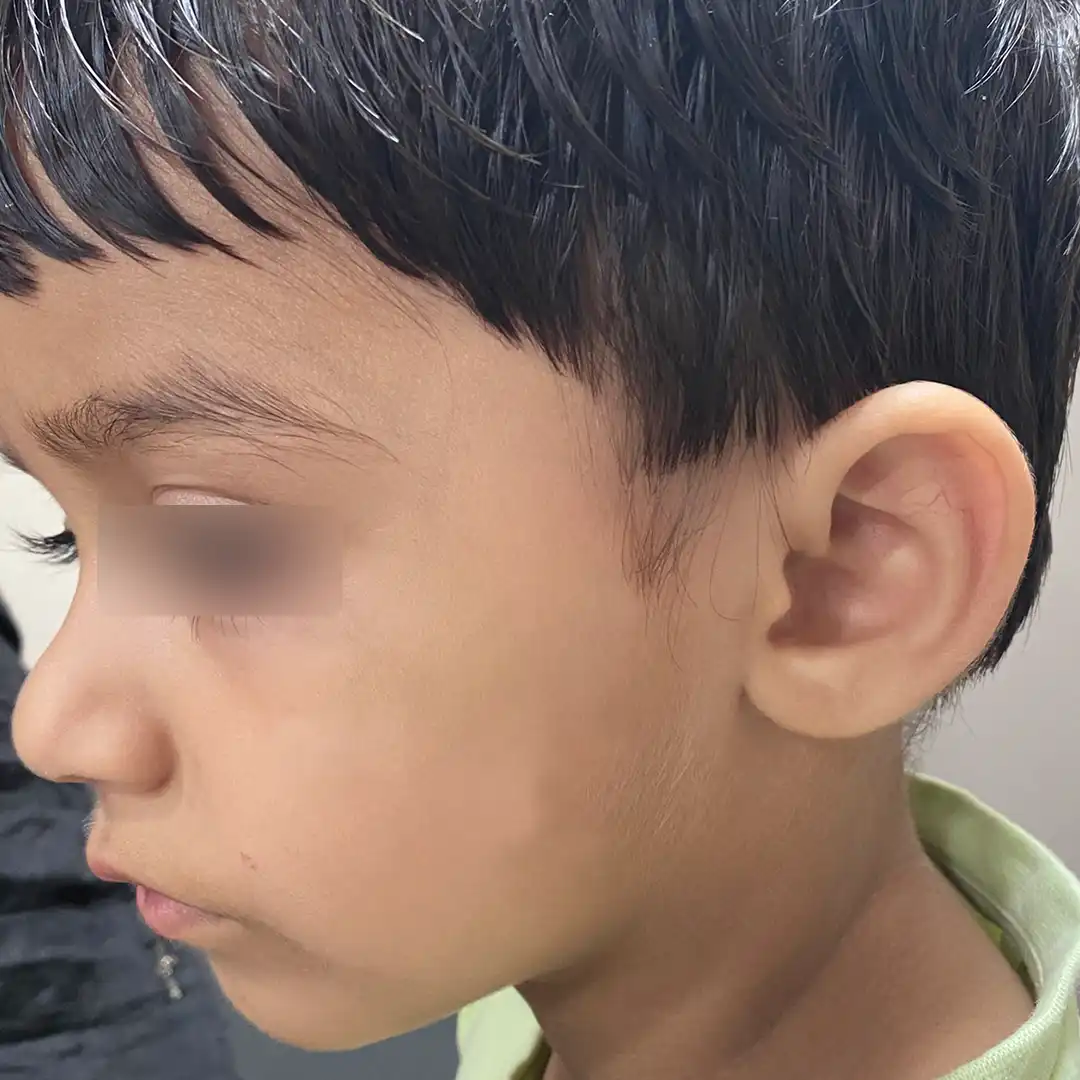
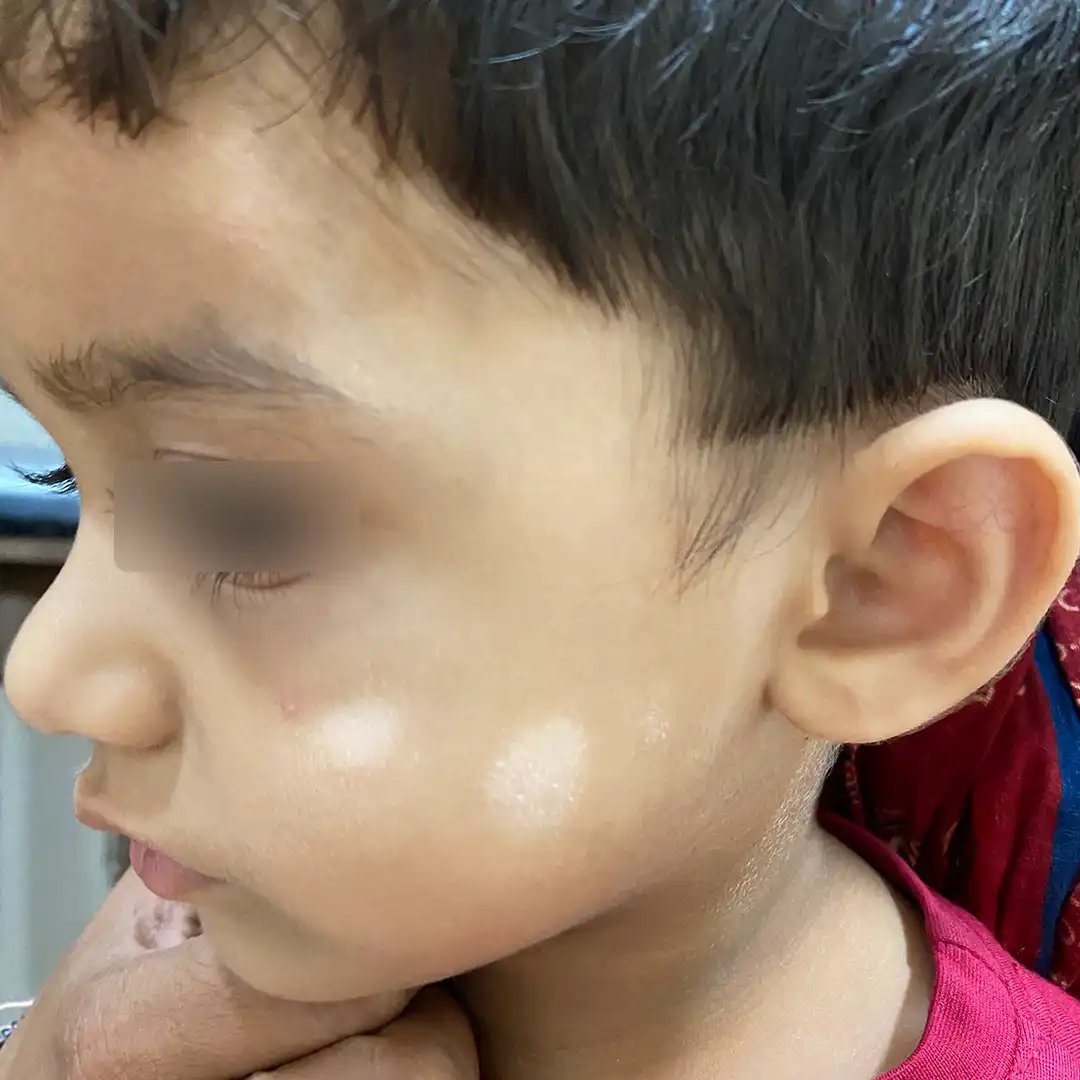
Case Study: Real Vitiligo Treatment Success
- Patient Name: Child Patient (Identity Protected)
- Age: 7 Years
- Issue: White patches on the left cheek diagnosed as Vitiligo (White Skin Disease)
1. Symptoms:
The patient developed a gradually enlarging white patch on the left cheek over several months. The patch was clearly lighter than the surrounding skin and caused concern for the parents due to its visibility on the face.
2. Treatment & Result:
After an online consultation, Dr Ruchir Shah diagnosed the condition as Vitiligo (White Skin Disease). A personalised treatment plan, including appropriate medications and regular follow-up, was initiated. Over the following months, significant repigmentation was observed, with the white patch showing excellent improvement and blending naturally with the surrounding skin.
Before and After Results of Vitiligo (White Patches) Treatment
|
|


When to Consult a Dermatologist for White Patches
You should see a dermatologist if:
- A white patch has appeared and isn't going away after 2–3 weeks
- You notice a patch spreading or new patches forming
- Patches are appearing on your face, lips, or around your eyes
- Hair in or around the patch is turning white or grey
- You have a family history of vitiligo or other autoimmune conditions
- You're experiencing significant psychological distress due to the patches
- Over-the-counter treatments haven't helped after 4 weeks
- You're not sure whether it's vitiligo, fungal, or a deficiency
Don't wait - Book your consultation on WhatsApp today.
Explore More Online Dermatology Services at Neodermatologist
Conclusion: Take the First Step Toward Clearer Skin
M.B.,F.M.D.C. | Registration No.: G-53014
A dermatologist specializing in online consultations for skin, hair, and nail concerns. Offers expert care for acne, pigmentation, eczema, scabies, ringworm, scalp infections, dandruff, psoriasis, vitiligo, hives, and hair loss, providing effective, personalized treatment solutions from the comfort of home.








Comments
shalini sharma
This blog explains vitiligo in a very simple and useful way
aaru raval
Great information thanks for sharing Helpful and informative post Thanks for spreading awareness Well explained and easy to understand Valuable information for the vitiligo community Great work keep posting Thanks for this useful guide
Shalini Prajapati
"I have been looking for reliable information on white patches for some time. This blog explained everything in a simple and practical way. Thank you for sharing such valuable insights."
Nisha sharma
“I liked how this section explained the types of vitiligo in simple language. It creates good awareness and helps reduce confusion among patients.”
Ekta Ahir
Very informative blog. Especially types and symptoms wala part helpful tha ????
Post a comment