 Hin
Hin En
En


Types of White Patches on Skin: Complete Vitiligo Guide By Dermatologist
Medically Reviewed & Written by a Board-Certified Dermatologist Dr. Ruchir Shah - Founder, NeoDermatologist
★★★★★ 4.9 Rating | 12,000+ Consultations Completed | Certified Dermatologists Available 24/7
If you've noticed pale or milky-white marks appearing on your skin, you're not alone - this is one of the most searched skin concerns online, and in most cases it points to vitiligo. Understanding the types of white patches on skin is the first step toward getting an accurate diagnosis and the right treatment plan. In this guide, our certified online dermatologist team breaks down every clinical type of vitiligo, explains which types of white spots on skin respond best to treatment, and helps you decide when it's time to consult a specialist to get white patches on skin or vitiligo treatment online.
Quick Answer: White patches on skin are most commonly caused by vitiligo, a condition where melanocytes (pigment-producing cells) stop working. There are six recognised clinical types of vitiligo - generalised, segmental, focal, acrofacial, universal, and mucosal - and they differ in pattern, spread, and how well they respond to treatment.
What Are White Patches on Skin?
White patches occur when skin loses its natural pigment, either partially or completely, giving it a lighter or milky-white appearance compared to the surrounding skin. While vitiligo is the leading cause, other conditions like tinea versicolor (a fungal infection) or pityriasis alba can also cause pale patches - which is why a proper clinical evaluation matters before starting any treatment.
Vitiligo itself is an autoimmune condition. The body's immune system mistakenly attacks melanocytes, the cells responsible for skin colour, causing depigmented patches that can appear anywhere on the body, including the face, hands, feet, and mucous membranes.
What Causes White Patches to Appear?
- Autoimmune response - the immune system attacks pigment cells
- Genetics - a family history of vitiligo or other autoimmune disorders increases risk
- Triggers - stress, sunburn, or skin trauma (a reaction known as the Koebner phenomenon)
- Associated conditions - thyroid disorders and other autoimmune diseases are sometimes linked
Click on the link, to know more about the White Patches on Skin Causes in detail.
Types of White Patches on Skin (Clinical Types of Vitiligo)
Vitiligo isn't a single, uniform condition - it presents differently from person to person. Knowing exactly which of the clinical types of vitiligo you have plays a big role in choosing the right treatment approach and setting realistic expectations for pigment recovery. If you're unsure which type matches your symptoms, it's best to consult a certified dermatologist online for an accurate diagnosis before starting any treatment.
1. Generalised Vitiligo
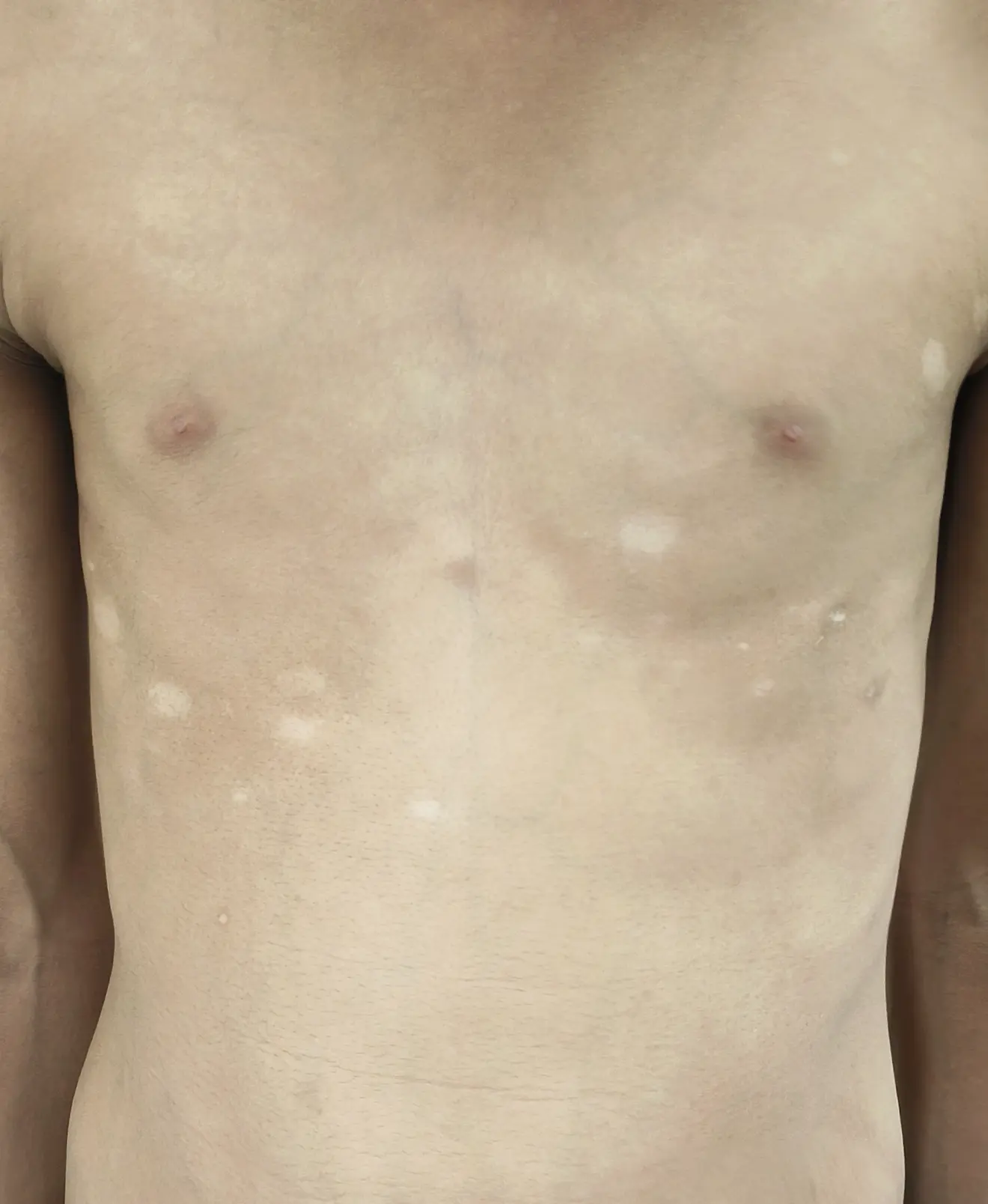
The most common of all the types of white patches on skin. Patches appear symmetrically on both sides of the body - for example, both hands or both knees at the same time. It tends to progress gradually and is the pattern most people associate with vitiligo.
2. Segmental Vitiligo
This type affects only one side or segment of the body, often following a nerve pathway. It's more common in younger patients, tends to progress faster in the early stages, but often stabilises sooner than other types - making early intervention especially valuable.
3. Focal Vitiligo
Small, isolated patches limited to one or two areas of the body. Focal vitiligo can sometimes be an early stage of generalised vitiligo, so monitoring and early consultation are important to track progression.
4. Acrofacial Vitiligo
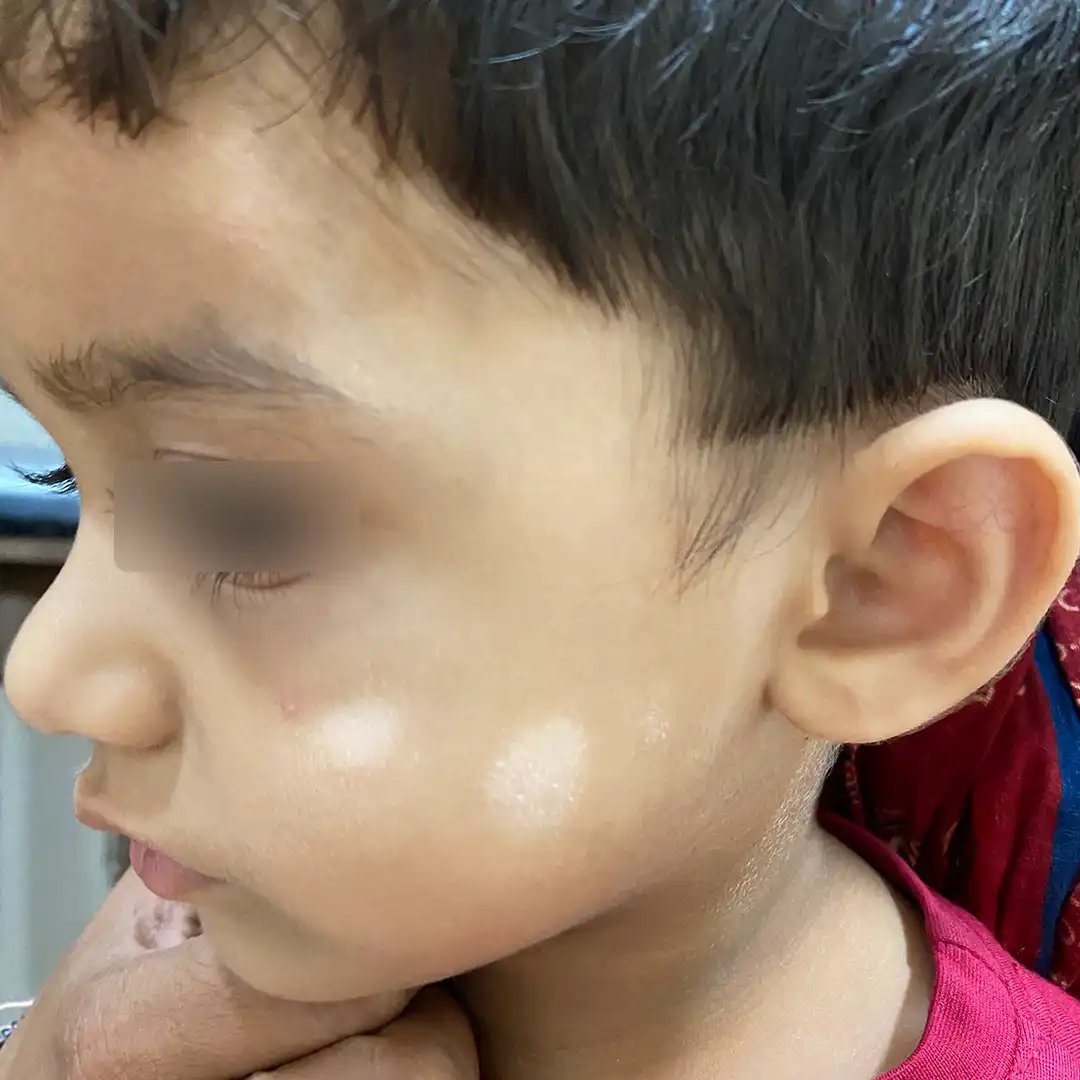
Affects the face, lips, fingertips, and toes. This is one of the most common types of white spots on the face that patients notice first, since these areas are highly visible and often the earliest sign of the condition.
5. Universal Vitiligo
A rare form where more than 80% of the body's surface loses pigment. Because so much of the skin is affected, treatment usually focuses on either restoring pigment where possible or, in select cases, evening out remaining skin tone.
6. Mucosal Vitiligo
Affects only the mucous membranes - lips, gums, and genital skin. It may occur on its own or alongside other types of vitiligo, and is often overlooked because these areas aren't routinely checked.
According to DermNet, a globally recognised dermatology resource, vitiligo is classified into distinct clinical types based on pattern and distribution - confirming that an accurate diagnosis of your specific type is essential before starting treatment.

Types of White Spots on Face: What You Should Know
The face is one of the most common - and most emotionally sensitive - areas affected by white patches. Acrofacial and focal vitiligo frequently start here, typically around the eyes, mouth, nose, or hairline. Because facial skin is thinner and more exposed to sun, patches here can sometimes spread faster than on other parts of the body. If you're noticing types of white patches on the face specifically, early dermatologist evaluation gives you the best chance of controlling spread and starting treatment before patches become more noticeable.
Is White Patches Curable? Which Type of Vitiligo Is Curable?
This is one of the most common questions patients ask, and the honest, medically accurate answer is: it depends on the type and how early treatment begins.
- Focal and segmental vitiligo generally respond best to treatment, especially when caught early, and can show significant repigmentation.
- Generalised and acrofacial vitiligo can be managed effectively with consistent, long-term treatment, though results vary by individual.
- Universal vitiligo is the hardest to reverse fully, and treatment often shifts toward evening out overall skin tone rather than full repigmentation.
So, is white patches curable in every case? Not always completely - but for most people, the right treatment plan can restore pigment, stop progression, and significantly improve the skin's appearance. The key factor isn't just the type - it's how early you start treatment.
Vitiligo Treatment Types
There isn't a single "best" treatment - the right option depends on your specific type, how much skin is affected, and how your body responds.
Common vitiligo treatment types include:
- Topical treatments - corticosteroids and calcineurin inhibitors to reduce immune activity in affected areas
- Oral or systemic medication - used for widespread or rapidly progressing cases
- Phototherapy (NB-UVB) - controlled UV light exposure to stimulate pigment cells
- Surgical options - skin grafting for stable, resistant patches
- Camouflage and cosmetic solutions - for immediate appearance management alongside medical treatment
- Depigmentation therapy - considered in select universal vitiligo cases to even out skin tone
A certified dermatologist will combine these vitiligo treatment types based on your diagnosis, skin type, and how the condition is progressing, which is why self-treating with over-the-counter creams often doesn't deliver the results people expect.
When Should You See a Dermatologist?
Book a consultation if you notice:
- New or spreading white patches anywhere on the body
- Patches around the eyes, mouth, or on the hands and feet
- Family history of vitiligo or other autoimmune conditions
- Patches that appeared after sunburn, stress, or skin injury
Early diagnosis makes a real difference in outcome - the sooner treatment starts, the better the chances of controlling spread and restoring pigment.
If you're dealing with persistent or recurrent white patches, you can get a free online dermatologist skin consultation with a certified dermatologist using Coupon Code: FPCND100 and receive expert guidance on vitiligo from the comfort of your home.
How Is Vitiligo Diagnosed?
How Dermatologists Confirm a Vitiligo Diagnosis: Diagnosing vitiligo isn't guesswork - dermatologists typically start with a physical skin examination, often using a Wood's lamp (a special UV light) to clearly map depigmented areas that aren't always visible to the naked eye, especially in fair-skinned patients. In some cases, they may ask about your family history or run a simple skin biopsy to rule out other conditions like pityriasis alba or tinea versicolor that can mimic vitiligo's appearance. A correct diagnosis matters because treatment plans differ significantly depending on the type and stage of vitiligo you have.
A Few Things to Keep in Mind
- Talk about it openly - Vitiligo isn't contagious, and being open with family, friends, or coworkers can ease unnecessary worry and get you more support.
- Get evaluated by a certified dermatologist - Not a general practitioner alone - vitiligo has multiple types and treatment paths, and a dermatologist can pinpoint yours and build a plan around it.
- Avoid self-medicating with steroid creams - Unsupervised steroid use can thin the skin, cause rebound flare-ups, or worsen patches instead of improving them.
- Track changes in your patches - Note if they're spreading, stable, or shrinking - this helps your dermatologist gauge whether your current treatment is working.
Explore More Online Dermatology Services at NeoDermatologist
Vitiligo is just one of the many skin concerns our certified dermatologists treat online. We offer a wide range of consultation services tailored to your skin and hair care needs - Online Hair Treatment Consultation, Acne Treatment Online, General Skin Consultation, Eczema Treatment, Scabies Treatment, Psoriasis Treatment, Urticaria (Hives) Treatment, Melasma Treatment, Ringworm Treatment, Inner Part Itching Treatment, and Online Skin Care Treatment.
Explore our full range of online dermatologist consultation services and connect with an experienced, certified dermatologist - quick, convenient, and accessible from anywhere.
Book Your Online Dermatology Consultation Today
If you're noticing any of the types of white patches on skin covered in this guide, don't wait for it to spread. Book an online consultation with a certified dermatologist at NeoDermatologist and get a personalised treatment plan - from anywhere, anytime.
Book Your Online Dermatology Consultation Now On Whatsapp→
Conclusion
At NeoDermatologist, our board-certified dermatologists Dr. Ruchir Shah and Dr. Karma Patel have treated hundreds of vitiligo cases online. In this guide, they've broken down the clinical types of white patches on skin - and what actually helps when it comes to managing the condition long-term.
Understanding the different types of white patches on skin is the first step toward getting the right diagnosis and treatment - not every patch is the same, and neither is the treatment it needs. Whether you're dealing with a single focal patch or widespread generalised vitiligo, early evaluation by a certified dermatologist makes the biggest difference in outcome. Vitiligo may not always be fully curable, but with the right treatment plan, most types respond well and pigment can be significantly restored. If you've spotted any of the signs covered in this guide, don't wait - an accurate diagnosis today is the best step toward healthier, more confident skin tomorrow.
M.B., D.V.D. | Registration No.: G-41460
A dermatologist specializing in tele-dermatology, offering expert care for skin, hair, and nail concerns. With extensive clinical experience, provides effective treatments for acne, hair fall, eczema, vitiligo, hives, scalp issues, ringworm, fungal infections, and more - all accessible through convenient online consultations.




Comments
Divya Parmar
Really useful article. I didn’t know that every white patch is not necessarily vitiligo. The different types and possible causes are explained in a very simple way. It also helped me understand why consulting a dermatologist is important instead of making assumptions. Thanks for sharing this information.
Mahi shah
-Mujhe laga tha white patches ka matlab mostly vitiligo hi hota hai, but is blog se samajh aaya ki different types bhi ho sakte hain. Early signs wala part kaafi useful laga
Post a comment