 Hin
Hin En
En


Ringworm Getting Worse With Treatment? 8 Mistakes That Make It Worse
“Medically reviewed by Dr. Karma Patel, Dermatologist.”
Quick answer: Ringworm usually gets worse with treatment - instead of better - because of a steroid-mixed cream, an incomplete treatment course, or a drug-resistant fungal strain. If a rash looks worse, more spread out, or less well-defined after starting a cream, stop that cream and see a dermatologist rather than continuing it or switching to another OTC product on your own.
Many patients struggle with ringworm not healing despite treatment. In most cases, common mistakes are the reason, such as using steroid creams, incomplete antifungal treatment, or practices that lead to recurrence and spread.
Hello, I am Dr. Karma Patel, a dermatologist at NeoDermatologist.
One of the most common questions patients ask during an online consultation is:
“Why is my ringworm not healing even after using medicines?”
The answer is simple - most people unknowingly make treatment mistakes that worsen the infection.
Ringworm (also called tinea infection) is a fungal skin infection that spreads easily and often becomes chronic if treated incorrectly. Many patients rely on random creams, stop medicines too early, or use steroid creams that temporarily hide the infection but make it worse later.
In this dermatologist-written guide, I will explain:
- Why Does Ringworm Keep Coming Back
- Why Ringworm Treatment Often Fails
- The 8 most common ringworm treatment mistakes
- What makes fungal infections spread
- The correct dermatologist-recommended treatment
If you are struggling with persistent ringworm or fungal infection, avoiding these mistakes can significantly improve your treatment results.
So, for accurate ringworm diagnosis and treatment, consult a dermatologist - Book Your Consultation Today
What is Ringworm and Why Does It Keep Coming Back?
Common areas affected include:
- Groin (jock itch)
- Feet (athlete’s foot)
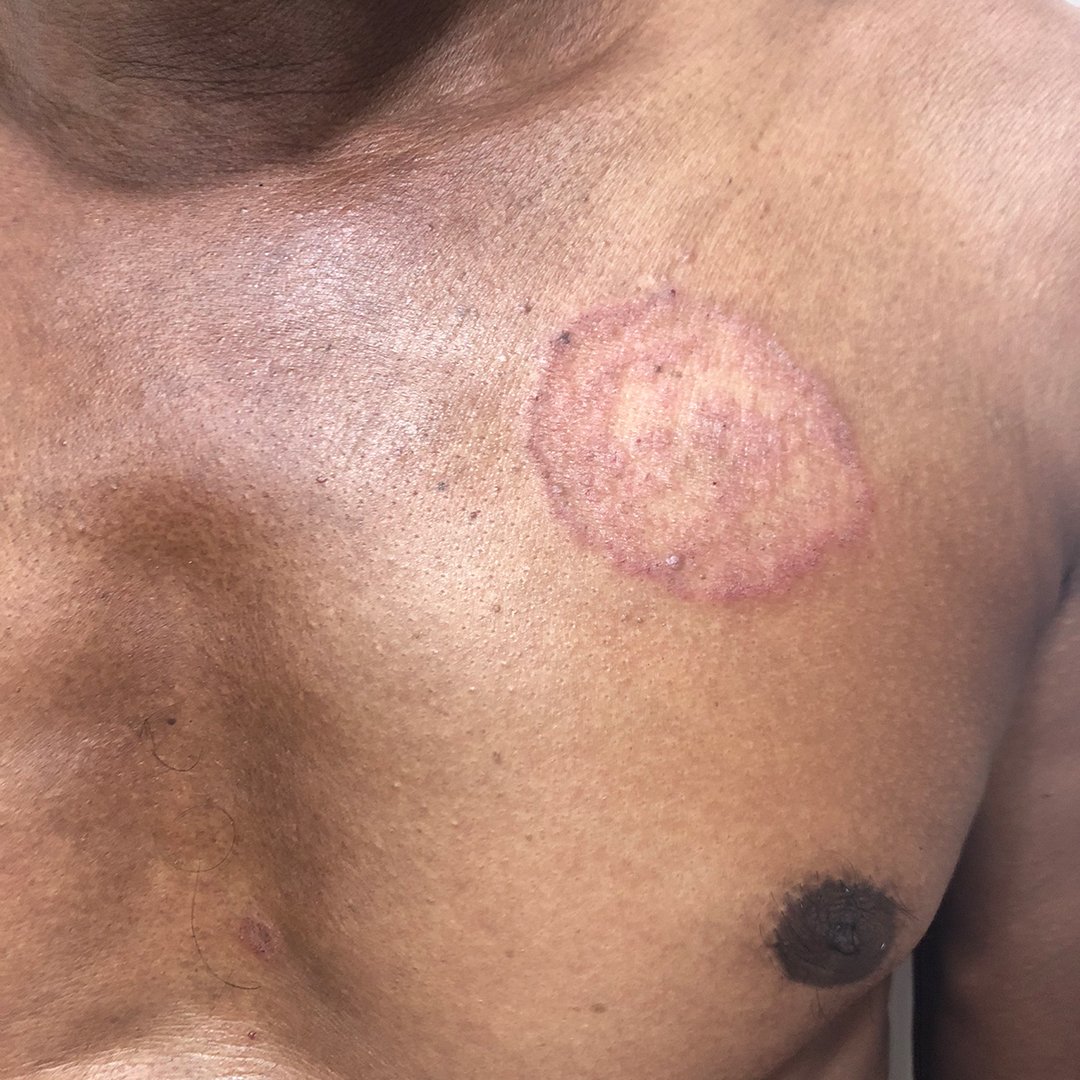
- Body (tinea corporis)
- Scalp
- Nails
Why Ringworm Treatment Often Fails
Ringworm often keeps returning because:
- Treatment is stopped early
- The wrong creams are used
- Infected family members are untreated
- Hygiene practices are ignored
Many patients follow treatments suggested by pharmacists, friends, or internet advice without consulting a dermatologist. As a result, fungal infections become chronic, resistant, and widespread.
This is why correct treatment and avoiding mistakes are crucial. Understanding these mistakes can help you prevent repeated infections. Wondering why ringworm keeps coming back? Understand the key causes of ringworm and risk factors behind fungal infections.
Does Steroid Cream Make Ringworm Worse? What AAD & CDC Guidance Says
Yes. This is one of the most search-for-checked facts in ringworm care, and it's worth being direct about it: both the American Academy of Dermatology and the CDC advise against using steroid or steroid-combination creams on ringworm. Steroids reduce redness and itching temporarily by suppressing the local immune response, but that same effect lets the fungus spread deeper and wider under the skin while looking calmer on the surface - a condition dermatologists call tinea incognito. By the time it's clearly worse, the rash has often spread well beyond its original borders and become harder to diagnose and treat.
In India specifically, this is common because many easily available over-the-counter combination creams contain a steroid, an antifungal, and an antibacterial in one tube - without it being obvious from the front of the packaging. Before applying anything to a suspected fungal rash, check the label for steroid names such as clobetasol, betamethasone, or beclomethasone, and avoid any cream that lists one.
If your ringworm has gotten worse since you started treatment, the most likely explanations, in order, are: a steroid-combination cream, an incomplete or too-short treatment course, or a resistant fungal strain (see below). A plain antifungal-only cream, used correctly, does not typically make ringworm worse - if yours has, get it looked at rather than assuming the medicine failed.
8 Common Ringworm Treatment Mistakes You Must Avoid
Now, let’s dive deeper and understand each mistake one by one for better treatment results.

1. Using Steroid Creams for Ringworm
- Suppress the immune response
- Allow the fungus to spread deeper
- Cause tinea incognito
2. Stopping Antifungal Treatment Too Early
3. Self-Medication (OTC) Without Dermatologist's Advice
Incorrect medicines may:
- Worsen infection
- Delay healing
- Cause drug resistance
4. Ignoring Personal Hygiene
- Wearing tight clothing
- Not drying skin properly
- Sweating excessively
- Reusing unwashed clothes
5. Sharing Towels, Clothes, or Bedding
- Towels
- Clothes
- Bedsheets
- Gym equipment
6. Not Treating Infected Family Members
7. Using Home Remedies Instead of Medical Treatment
- Garlic
- Vinegar
- Turmeric
- Coconut oil
8. Wearing Tight or Synthetic Clothing
- Groin area (Inner part ringworm infection)
- Inner thighs
- Underarms
2 More Warning Signs You're Making It Worse
- Scratching the affected area - spreads fungal spores to new sites on your body and can trigger a secondary bacterial infection. Keep nails short and keep the area covered if you find it hard to stop touching it.
- Not treating infected pets - cats and dogs are a common, overlooked source of reinfection at home. If your ringworm keeps returning despite good hygiene and completed treatment, get household pets checked by a vet too.
How Long Does Ringworm Take to Heal?
- Longer treatment
- Oral antifungal medicines
- Dermatologist supervision
Why Some Ringworm Doesn't Respond to Treatment At All (Drug-Resistant Ringworm)
Signs your ringworm may be drug-resistant rather than a treatment mistake:
- No improvement after 4 weeks of correctly-used antifungal cream
- The rash keeps spreading even during treatment
- It returns within days of stopping medicine, repeatedly
- You've previously used a steroid-combination cream on it
Signs That Your Ringworm Is Healing
Common healing signs include:
- Reduced itching
- Fading redness
- Shrinking rash
- Reduced scaling
Dermatologist-Recommended Treatment for Ringworm
1. Topical antifungal creams
- clotrimazole
- AMOROLFINE
- luliconazole
- ketoconazole
2. Oral antifungal medicines
- itraconazole
- terbinafine tablets
- Fluconazole
- Griseofulvin
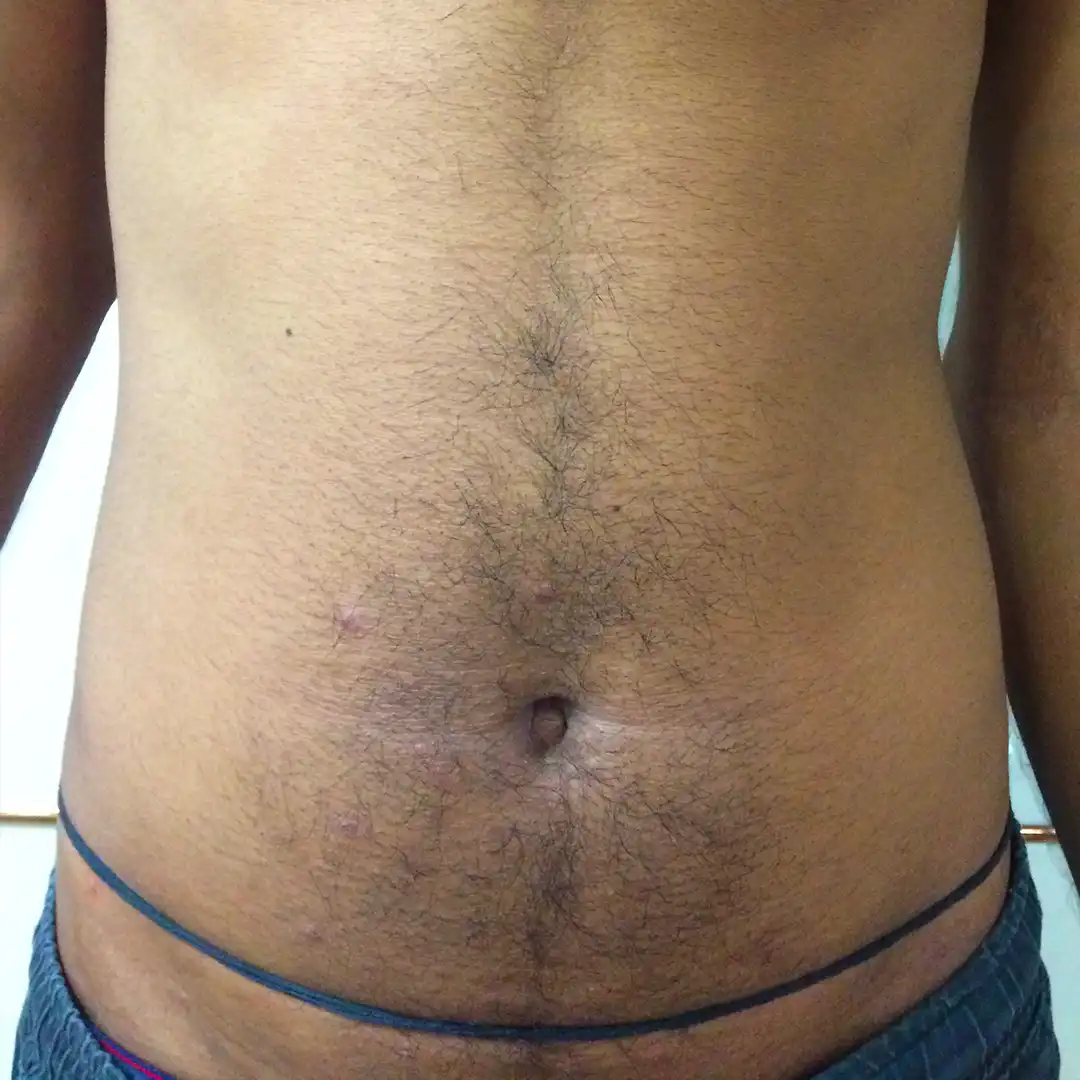
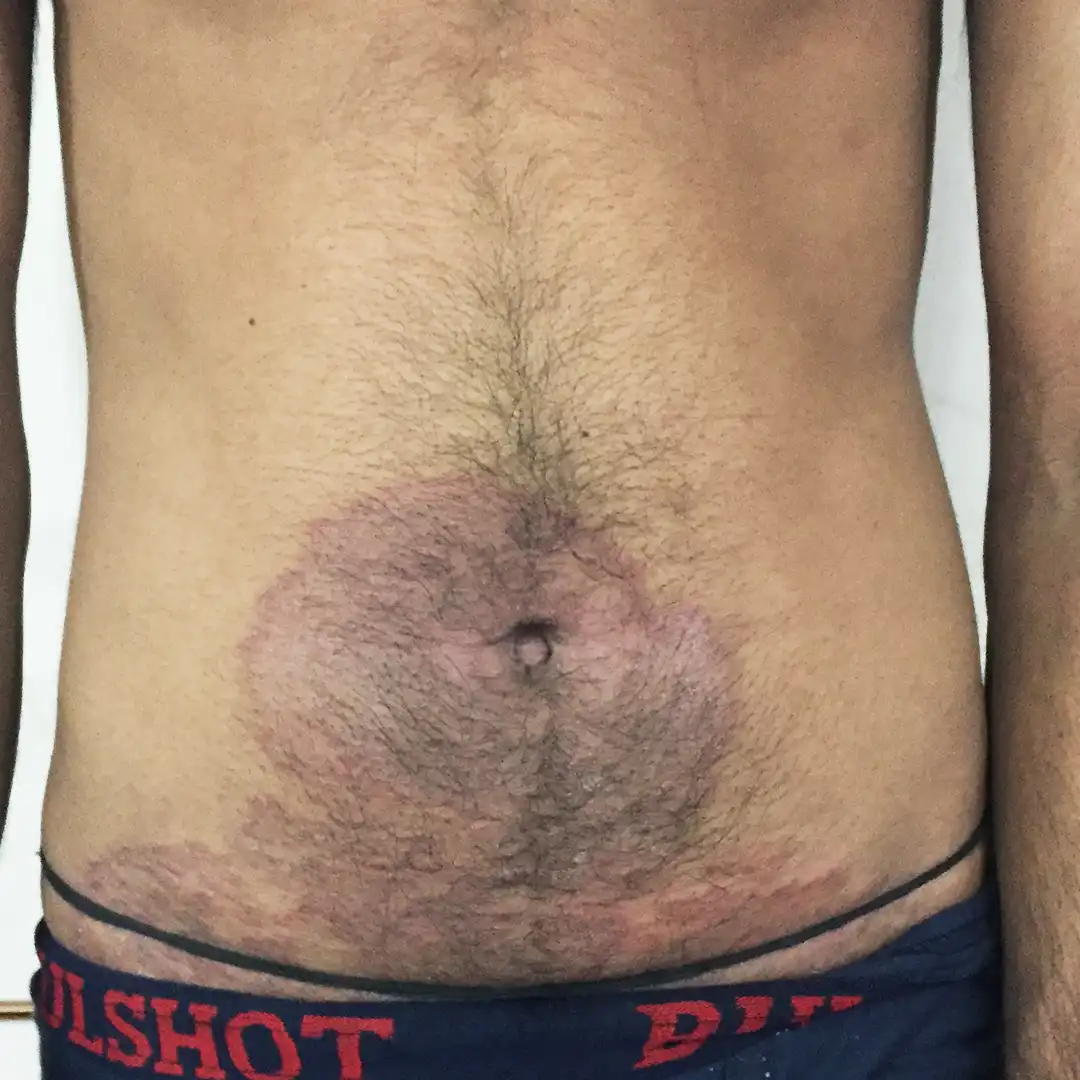
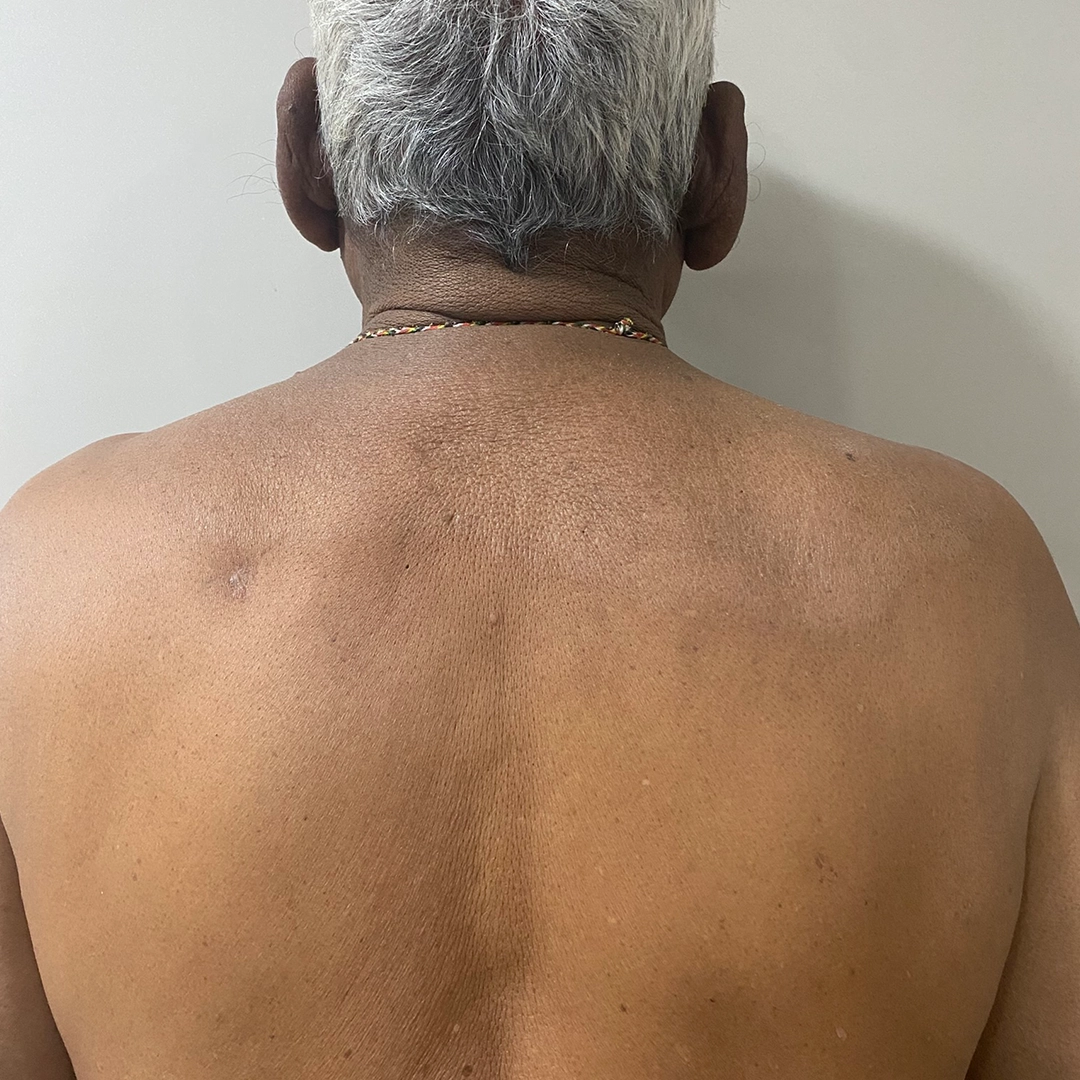
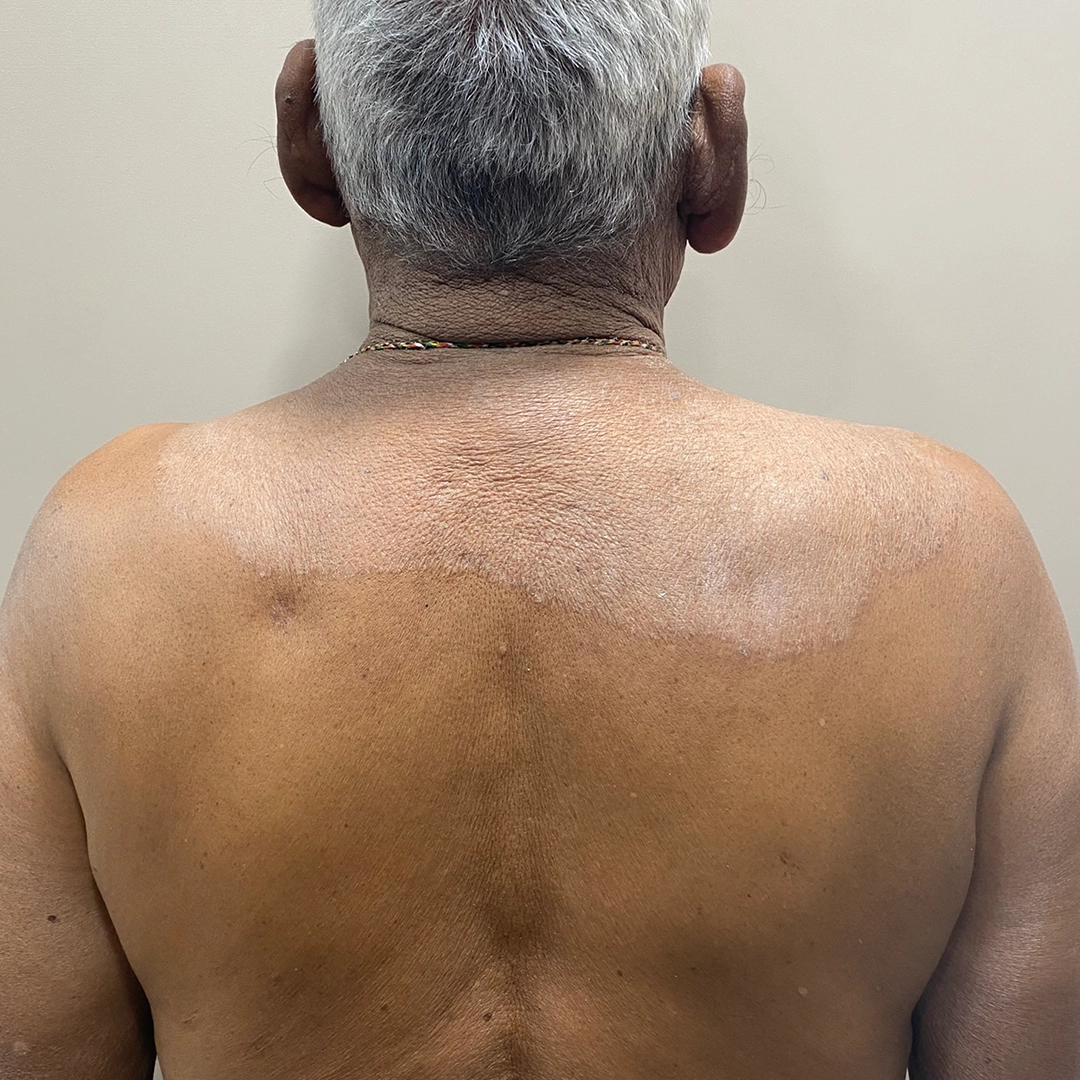
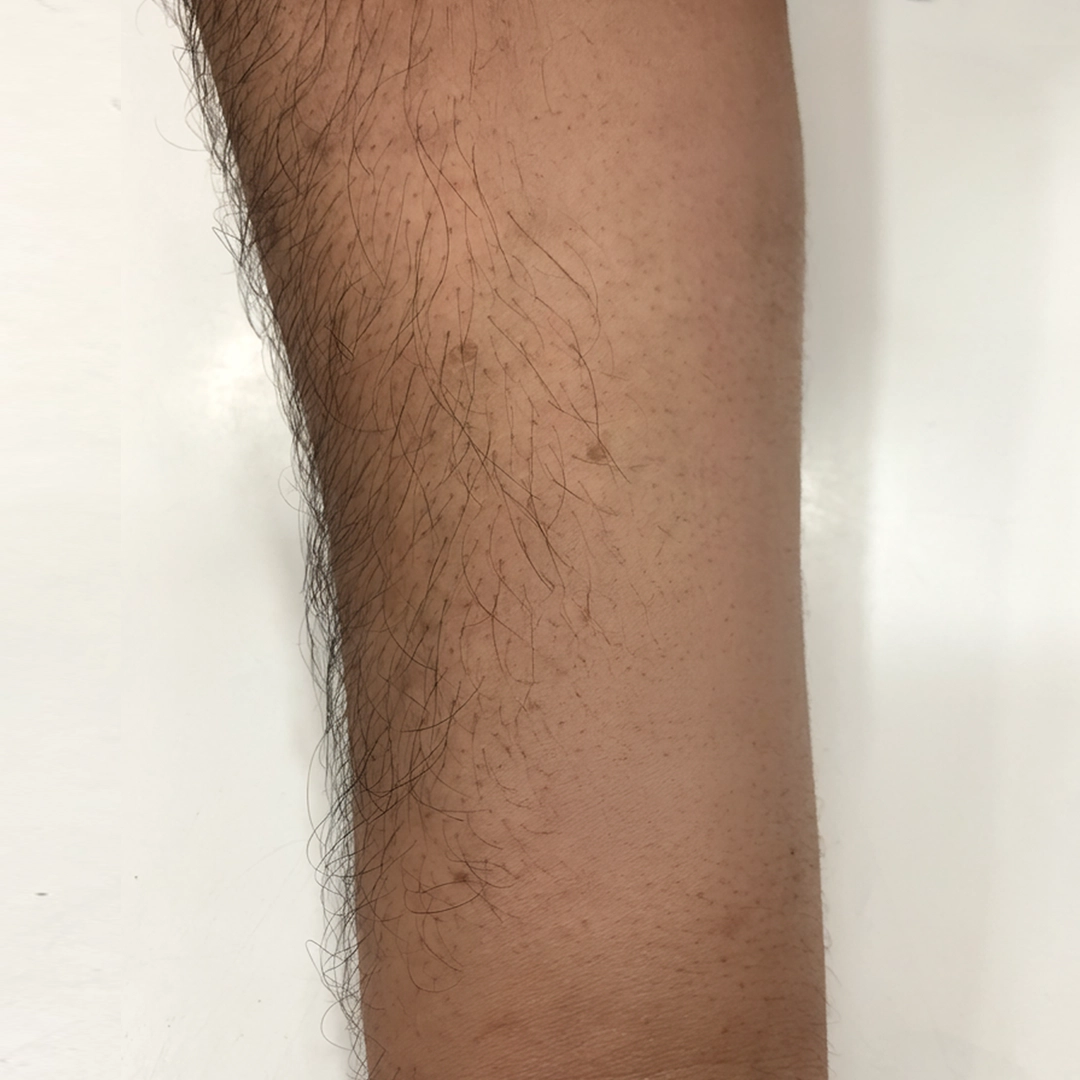
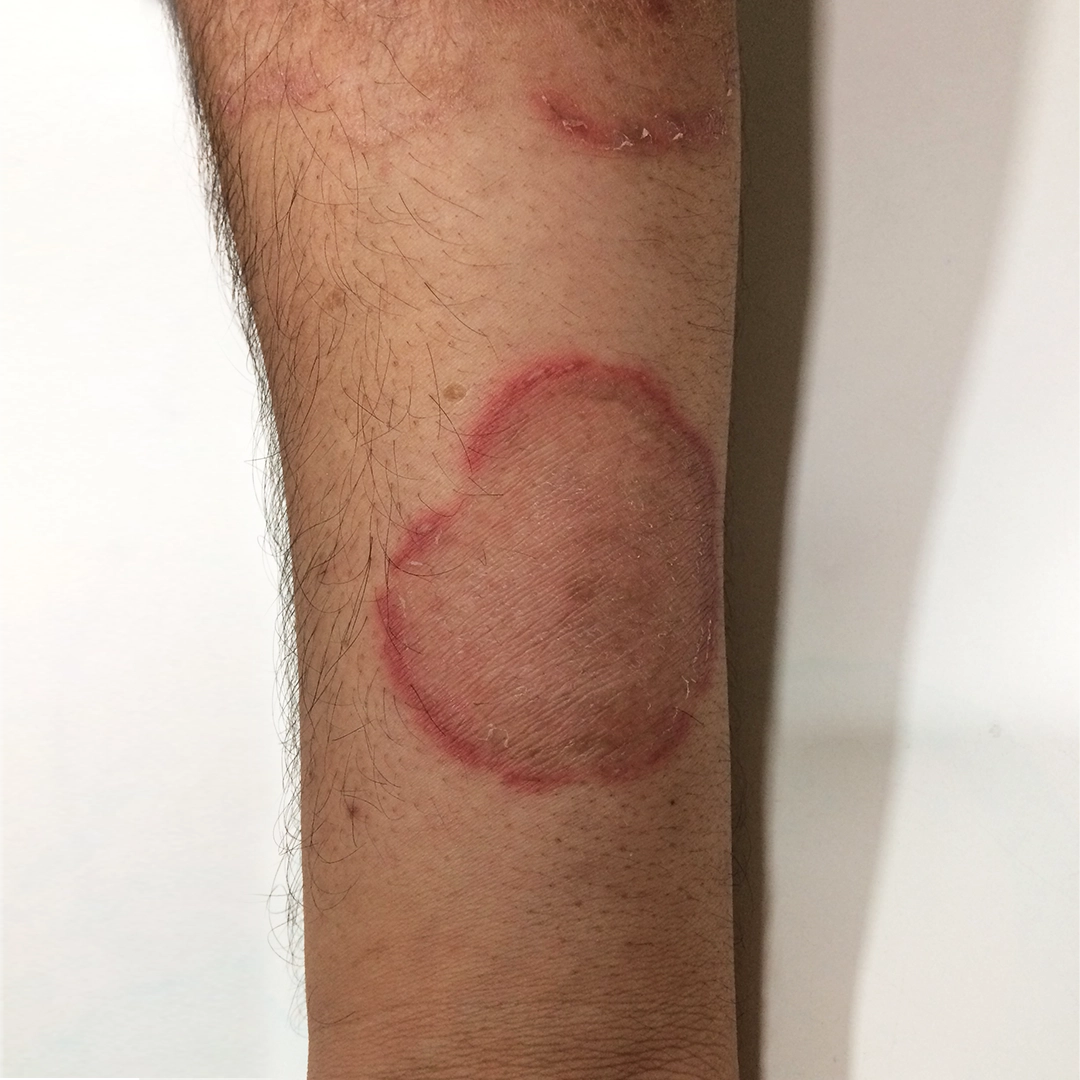
Ringworm Treatment Case Study: Patient Recovery After Online Consultation
- Patient Name: Aarav Mehta
- Age: 24 years
- Skin Concern: Persistent ringworm infection on the forearm for approximately 3 months
| Condition Before Online Ringworm Treatment | Improvement After Online Ringworm Treatment |
|
|


When Should You Consult a Dermatologist?
- Infection spreads rapidly
- Treatment fails after 2 weeks
- Multiple body areas are affected
- Infection keeps returning
Get an Online Dermatology Consultation for Ringworm
- Online skin consultations
- Accurate diagnosis
- Personalized antifungal treatment
- Follow-up care
Explore More Online Dermatology Services at Neodermatologist
- Online Hair Treatment Consultation
- Acne Treatment Online
- General Skin Consultation
- Eczema Treatment
- Scabies Treatment
- Psoriasis Treatment
- Urticaria (Hives) Treatment
- White Patches (Vitiligo) Treatment
- Melasma Treatment
- Fungal Jock Itch Treatment
M.B., D.V.D. | GMC Reg: G-41460
A dermatologist specializing in tele-dermatology, offering expert care for skin, hair, and nail concerns. With extensive clinical experience, provides effective treatments for acne, hair fall, eczema, vitiligo, hives, scalp issues, ringworm, fungal infections, and more - all accessible through convenient online consultations.








Comments
Raj prajapati
e article padhkar kaafi myths clear ho gaye. Especially steroid cream wali mistake ke baare me pehli baar itni clearly samajh aaya. Aajkal bahut log bina proper advice ke treatment start kar dete hain, isliye aisi information sabko zaroor padhni chahiye. Great work!
Amit Shah
Bahut informative article hai Ringworm ke symptoms aur treatment ko bahut clearly explain kiya gaya hai. Thanks for sharing.
Smita Mehta
Nice Blog. I like the overall blog related to dermatologist-Recommended Treatment for Ringworm
Post a comment