 Hin
Hin En
En


Melasma Causes on Skin: Face Pigmentation Reason, Dark Patches & Treatment
⭐⭐⭐⭐⭐ 4.9 Rating | 12,000+ Consultations Completed by Certified Dermatologists Medically Reviewed by our Dermatology Panel
Not sure whether that discoloration on your cheeks is melasma, sun damage, or something else? You don't have to guess. Book a free online dermatologist consultation and use code FPCND100 to get an expert opinion on your skin before you try any treatment.
Introduction
If you've noticed brownish-grey patches spreading across your cheeks, forehead, or upper lip, you're not alone. Pigmentation concerns are among the most common reasons people visit a dermatologist, and melasma is one of the most frequently misunderstood forms of facial discoloration. Many people search for the face pigmentation reason behind their skin changes only to find generic advice that doesn't explain why it's happening or what actually works.
This guide breaks down the melasma on skin causes, explains the broader face pigmentation causes that can look similar, and walks you through dermatologist-recommended online melasma treatment and prevention strategies - so you know exactly what you're dealing with and when it's time to seek professional care. Whether you're trying to pin down the exact face pigmentation reason behind your skin changes or simply want to understand the melasma on skin causes in plain language, this guide has you covered.
What Is Melasma?
Melasma is a common, chronic skin condition that causes flat, brown-to-grey-brown patches to develop, usually in a fairly symmetrical pattern on the face. It happens when pigment-producing cells called melanocytes become overactive and produce excess melanin in certain areas of the skin. It is not contagious, not a sign of poor hygiene, and not usually a symptom of a serious underlying illness - but it can be persistent and emotionally frustrating if it isn't managed correctly.
What Does Melasma Look Like?
Melasma typically appears as flat patches (not raised bumps) with an irregular but fairly symmetrical border. The color can range from light brown to dark brownish-grey, depending on your natural skin tone and how deep the pigment sits in the skin. Unlike a rash or acne, melasma doesn't itch, hurt, or become inflamed - it's purely a pigmentation change.
Common Areas Where Melasma Appears
Melasma has a strong preference for sun-exposed areas of the face, including:
- Cheeks
- Forehead
- Bridge of the nose
- Chin
- Above the upper lip (sometimes called a "melasma moustache")
Less commonly, it can appear on the neck and forearms, especially in people with significant sun exposure in these areas.
How Melasma Differs from Other Types of Face Pigmentation
Not every dark patch on the face is melasma. Melasma tends to be larger, more symmetrical, and confined to sun-exposed areas, while other forms of pigmentation - like post-acne marks or age spots - are usually smaller, more localized, and linked to a specific trigger like a pimple or years of cumulative sun exposure. Understanding this difference matters because treatment approaches vary significantly between melasma and other face pigmentation causes, which is why a proper diagnosis makes a real difference in results.
What Causes Melasma on Skin?
Understanding the melasma on skin causes is the first step toward managing it effectively. Melasma is considered a multifactorial condition, meaning it usually develops from a combination of triggers rather than a single cause - and knowing the specific melasma causes at play in your case helps determine which treatment will actually work.
Common melasma on skin causes include:
- Hormonal changes: Estrogen and progesterone changes may increase melanin.
- Sun exposure and UV damage: Short daily exposure can darken patches.
- Genetic factors: Family history can increase risk.
- Pregnancy mask: Pregnancy can trigger facial patches.
- Birth control pills and hormonal therapy: These may worsen pigmentation.
- Certain medications: Some medicines increase sun sensitivity.
- Heat and visible light exposure: Cooking heat, outdoor work, travel, and strong indoor light may worsen patches.
- Thyroid disorders: Testing is advised only when history suggests imbalance.
These melasma causes often work together, so melasma on skin causes should be understood before creams, peels, or procedures.
Face Pigmentation Causes
Melasma is only one of several face pigmentation causes. Since many pigmentation conditions look similar to the untrained eye, understanding the full picture helps you identify what you're actually dealing with.
| Cause | How It Looks | Important Clue |
| Melasma | Brown symmetrical patches | Worsens with sun, heat, hormones |
| PIH | Marks after acne, rash, waxing | Skin problem happens first |
| Sun damage | Uneven tanning or dark spots | Linked with outdoor exposure |
| Age spots | Small brown spots | Usually after middle age |
| Acne marks | Spots after pimples | Common after picking acne |
| Skin injury | Darkening after burn, cut, friction | Pigmentation follows injury |
| Vitamin deficiency | Uneven tone in selected cases | Test only when suspected |
| Lifestyle factors | Dull or dark patches | Heat, stress, pollution, wrong products |
Melasma and PIH are common in Indian skin. Identifying face pigmentation causes is important before using any pigmentation cream, peel, or home remedy.

Types of Melasma
Melasma is not the same for everyone. Dermatologists classify melasma based on where the pigment is located in the skin. Knowing the type of melasma helps determine which treatments are more likely to work and how long improvement may take.
- Epidermal Melasma: This is the most common type. The excess pigment is found in the top layer of the skin (epidermis). It usually appears as light to dark brown patches with well-defined edges. Epidermal melasma generally responds better to topical treatments and sun protection than deeper forms.
- Dermal Melasma: In dermal melasma, the pigment is located deeper in the skin (dermis). The patches often look bluish-gray or gray-brown with less defined borders. Because the pigment is deeper, this type is usually more difficult to treat and may require a longer treatment plan.
- Mixed Melasma: Mixed melasma is a combination of epidermal and dermal melasma. Some pigment is present in the upper layers of the skin, while some extends deeper. This is a common type and often requires a combination of treatments along with consistent sunscreen use.
Melasma Can Also Be Classified by Its Location
Besides the depth of pigmentation, dermatologists also describe melasma based on where it appears on the face.
- Centrofacial Melasma: The most common pattern, affecting the forehead, cheeks, nose, upper lip, and chin.
- Malar Melasma: Appears mainly on the cheeks and nose.
- Mandibular Melasma: Develops along the jawline and lower face. This pattern is less common.
Why Knowing Your Melasma Type Matters
The type of melasma cannot always be identified by looking at the skin alone. A dermatologist may use tools such as a Wood's lamp examination or assess your clinical history to understand the depth of pigmentation and recommend the most suitable treatment. This helps set realistic expectations, as some types of melasma improve faster than others.
Takeaway: Not all melasma is the same. Identifying the correct type is an important first step toward choosing the right treatment plan and improving your chances of long-term results.
Why Do Melasma Dark Patches Appear on the Face?
Melasma dark patches on face appear when pigment-producing cells, called melanocytes, make excess melanin. This extra pigment collects in the skin and creates brown or grey-brown patches.
Three things are important to understand:
Excess Melanin Production
At the core of every case of melasma is one process: melanocytes producing and depositing more melanin than usual in specific areas of the skin. This excess pigment can sit in the upper layer of skin (epidermal melasma), the deeper layer (dermal melasma), or both (mixed melasma) - which is part of why some cases respond faster to treatment than others.
Why the Cheeks, Forehead, Nose and Upper Lip Are Commonly Affected
These areas receive the highest cumulative sun exposure on the face over a lifetime, and they also tend to have a higher density of active melanocytes. Combined with hormonal sensitivity, this makes them the most predictable locations for melasma dark patches on face to develop.
Can Melasma Spread?
Melasma itself doesn't "spread" in the way an infection would, but existing patches can expand or darken further with continued sun exposure, hormonal changes, or heat exposure. New, separate patches can also develop over time if triggers aren't managed, which is why early intervention tends to produce better long-term results.
This is why controlling melasma causes and understanding melasma on skin causes is important for long-term improvement.
Risk Factors That Increase the Chances of Melasma
- Skin Type: People with medium to darker skin tones (Fitzpatrick skin types III to VI) have more active melanocytes and are statistically more likely to develop melasma compared to those with very fair skin
- Family History: As mentioned earlier, a family history of melasma significantly raises your own likelihood of developing it, especially when combined with sun exposure or hormonal triggers.
- Women vs Men: Melasma affects women far more often than men, largely due to hormonal fluctuations from pregnancy, birth control, and hormone therapy. Men can develop melasma too, but it's less common and typically linked more strongly to sun exposure.
- Age Group: Melasma most commonly appears between the ages of 20 and 40, coinciding with the reproductive years when hormonal activity is highest, though it can develop at any age.
- Occupation and Outdoor Exposure: People who spend long hours outdoors - such as those working in agriculture, construction, delivery, or sports - face higher UV exposure and, consequently, a higher risk of developing or worsening melasma dark patches on face.
Symptoms of Melasma
- Early Signs: The earliest sign is usually a subtle, patchy darkening of the skin that's more noticeable in sunlight and may initially be mistaken for a tan or mild discoloration.
Common Symptoms
- Flat, brown or greyish-brown patches
- Symmetrical distribution on both sides of the face
- No itching, pain, or texture change
- Patches that darken further with sun exposure
- Gradual expansion if left untreated
When Pigmentation May Not Be Melasma
If your pigmentation is asymmetrical, raised, itchy, rapidly changing shape, bleeding, or appears alongside other skin symptoms, it may not be melasma. These signs warrant a dermatologist evaluation to rule out other conditions.
A simple way to understand it:
| What You Notice | What It May Suggest |
| Brown patches on both cheeks | Melasma can be possible |
| Darkening after sunlight | Sun-triggered pigmentation may be involved |
| Patch after pimples or injury | It may be acne mark or PIH |
| Itchy, red, scaly, or painful patch | It may not be melasma |
How Dermatologists Diagnose Melasma
Melasma diagnosis usually starts with a detailed skin examination. At NeoDermatologist, Dr. Ruchir Shah and Dr. Karma Patel check the colour, border, depth, symmetry, location, skin type, sun exposure, pregnancy or hormonal history, and previous cream use. This helps separate melasma from other face pigmentation causes.
Diagnosis may include:
- Physical skin examination: The dermatologist checks whether the patches are flat, brown, symmetrical, and present on common melasma areas.
- Wood’s lamp examination: In selected cases, it may help assess pigmentation depth and pattern.
- Dermoscopy: This gives a closer view of pigment distribution and helps differentiate melasma from other pigmentation conditions.
- Additional tests: Blood tests may be advised only when thyroid disorder, vitamin deficiency, hormonal issue, or medicine-related pigmentation is suspected.
Correct diagnosis is important because the same dark patch can have a different face pigmentation reason in different patients.
Melasma Treatment Options
Melasma treatment depends on skin type, pregnancy status, patch depth, sensitivity, previous cream use, and actual face pigmentation causes. A dermatologist may suggest topical creams to reduce pigment production, but steroid-mixed fairness creams should be avoided because they can damage the skin.
Treatment may include:
- Topical creams: Prescription creams to control pigmentation gradually.
- Chemical peels: Useful in selected patients, but should be done carefully.
- Laser treatment: Not suitable for everyone; wrong laser use can worsen pigmentation.
- Oral medications: Given only when needed after medical evaluation.
- Sunscreens for melasma: Daily broad-spectrum sunscreen is essential. Tinted sunscreen may help in visible light protection.
- Combination therapy: Creams, sunscreen, trigger control, and follow-up often work better together.
At NeoDermatologist, patients can consult Dr. Ruchir Shah or Dr. Karma Patel online from home. You can start with a free photo consultation, so the doctor can understand your skin concern and guide you safely according to your melasma on skin causes.
During online melasma consultations, one of the most common questions people ask us is, "Can melasma be prevented?" While melasma cannot always be completely prevented, we always recommend these simple steps to reduce flare-ups and prevent it from getting worse:
- Use sunscreen every day: Apply a broad-spectrum SPF 30+ sunscreen daily and wear a hat or sunglasses when outdoors.
- Follow a gentle skincare routine: Avoid harsh products that can irritate the skin and worsen pigmentation.
- Stay away from common triggers: Reduce excessive sun and heat exposure, and discuss hormonal medications or cosmetic procedures with your dermatologist.
- Maintain a healthy lifestyle: Good sleep, stress management, hydration, and a balanced antioxidant-rich diet help support healthy skin.
Consistent sun protection combined with dermatologist-guided treatment offers the best chance of controlling melasma and preventing recurrence.
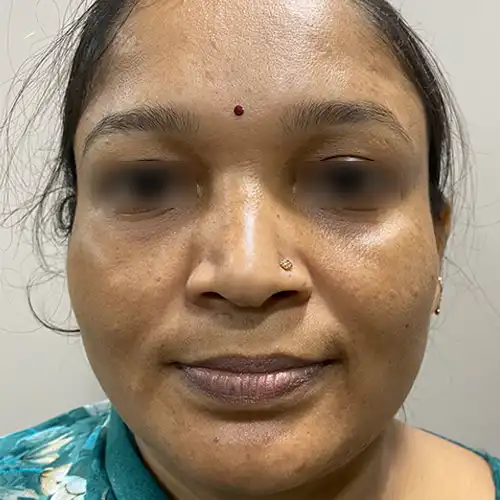
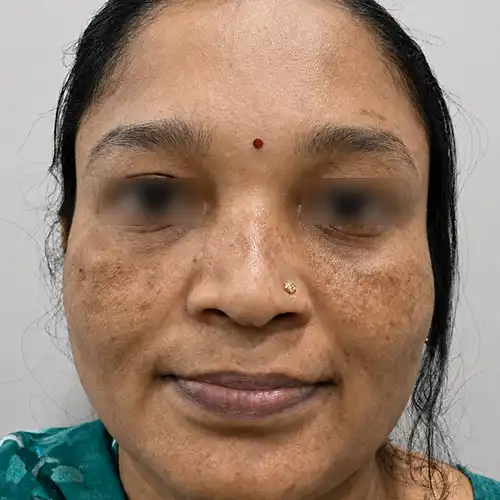
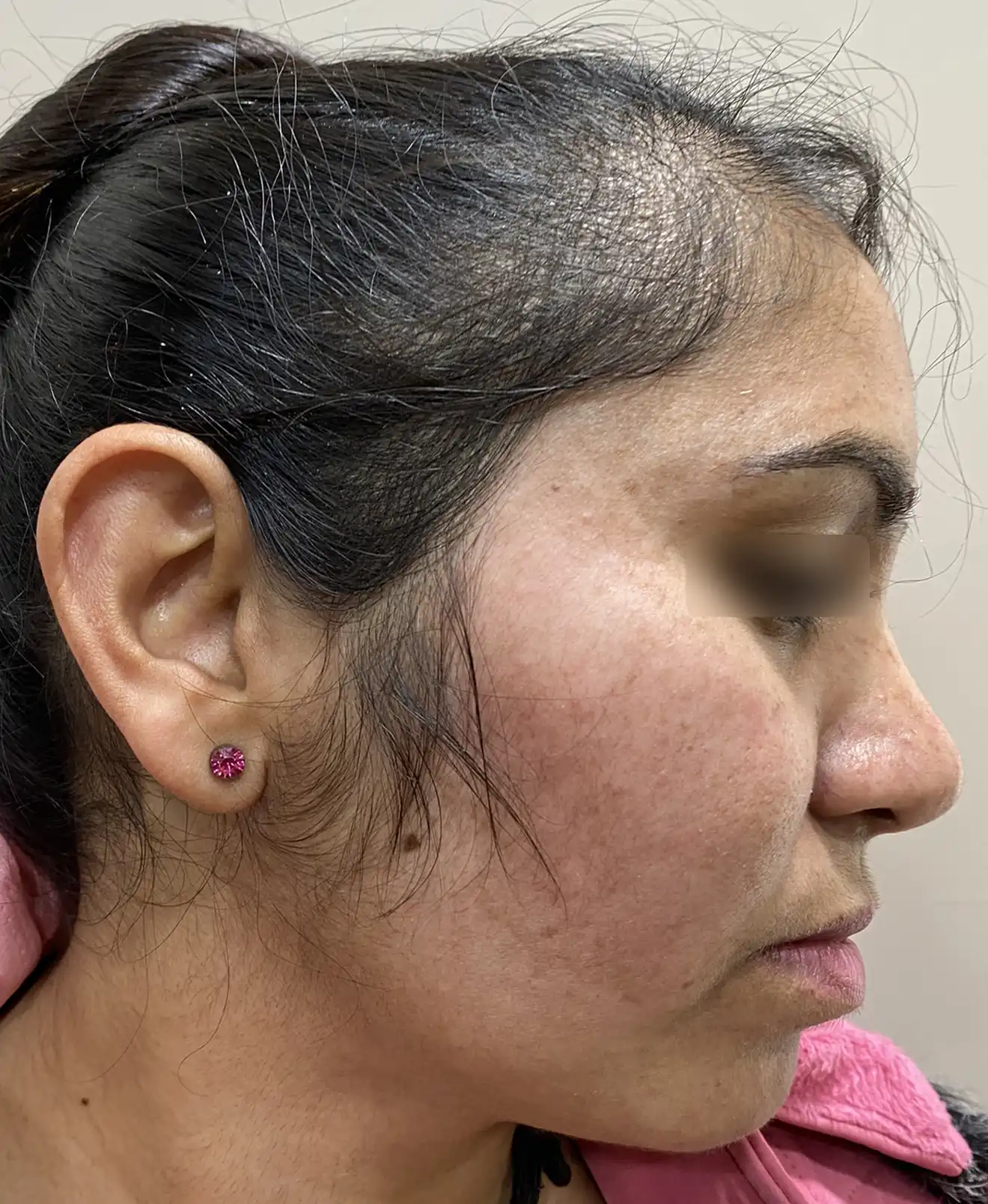
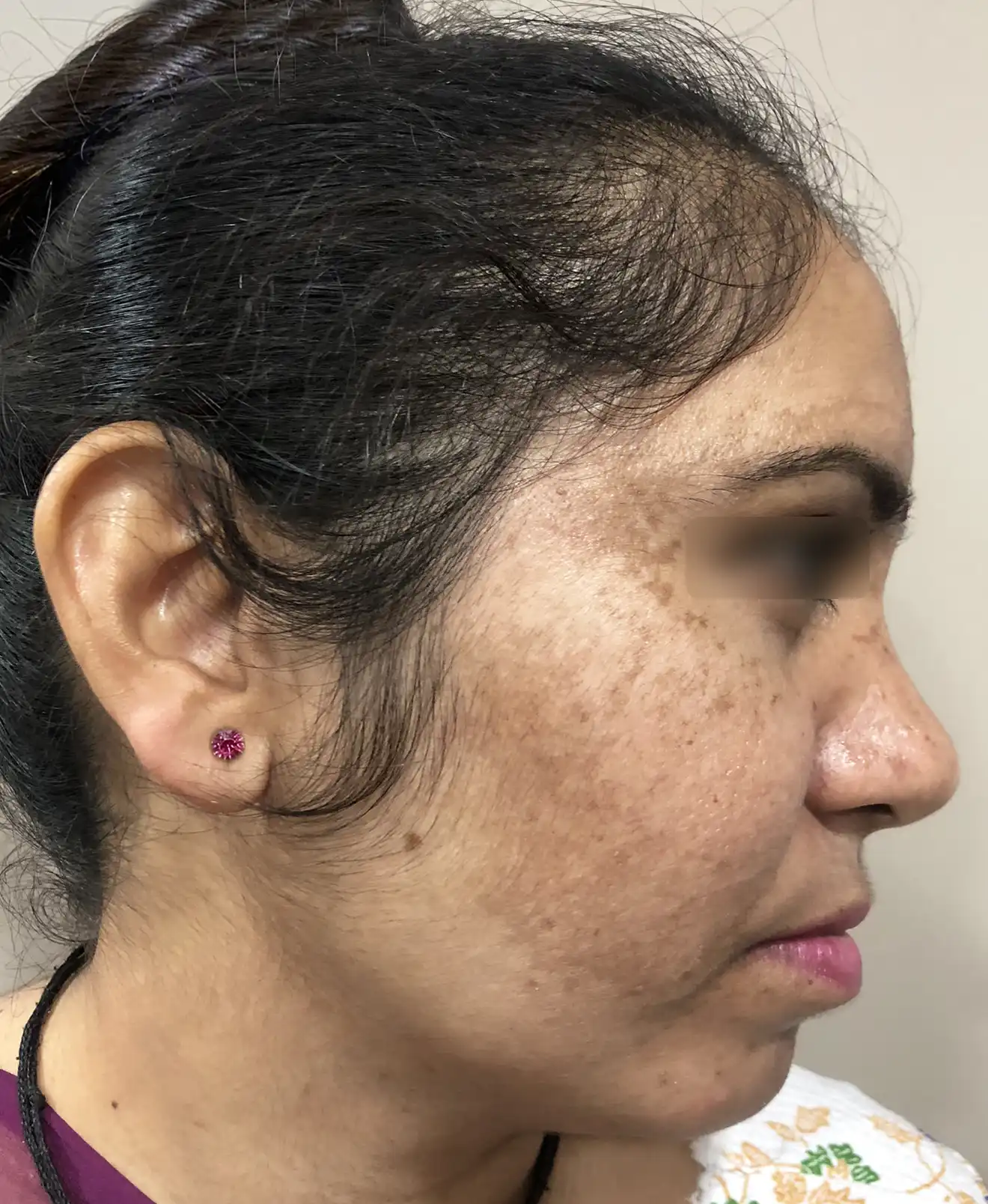
Case Study: Real Melasma Online Treatment Success
- Patient Name: Confidential
- Age: 39 Years (approx.)
- Issue: Melasma with facial pigmentation affecting both cheeks and nose for nearly 2 years
1. Symptoms
The patient noticed gradually increasing brown patches on both cheeks, the bridge of the nose, and the upper lip. The pigmentation became darker after sun exposure and did not improve with over-the-counter creams or home remedies. She was concerned about the uneven skin tone, dull complexion, and the impact it had on her confidence.
2. Treatment & Result
Before Online Melasma Treatment: The patient had visible brown pigmentation across both cheeks and the nose, with uneven skin tone and patchy discoloration typical of melasma. Despite trying several cosmetic products, the pigmentation persisted and gradually became more noticeable.
After Online Melasma Treatment Result: After following a personalized dermatologist-guided treatment plan, the patient's facial pigmentation became noticeably lighter, skin tone appeared more even, and the dark patches showed significant improvement. The skin looked healthier, brighter, and more uniform after consistent treatment and proper sun protection.
Following an online consultation, Dr. Ruchir Shah diagnosed the condition as melasma and prescribed a customized treatment plan that included prescription depigmenting creams, oral medications where appropriate, sunscreen, and a dermatologist-recommended skincare routine. The patient was advised to apply broad-spectrum sunscreen daily, avoid excessive sun exposure, and follow the treatment consistently. Over approximately 12 weeks, she experienced visible improvement in pigmentation and overall skin appearance.
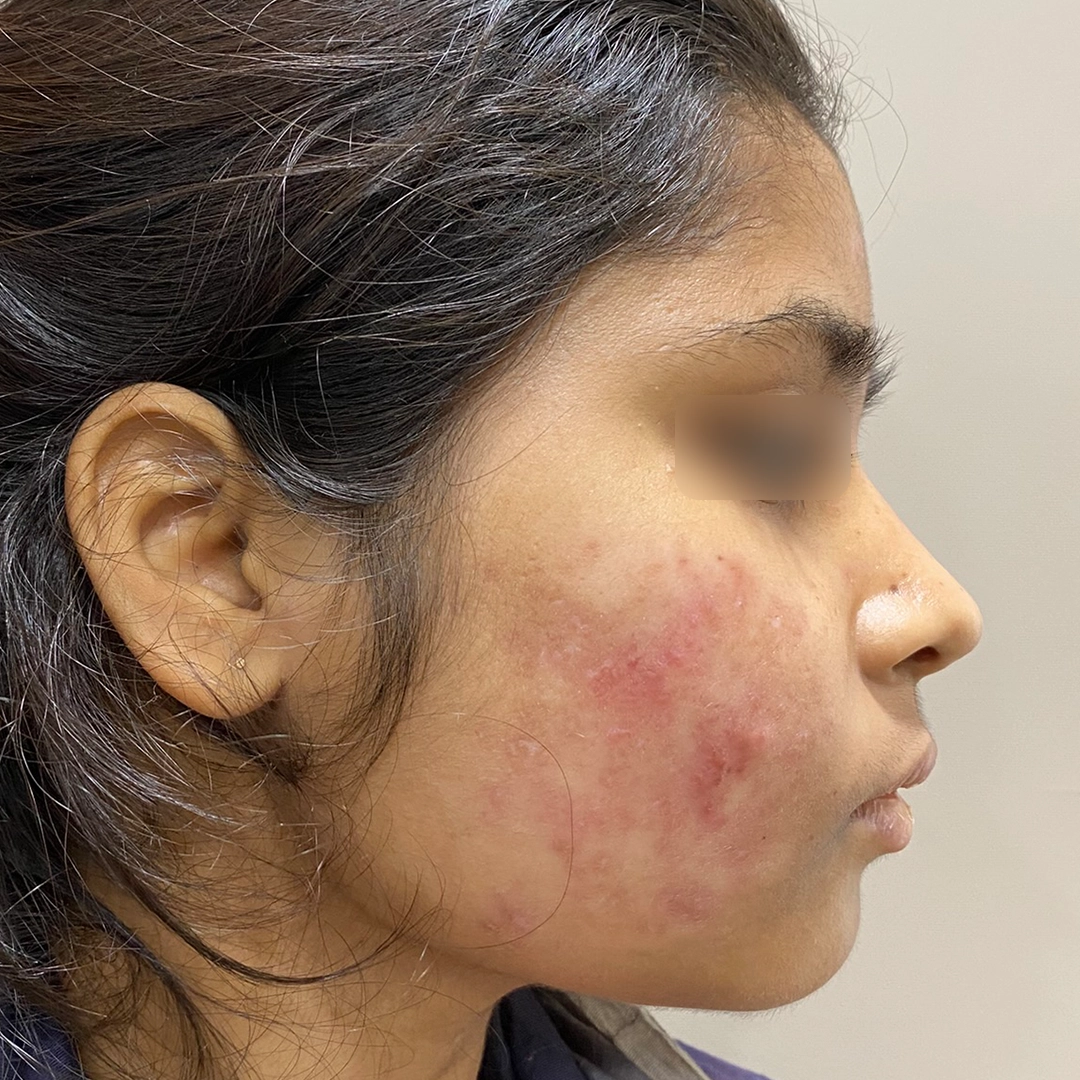
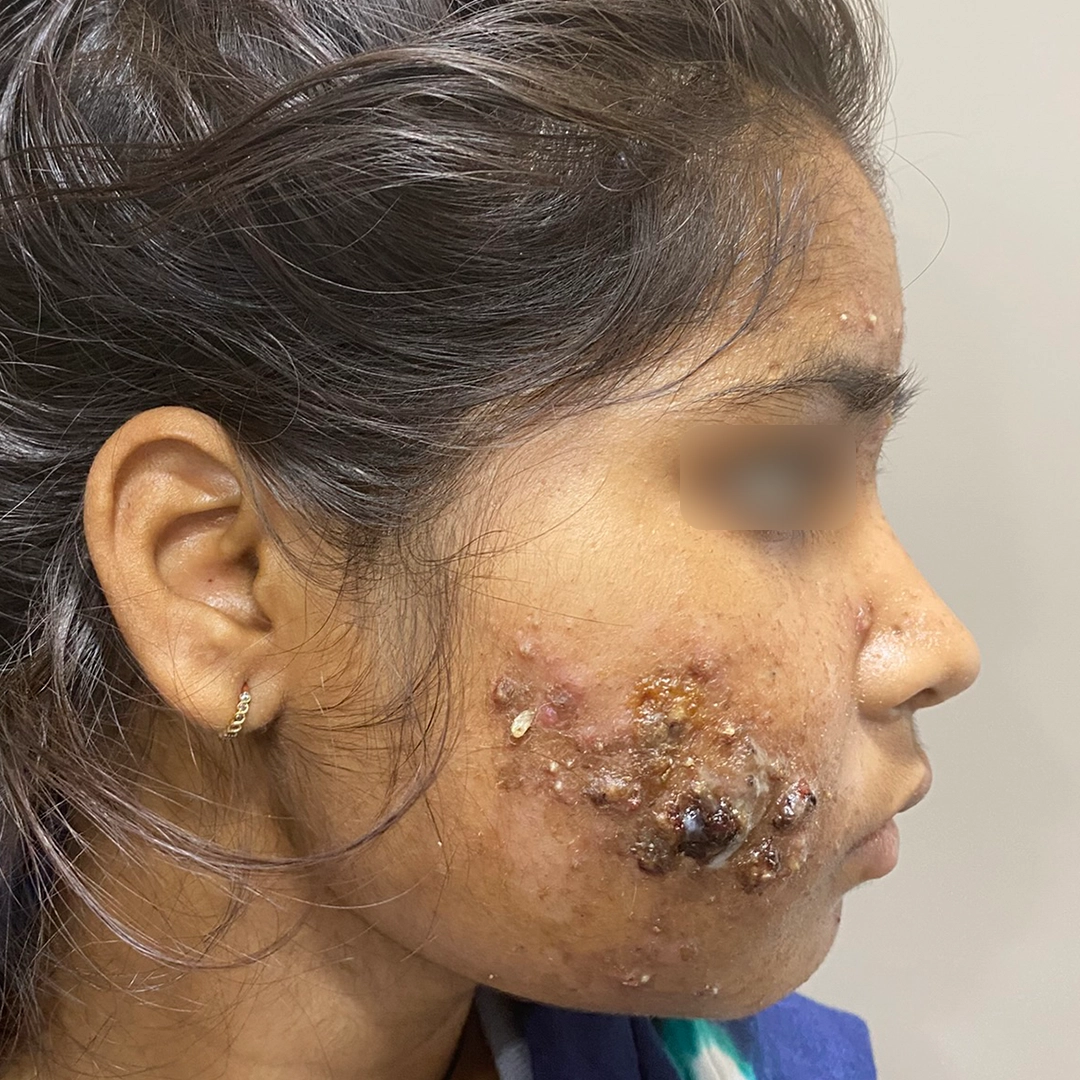
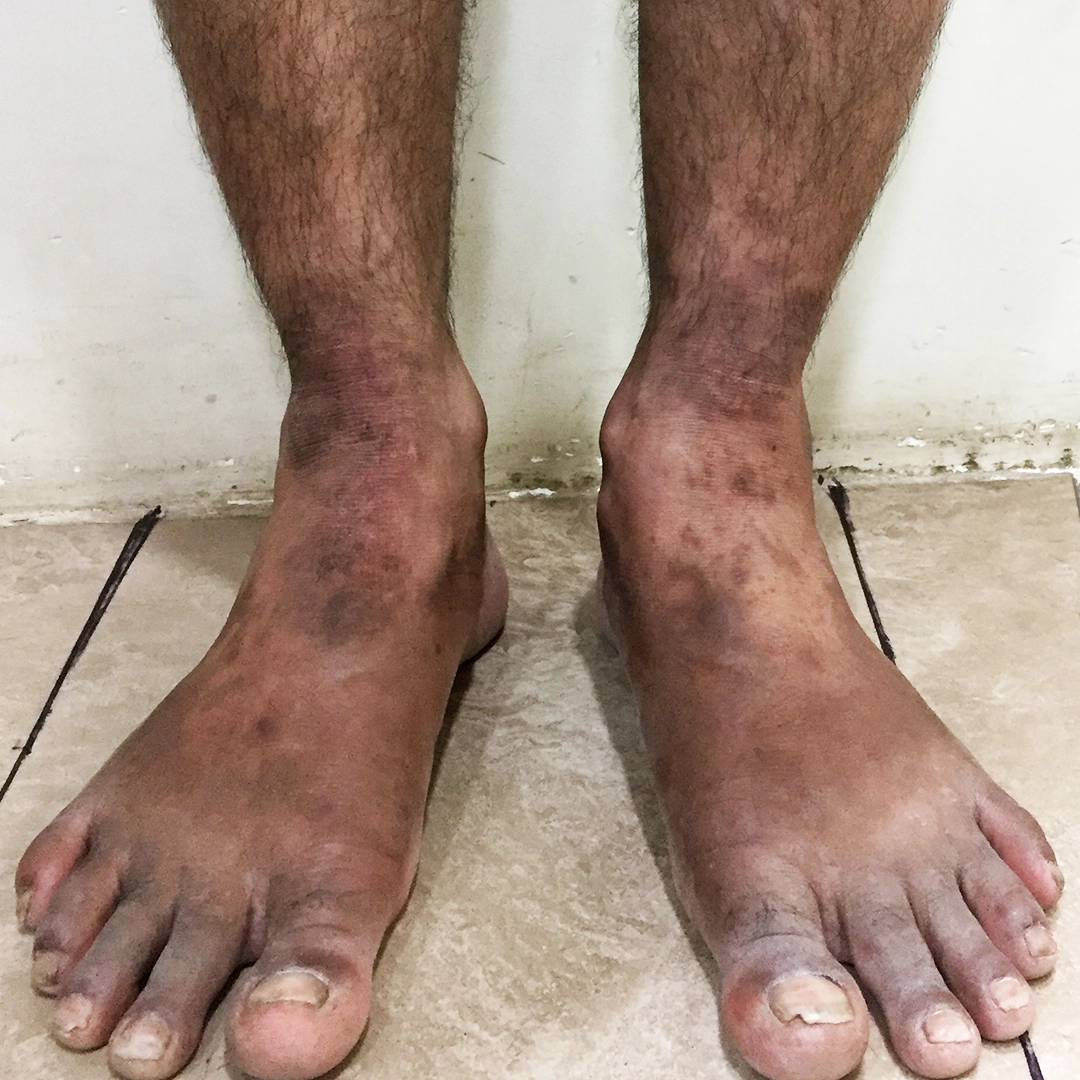
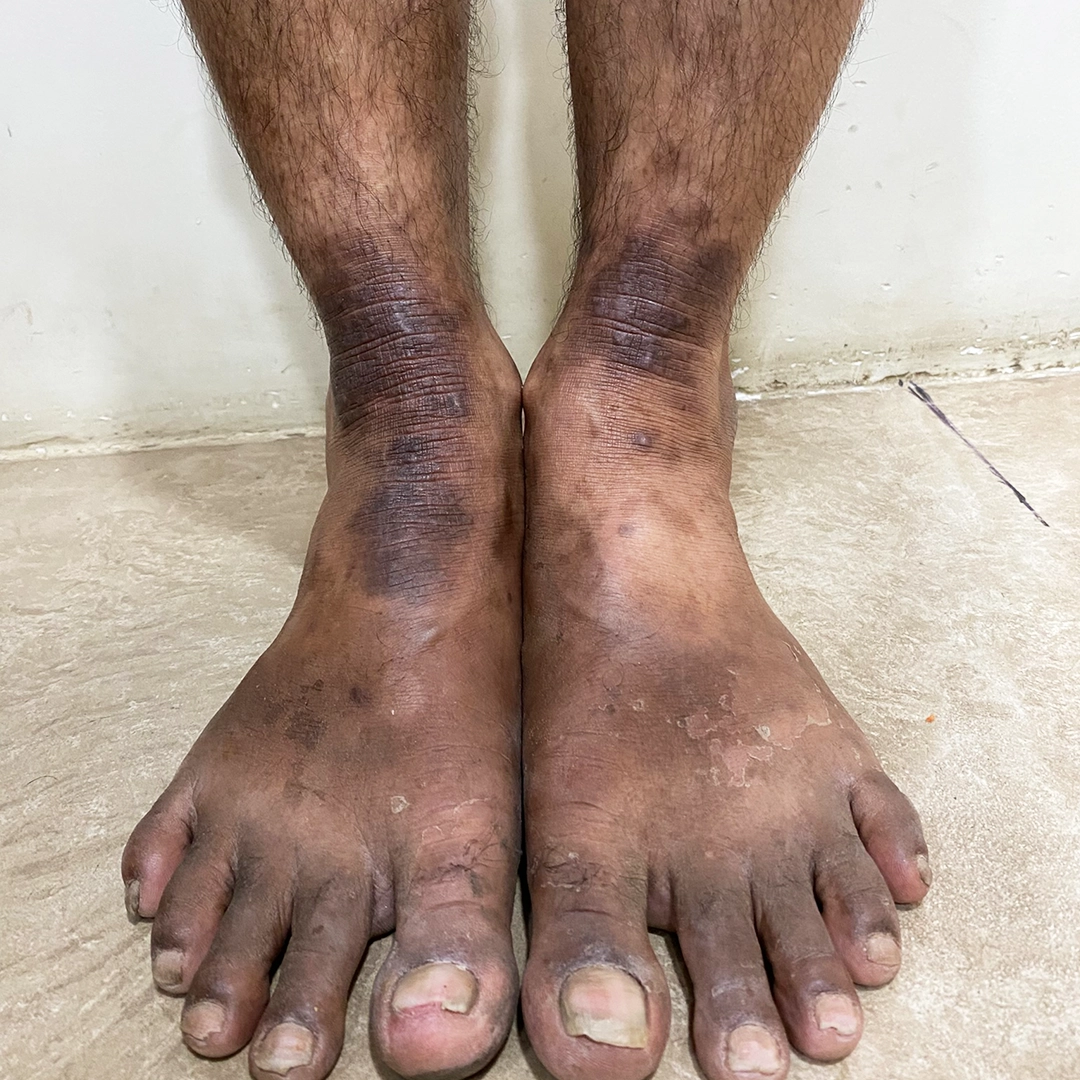
Before & After Results of Online Melasma Treatment
|
|


When Should You See a Dermatologist?
Consult a dermatologist when you notice:
- Persistent pigmentation that does not improve with regular care
- Dark patches that are increasing quickly
- Pigmentation that becomes worse after sunlight or heat exposure
- Patches returning again and again after stopping creams
- Irritation, redness, burning, or acne after using fairness or steroid-mixed creams
- Pigmentation during pregnancy or after hormonal medicines
At NeoDermatologist, you can consult Dr. Ruchir Shah or Dr. Karma Patel online from home. For personalized guidance, you can visit the Melasma Treatment Online page and start with a photo-based consultation.
Explore Our Other Online Dermatology Consultation Services
Looking for treatment for a different skin or hair concern? Explore our expert online dermatology consultation services, including Hair Loss Treatment, General Skin Consultation, Inner Parts Itching Treatment, Online Vitiligo (White Patches) Treatment, Psoriasis Treatment, Scabies Treatment, Urticaria (Hives) Treatment, and Ringworm Treatment. Choose the service that best matches your condition and receive personalized care from experienced dermatologists - all from the comfort of your home.
Conclusion
Melasma and other forms of facial pigmentation can feel discouraging, especially when home remedies don't seem to make a difference. But understanding the real melasma causes - from hormones and sun exposure to genetics and certain medications - makes it much easier to choose the right treatment and avoid the triggers that keep bringing pigmentation back. If you're dealing with persistent or worsening dark patches, don't wait it out. A qualified dermatologist can accurately diagnose the cause and guide you toward a treatment plan that actually works for your skin.
Ready to get answers about your skin? Book a free online dermatologist consultation today and use code FPCND100 to get started.
M.B.,F.M.D.C. | Registration No.: G-53014
A dermatologist specializing in online consultations for skin, hair, and nail concerns. Offers expert care for acne, pigmentation, eczema, scabies, ringworm, scalp infections, dandruff, psoriasis, vitiligo, hives, and hair loss, providing effective, personalized treatment solutions from the comfort of home.






Comments
kalyani kukadiya
I’ve noticed that my pigmentation gets darker after spending more time in the sun, especially around my cheeks. This article helped me understand melasma better. Does melasma usually come back even after treatment if sun protection is not followed properly?
vipul mishra
“I found this blog really helpful because it explains melasma in a simple and practical way. The points about sun exposure and pigmentation causes were easy to understand, and the treatment guidance felt clear and trustworthy.”
Post a comment